

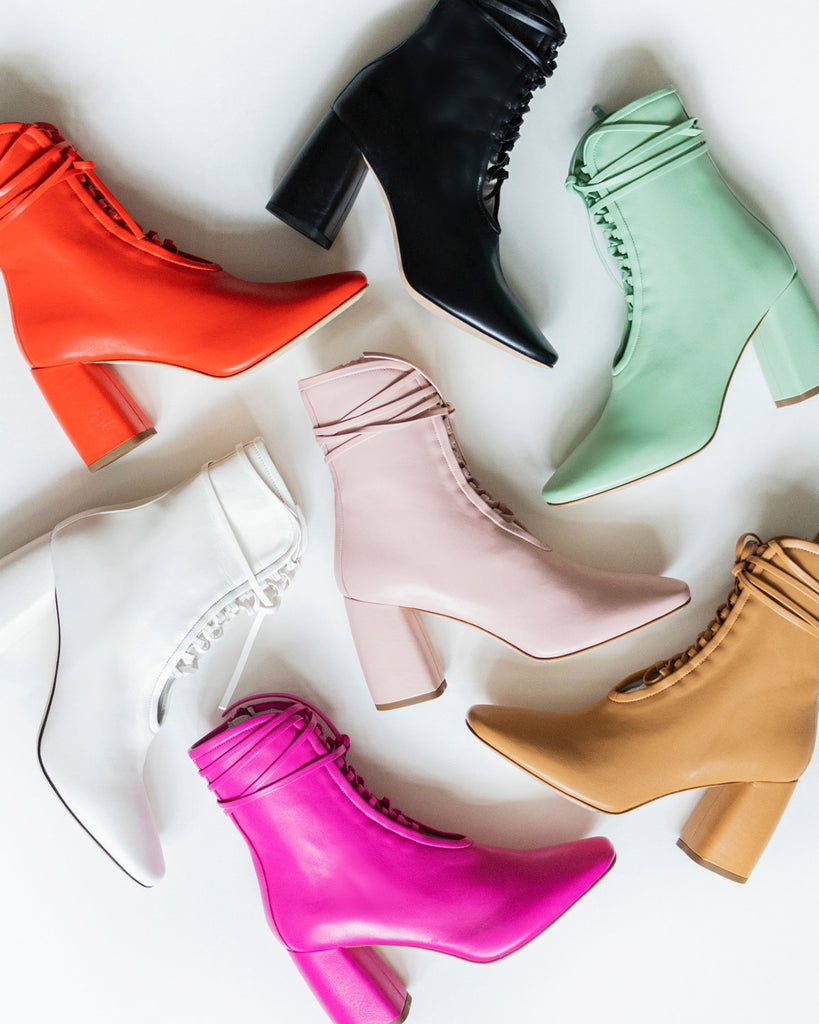


White bridal booties are a modern, comfortable alternative to traditional heels, and the category spans everything from 1.5-inch heels built for stability to 9 cm heels with a dressier profile for a long wedding day. They give you more structure, coverage, and support than a pump, which makes them especially smart for ceremonies that move from aisle to photos to dance floor without a shoe change.
You've probably already found the dress, or at least the feeling of it. Now you're at the shoe stage, which is where many brides make a quiet mistake. They buy for the first photo, not for the full day.
That's why I'm opinionated about white bridal booties. If you want elegance, polish, and real stability, they solve problems a classic pump often doesn't. They feel current, they handle more venues gracefully, and they can still look beautifully bridal rather than overly styled or costume-like.
A well-designed bootie also fits the way modern weddings unfold. You're not standing still in a studio portrait. You're walking across stone, climbing stairs, greeting people for hours, sitting for dinner, and dancing late. Your shoes need to carry the whole emotional arc of the day.
Your Modern Bridal Footwear Solution
The bride I picture here has impeccable taste and one very practical concern. She wants to look refined, but she also knows her day won't happen on a smooth showroom floor. There may be grass. There may be cobblestones. There may be a long walk from car to ceremony.
That's exactly where white bridal booties earn their place. They're stylish, yes, but more than that, they're supportive, stable, and versatile. They offer the day-to-night wearability many brides need, especially if the goal is one beautiful pair you can commit to from first look through final dance.

A modern choice with real bridal history
White bridal booties aren't some random micro-trend. Their roots go back to the 19th century, and Queen Victoria's 1840 wedding helped establish both white bridal dressing and the visual precedent for white side-elastic boots that later brides imitated, as noted in this history of wedding shoes and boots.
I love that tension. The silhouette feels fashion-aware, but the idea behind it is historically grounded. For bridal dressing, that matters. The best choices don't just look new. They feel meaningful.
Practical rule: If a bridal shoe feels like “you” and can survive the actual ground you'll walk on, it's usually the right direction.
Why this feels right for now
Modern brides are sharper shoppers. They don't want pain disguised as luxury. They want craftsmanship, comfort-first design, and something they can wear with confidence rather than manage with anxiety.
That's why white bridal booties work so well. They can feel romantic with a gown, architectural with a clean crepe dress, and striking with a city-hall look. They also sit beautifully inside the broader conversation about modern bridal shoes, especially for women who want elegance without carrying backup flats in a tote bag.
If your instinct says a pump feels too expected and a sandal feels too exposed, trust that instinct. A white bridal bootie often lands in the sweet spot.
Why Should You Choose a Bridal Bootie?
A bridal bootie solves three problems at once. It gives you height, it improves stability, and it makes your look feel intentional rather than generic.
That's why I often prefer it to a standard pump for weddings that last all day. You're getting more structure around the foot and ankle, which usually translates into better control as the hours pass.
It handles a real wedding day better
A wedding isn't one event. It's a series of movements, surfaces, temperatures, and emotional spikes. The shoe that looks lovely in the morning can feel unforgiving by dinner.
White bridal booties are part of a visible bridal trend across multiple wedding styles, and one guide highlights 16 wedding-boot looks while noting that the dominant current direction is the white high-heeled ankle boot in particular, which reflects demand for elevation with more structure for all-day wear in One Fab Day's wedding boot guide.
That tracks with what brides need. Structure matters. Coverage matters. A shoe that holds you properly is more useful than a delicate one that asks you to tiptoe through your own wedding.
They're stronger on difficult surfaces
If your venue includes any of the following, a bootie moves up the list very quickly:
- Grass lawns: Narrow heels can sink or wobble. A more secure shape usually behaves better.
- Cobblestones: Extra foot coverage helps you feel less precarious with every step.
- City sidewalks: A bootie looks polished while giving more confidence in motion.
- Cool-weather weddings: More coverage means more comfort without sacrificing style.
Most bridal content spends too much time telling you what looks pretty and not enough time telling you what works. That's why practical guidance around bridal boots matters so much. The shoe has to perform, not just photograph.
A bridal shoe should let you move naturally. If you're adjusting your gait to protect the shoe, the shoe is wrong.
They make the outfit look more current
A bootie changes the tone of the whole bridal look. It can sharpen a soft gown, modernize lace, and give minimalist dresses more character. That's especially useful if your style leans clean, urban, structured, or subtly dramatic.
I also think white bridal booties do something emotionally important. They signal confidence. They say you chose your look with intention, not by default.
If you want bridal style with a little backbone, this is the category to take seriously.
Your Guide to Choosing the Perfect Pair
You step out of the car, your dress clears the door, and the first thing your shoes meet is uneven stone. That is the moment your bridal booties prove whether they were chosen well.
A beautiful pair has to do more than photograph nicely. It has to carry you from the aisle to the last dance without a backup plan in your tote.

Choose the heel based on your actual wedding day
Start with terrain, then work backward to heel height. Brides often shop by silhouette first and regret it later.
Here is the filter I use:
| Wedding setting | What works | Skip this |
|---|---|---|
| Garden, gravel, vineyard | Block or thicker heel, moderate height, firm ankle hold | Thin stilettos and unstable pitch |
| Historic streets, courtyards, mixed pavement | Secure shaft, cushioned footbed, heel with good surface contact | Slouchy fits and overly high heels |
| Ballroom, hotel, polished indoor floors | Sleeker heel shapes are fine if the shoe feels balanced | Height chosen only for drama |
| Ceremony to after-party, one pair all day | Mid-height heel, soft lining, padding you can actually feel | Shoes that feel good for ten minutes only |
Heel height matters. Heel pitch matters more. A well-balanced bootie lets your weight sit where it should, so you do not spend the day gripping with your toes or shortening your stride.
If long-wear comfort is your standard, read wedding shoes that don't hurt before you buy.
Choose material by silhouette, season, and wear time
Material decides how the bootie moves, how it reflects light, and how formal it feels under a gown. It also decides how your feet feel six hours in.
My recommendations are simple:
- Smooth leather looks clean and expensive. Choose it with crepe, mikado, satin, or sharp tailoring.
- Cutwork or woven leather adds air and texture. It suits spring weddings and dresses that need softness at the hem.
- Lace or embellished finishes work only if they connect clearly to the gown. Random decoration looks costume-like fast.
- Mesh panels give a modern line and lighter feel. They are strong for city weddings and sleek, minimal dresses.
Do not chase a perfect match. Build a controlled relationship between the dress and the shoe. If your gown carries heavy texture, a quieter bootie usually gives the whole look more polish.
Get the proportions right before you fall for the details
A bridal bootie can be exquisite and still be wrong for your dress.
Pay attention to three design points: toe shape, shaft height, and how close the bootie sits to the ankle. Pointed and almond toes usually read longest and cleanest under bridal hems. A shaft that cuts too high can make the leg look shorter, especially with tea-length dresses or fitted silhouettes. Excess bulk around the ankle adds visual weight where you want precision.
This matters even more if you are adjusting other parts of the gown. If you are refining sleeves or balance in the overall silhouette, the merrill hotel wedding dress tips are a useful reference.
My buying filter
Before you commit, ask yourself:
- Can I walk naturally in these on my real venue surfaces?
- Does the material make sense with my gown's texture and the season?
- Does the shape look refined under the hem, not bulky or heavy?
- Would I still choose this pair at 10 p.m., not just during the fitting?
If one answer is no, keep shopping. Your wedding shoes should support the day you have, not the fantasy version of it.
How to Style White Bridal Booties
The moment that catches brides off guard is not the aisle. It is the hour when the hem lifts, the photos move outdoors, the floor changes from stone to wood, and your shoes suddenly have to do real work while still looking impeccable. White bridal booties handle that job beautifully, but only if you style them with intention.
A good bridal bootie should look resolved from every angle. It needs to make sense with the dress, the venue, and the way you plan to move through the day. That is the true test.

A-line and ball gown
Full skirts give you freedom. The bootie appears in flashes, so every glimpse should feel sharp and deliberate rather than busy.
Choose:
- Pointed or almond-shaped toes that keep the line clean under volume
- Slim shafts that disappear neatly beneath the hem
- Restrained detailing unless the gown itself is very plain
Texture balance matters here. If the skirt carries lace, appliqué, or heavy structure, keep the bootie quieter so the whole look feels expensive. If you are refining the gown itself, the merrill hotel wedding dress tips are useful for seeing how one adjustment can change the balance of the entire silhouette.
Mermaid, sheath, and clean crepe gowns
These dresses expose more of the shoe, so discipline matters. Every line is visible. Every proportion counts.
Match the bootie's undertone to the gown fabric, not the label on the box. Bright white reads crisp and architectural. Ivory feels softer and more blended. You do not need an exact color copy. You need harmony.
For sleek gowns, I recommend:
- A higher vamp for a longer, cleaner visual line
- A close ankle fit that looks custom, not loose
- A polished finish instead of ornate embellishment
If you want a reference point for that level of refinement, study the shine and shape of these white satin pumps for bridal styling. They help you judge how formal, glossy, or minimal your bootie should feel.
Here's a visual reference that can help you think through the silhouette in motion.
Tea-length dresses and jumpsuits
White bridal booties earn their place here. With a shorter hem or a structured leg, the shoe is part of the outfit, not a hidden accessory.
A pointed toe keeps a tea-length dress from looking overly sweet. A sleek bootie under a jumpsuit gives the whole look backbone. If you are getting married on city pavement, in a gallery, or at a winter reception where you will stay on your feet for hours, this pairing often makes more sense than a delicate sandal. You get structure, coverage, and confidence without needing backup flats in your bag.
If the shoe will be seen all day, make sure it deserves the attention.
Bohemian and winter bridal looks
Booties make immediate sense with lace, velvet, jacquard, crepe, and other fabrics that carry visual depth. Coverage looks intentional in cooler weather. It also keeps the styling coherent in venues with grass, gravel, old stone, or uneven paths.
Use texture carefully. Soft leather, subtle embroidery, and matte satin can all work beautifully. Keep the shape refined so the look stays bridal and luxurious, not theatrical.
The Daniella Shevel Comfort-First Design
You step out of the car, cross uneven stone, stand through the ceremony, turn for photos, then stay on your feet deep into the reception. Your booties have to handle all of it. If they only look good in the mirror, they have failed their job.
I design footwear from one clear belief: luxury should feel as good at midnight as it does at the first fitting. For a bride, comfort is not a bonus feature. It decides how you move, how long you last on the dance floor, and whether you enjoy the day without hiding a pair of backup flats under the table.

What we look at first
The first question is simple. Does the shoe support the foot through real movement?
That comes down to a few design decisions:
- Heel pitch: The angle should keep your weight balanced instead of forcing it into the ball of the foot.
- Cushion placement: Padding needs to sit exactly where pressure builds during standing, walking, and dancing.
- Upper construction: The bootie should secure the foot cleanly, without pinching, rubbing, or collapsing after a few hours.
- Lining and material response: Soft, well-made materials adapt to the foot over time. Stiff construction usually fights it.
Small-batch production matters here because tiny adjustments matter. A few millimeters in pitch, collar height, shaft opening, or toe shape can change a bridal bootie from beautiful but exhausting to wearable all day.
Why fit is more than size
Many brides are not in the wrong size. They are in the wrong shape.
I see this constantly with narrow heels, fuller forefeet, bunions, and sensitive pressure points. The problem is often the last, the cut of the upper, or the internal structure. It is rarely your foot "failing" the shoe. A good bridal bootie respects the foot you have and supports it properly.
Daniella Shevel white booties include bridal-ready silhouettes such as the Isabella Woven Bootie in white, designed with day-to-night wear in mind. That matters because wedding shoes do not live in a vacuum. They need to perform through hours of standing, turning, greeting, and dancing, then still feel refined enough to wear again after the wedding.
A beautiful shoe should fit your life and your body. You should never spend your wedding day managing pain.
What comfort-first really means
Comfort-first design is engineering, not marketing.
It means:
- Memory foam placed with purpose, where pressure lands
- Close, flexible construction so the upper moves with the foot instead of fighting it
- Balanced heel geometry that stays stable over hours of wear
- Versatile design that still feels relevant with tailoring, denim, or evening pieces after the wedding
I have spent time in factories watching makers adjust lines, soften leather, and refine fit. Those choices are quiet, but you feel them immediately. A shaft opening that hits at the right point flatters the ankle and avoids rubbing. A softened leather upper reduces break-in stress. A well-balanced heel keeps your posture cleaner when fatigue sets in.
That is the standard I want for a bridal bootie. It should carry you from cobblestones to the dance floor with no costume feeling, no panic, and no backup plan stuffed in your bag.
If your pair includes suede, read this guide on how to take care of suede shoes before the wedding, not after a stain appears.
There is also a simple durability argument. Luxury makes sense when the shoe earns a second life. A better-made bootie is easier to keep, easier to rewear, and far less likely to become a one-day purchase.
Caring For Your Investment Piece
White bridal booties shouldn't be treated like single-use props. If you buy well, they can live a long second life after the wedding with tailoring, winter whites, cropped trousers, or evening dressing.
That's my favorite kind of luxury purchase. Emotional, yes. But also durable enough to stay relevant.
Before the wedding
Don't save your first wear for the wedding morning. That's avoidable stress.
Do this instead:
- Wear them indoors: Short sessions at home help you notice friction points early.
- Protect the surface: Use a care product suited to the material before the event.
- Check the sole grip: Especially important if your venue includes stone, outdoor paths, or polished floors.
- Pack thoughtfully for fittings: Bring the exact pair when your hem is being finalized.
If your pair includes suede panels or accents, this guide on taking care of suede shoes is useful because care starts before the stain, not after.
For destination weddings and travel
Booties travel better than many delicate sandals, but they still need protection. Keep the shape supported and the finish shielded from friction.
My usual travel advice:
- Use dust bags: They prevent rubbing against hardware and packed accessories.
- Stuff the toe lightly: This helps the pair keep its shape in transit.
- Don't crush the shaft: Pack with intention, especially for softer constructions.
A well-made bootie is also one of the most practical luxury travel shoes you can own. That's part of its appeal beyond the wedding itself.
After the celebration
Clean them promptly. Not aggressively. Promptly.
If there's dust, surface soil, or city residue, address it before it settles in. Store the pair in a cool, dry place, ideally supported so the silhouette stays clean. Bridal shoes often age badly because they're boxed in a rush with stains still on them.
For brides who care about circular fashion, I strongly believe in a buy-less-buy-better mindset. Keep and rewear what still serves you. If a pair has reached the end of its life, responsible donation or recycling is the elegant final step. That's what sustainable luxury looks like in practice. Not perfection. Stewardship.
Your Bridal Bootie FAQ and Shopping Checklist
Some questions deserve a blunt answer.
Can you wear white bridal booties for a summer wedding
Yes, if the material and silhouette are light enough. A refined cut, breathable construction, or peep-toe shape can still feel seasonally right. Heavy-looking shafts in dense materials are where summer styling starts to struggle.
Are white bridal booties good for outdoor weddings
Often, yes. In fact, this is one of their biggest advantages. Most online inspiration focuses on aesthetics and skips practical advice about performance on grass, cobblestones, or sand, which is exactly why utility-first guidance matters, as noted in this overview of the content gap around white lace bridal booties.
Should your booties match the dress exactly
No. They should coordinate in undertone, texture, and formality. Exact matching is less important than a harmonious relationship between shoe and gown.
When should you buy them
Buy early enough to wear them at fittings and test them at home. You want time for thoughtful decisions, not panic purchases.
Are booties too bold for a traditional wedding
Not if the shape is elegant. A clean white or ivory bootie can feel every bit as bridal as a pump. Sometimes more so, because the choice looks deliberate.
Shopping checklist
Take this with you mentally when you shop:
- Venue reality: Grass, gravel, cobblestones, stairs, and sidewalks should influence the heel.
- Hour count: If you'll wear them through an extended celebration, prioritize secure fit and cushioning.
- Dress visibility: The more the shoe shows, the more shape and undertone matter.
- Undertone match: Compare against your gown fabric, not the marketing name.
- Material logic: Choose a finish that supports the season and the mood of the dress.
- Afterlife potential: Ask whether you'd wear them again. Investment shoes should earn repeat wear.
- Walk test: If your stride changes, the pair isn't right.
A beautiful bridal shoe should support your posture, your pace, and your mood. It shouldn't ask for sacrifice.
If you're ready to find a pair that feels polished enough for the aisle and wearable enough for the full celebration, explore Daniella Shevel for handcrafted bridal and occasion styles designed around day-to-night comfort, thoughtful fit, and no-backup-flats confidence.
Written by Daniella Shevel, Designer & Founder.