

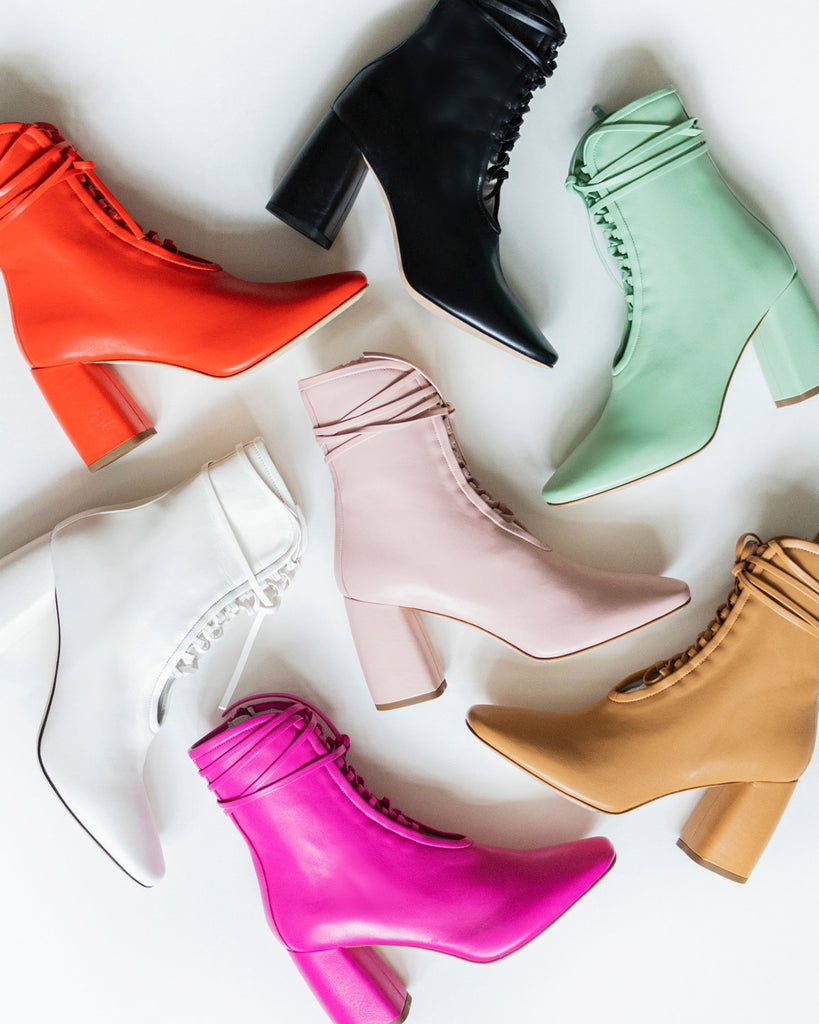


The dress is handled. The venue is booked. The playlist is almost done. Then bridal boots become the decision that suddenly feels bigger than it should, because you already know one thing. If your feet hurt, the whole day changes.
The good news is simple. Bridal boots can be elegant, supportive, and wearable from ceremony to last dance. The right pair comes down to fit engineering, material choice, and the shape of the boot, not just whether it looks pretty in a product photo.
Your Wedding Day Shouldn't End in Painful Feet
A bride can spend months choosing a gown and still leave her shoes until the end. That's usually when the compromise starts. She tells herself the shoes only need to look good for the aisle, a few portraits, and dinner.
But weddings don't happen in still images. You're walking across stone, grass, wood floors, sidewalks, hotel corridors, and dance floors. You're standing for hugs, posing for photos, and turning quickly every time someone calls your name.

That's why bridal boots make so much sense for so many women. They offer coverage, support, and a stronger feeling underfoot than many delicate sandals or pumps. They also give you more personality. A bride who wants structure, polish, and day-to-night versatility often feels more like herself in a boot than in a fragile heel.
I've always believed luxury should never ask you to suffer for it. A wedding is not the day to accept pinching, sliding, or the silent plan of changing into something else later. If comfort matters to you, start with that instead of apologizing for it.
What a comfortable wedding actually requires
A wedding shoe has to do more than match a dress. It has to:
- Hold steady: You need a shape that feels secure when you pivot, walk, and stand for hours.
- Respect your foot shape: If you have bunions, a narrow heel, a wider forefoot, or sensitive arches, the wrong boot will announce itself quickly.
- Work with the venue: Garden ceremonies, city halls, winter weddings, and barn receptions all ask for different things.
If you're still deciding between a boot and a softer house option for late-night comfort, this guide to Australian bride slipper styles is a useful contrast. Slippers can be lovely for getting ready or the after-party. They just solve a different problem than bridal boots do.
For brides who already know painful shoes are out of the question, I'd start with wedding shoes that don't hurt. It frames the question the right way. Not what looks bridal first, but what lets you stay present all day.
Practical rule: If you're already planning a backup pair, your first pair probably isn't the right pair.
The Modern Evolution of Bridal Boots
Bridal boots aren't a novelty. They sit inside a long tradition of women choosing footwear that balances beauty with the practicalities of movement.
Queen Victoria's 1840 wedding to Prince Albert marked a significant moment in bridal footwear history, popularizing white satin shoes and elastic-sided boots. Her choice was heavily publicized after the recent invention of photography, and Victorian brides began to emulate her practical white boots, which had evolved from Regency-era half boots used for active pursuits, as noted in this history of bridal shoes.
That history matters because it corrects a modern myth. Brides did not always wear the flimsiest, least practical shoe available. Bridal footwear has long reflected status, taste, and changing ideas of femininity, but it also responded to movement, weather, and social life.
Why boots still feel modern
A bridal boot works today for the same reason it worked then. It gives form and presence. It can feel polished without feeling precious.
For a modern bride, that translates beautifully across different aesthetics:
- City bridal dressing: Sleek ankle boots with a sharp toe or a refined mesh panel feel architectural and clean.
- Romantic weddings: Lace-up or softly structured boots bring texture under silk, crepe, or tulle.
- Outdoor celebrations: A boot naturally feels more grounded on uneven terrain than a delicate stiletto sandal.
There's also something emotionally right about boots for women who don't want to disappear into “bridal” styling that doesn't feel like them. A boot has a point of view. It says you chose the look, rather than being dressed by tradition.
Tradition and self-expression can coexist
Bridal style has expanded. That's a good thing. Some brides want white satin references and vintage softness. Others want a sharp-edged boot under a minimalist column gown. Both belong.
What matters is that the boot supports the story you want to tell. If your dress is simple, a bridal boot can add character. If your dress is ornate, a more restrained boot can quiet the look and make it feel modern.
A useful visual reference for that balance is modern bridal shoes. The strongest bridal wardrobes usually don't choose between timeless and personal. They hold both.
Bridal boots don't reject tradition. They edit it.
Finding Your Perfect Bridal Boot Style
You step into your dress fitting, the hem is perfect, the silhouette is right, and then the shoes change the whole line. That is usually the moment bridal boot style becomes much easier to choose. Start with what the dress needs from the boot, then check whether your venue and your feet agree.
A bridal boot has two jobs. It has to look right in still photos and in motion. It also has to support several hours of standing, walking, greeting, dancing, and recovering gracefully from a long day. Style matters, but the shape only works if the engineering under it suits your foot.
Bridal Boot Style and Wedding Venue Matchmaker
| Boot Style | Ideal Wedding Scenario | Styling Notes |
|---|---|---|
| Ankle bootie | City hall wedding, rooftop reception, minimalist ceremony | Clean lines work well under crepe, satin, or tea-length dresses |
| Western-inspired boot | Ranch, desert, garden, or rustic celebration | Pairs well with fuller skirts, shorter hems, and relaxed tailoring |
| Lace-up boot | Vintage-inspired wedding, winter ceremony, romantic editorial look | Adds texture and works beautifully with lace and softer silhouettes |
| Mesh bootie | Fashion-forward city elopement or evening event | Light visual feel with more structure than a sandal |
| Low-heel leather boot | Outdoor ceremony, all-day hosting, mixed indoor-outdoor venue | Practical, polished, and easier for long wear |
The easiest place to start is shaft height.
Ankle booties usually give the most flexibility. They sit neatly under a long hem, they do not interrupt the line of a column dress, and they are easier to fit around the ankle than taller boots. For brides with wider feet or bunions, this shape also gives more room to focus on toe-box fit without adding calf-fit problems.
Western-inspired boots work best when they are chosen for line, not costume. A refined toe, a wearable heel, and controlled stitching keep them grounded. They suit outdoor weddings especially well because the broader base and covered foot handle gravel, grass, and uneven surfaces better than a delicate sandal.
Lace-up boots bring more visual detail, so they need a dress that can hold that conversation. They are beautiful with lace, textured silk, or winter fabrics. They can also help with fit adjustment through the instep and ankle, which matters for brides whose feet swell through the day.
The mesh bootie earns its place for a different reason. It provides airflow and visual lightness while holding the foot more securely than an open shoe. Brides who want that cleaner, modern direction often start by comparing a few bridal shoe styles for weddings, then narrow down to a boot once they see how much support they want.
Low-heel leather boots are often the smartest choice for long wear. I recommend them often for garden weddings, mixed indoor-outdoor venues, and any bride who already knows she does not enjoy balancing on a high heel for hours. A lower heel changes posture less, usually reduces forefoot pressure, and gives you more stability on turns, stairs, and dance floors.
Here is the practical filter I use:
- Choose ankle booties if your dress is sleek and you want the boot to stay quiet under the hem.
- Choose mesh if you want coverage, airflow, and a lighter visual finish.
- Choose low heels if you will be walking on grass, stone, wood, or any surface that shifts underfoot.
- Choose lace-up shapes if you need adjustability through the instep or want a softer, more romantic finish.
- Choose Western lines if the venue is outdoors and the boot is meant to be seen.
One more point gets missed far too often. Toe shape is not only aesthetic. A sharp toe can look stunning, but it also changes how your forefoot sits inside the boot. Brides with bunions, wider feet, or sensitive joints usually do better with a toe that looks refined from the outside but has enough interior width where the foot needs it. That balance is a design decision.
Before you choose, stand in the boots with your dress hem clipped to wedding length. Walk, turn, sit, and rise. Check whether the boot disappears when you want it to and shows up beautifully when you want it seen. That is how you find the right style.
Why Is Comfort The New Luxury In Bridal Footwear
You step into your wedding boots at noon for photos. Six hours later, you are still greeting guests, standing through dinner, walking across stone or grass, and heading to the dance floor. In that setting, comfort stops being a nice extra. It becomes part of the quality standard.
Luxury bridal footwear used to be judged almost entirely by finish, shape, and visual impact. Brides are more discerning now, and rightly so. A beautifully made boot should carry you through a full wedding day without burning under the ball of the foot, rubbing at the ankle, or forcing you to sit out the last hour of your own celebration.
That shift matters even more for brides with fit complications that standard occasion shoes often ignore. Bunions, wide forefeet, narrow heels, high arches, and pressure-sensitive joints are common realities in bridal fittings. A comfort-led boot respects that anatomy from the start instead of asking the foot to adapt to a rigid fashion shape. As one overview of wedding boots and fit challenges notes, foot deformities are widely reported among women in the US and EU, yet bridal footwear still tends to rely on standard sizing and limited fit adjustments.
Why so many brides settle for the wrong pair
Brides are often taught to read discomfort as a personal fit problem. Feet get labeled difficult when the boot was designed for a narrower use case than a real wedding day demands.
I see this constantly with formal footwear that feels acceptable in a showroom and fails after an hour of actual wear. Bridal boots make that mismatch more obvious because they hold the foot, instep, and ankle in a more structured way. If the last is off, the shaft placement is wrong, or the toe box narrows too early, pressure builds fast and stays there.
A polished exterior can hide all of that.
What comfort-first design actually means
Comfort-first design starts long before padding is added. It shows up in the pattern, the last, the way the heel sits under the body, and the amount of space given to the forefoot where many women need it most.
That is why I care less about whether a boot is described as soft and more about whether it was engineered well. Soft leather alone will not save a boot with poor balance or a squeezed toe shape. For brides comparing options, this guide to comfortable wedding shoes gives a useful framework for what to check.
The practical markers are easy to spot once you know them:
- An upper with controlled give: It should adapt to the foot without collapsing or cutting in at flex points.
- Cushioning placed where impact happens: Under the heel and forefoot, not just a thin layer that feels plush in a fitting.
- A toe shape with real internal width: The outside can still look elegant while the inside allows the toes to sit naturally.
- Heel placement that keeps your weight centered: Good balance reduces the constant push into the front of the boot.
- An interior finish that limits friction: Smooth linings and thoughtful seams matter more than brides expect.
This is the part many brands miss. Day-to-night wearability is not luck, and it is not a concession you make for sensible shoes. It is a design choice.
If a bridal boot only works for the first twenty minutes, it was never truly luxurious.
The Anatomy of a Comfortable Bridal Boot
A bridal boot earns its comfort in the pattern room, not during the last-minute add-ons. I have seen beautiful pairs fail because the visible design was strong and the internal engineering was careless. Brides usually notice that difference about an hour into the day, when the forefoot starts burning, the heel feels unstable, or pressure builds over a bunion that seemed manageable in a short fitting.

Start with the upper
The upper material controls how the boot wraps the foot and how forgiving it stays after several hours of wear. Soft nappa, stretch inserts, and well-placed mesh usually perform better than stiff materials that look polished on the shelf but resist the foot at flex points.
This matters even more for brides with wide feet or bunions. A refined silhouette can still have usable space where the forefoot needs it. The best uppers hold the line of the design while allowing a little adaptation across the ball of the foot, rather than pressing straight back into sensitive areas.
Craftsmanship matters here because pattern cutting decides where tension sits. Good makers shape the upper so it supports the foot without creating hard pressure lines over joints, seams, or the top of the toes.
Then look inside the boot
Inside the boot, small decisions decide whether you last through dinner and dancing or start planning your shoe change before the ceremony ends.
A strong bridal boot usually includes:
- A breathable lining: It helps limit heat and friction during long wear.
- Targeted cushioning: Padding should sit under the heel and forefoot, where impact happens.
- Built-in arch support: Support works best when it is part of the construction, not a flimsy insert dropped in after the fact.
- A smooth interior finish: Rough seams and bulky edge treatments can become a problem fast, especially on feet that are already sensitive.
Softness alone is not enough. I always tell brides to pay attention to pressure distribution. A boot can feel plush in a sitting-room try-on and still tire you out if your weight keeps sliding forward. If you want a clearer explanation of how that works in higher heels, this guide to high heel arch support breaks it down well.
Heel design changes the wear experience
Heel height gets all the attention, but pitch and placement usually matter more. A well-balanced heel keeps your weight centered. A poorly set heel pushes you into the forefoot, shortens your stride, and makes the boot feel harder to wear than the measurement on paper suggests.
I ask brides to test three things as they walk:
- Does your weight stay centered, or do you feel tipped forward?
- Does the heel feel planted when you turn?
- Can you walk normally, without gripping or taking smaller steps?
A narrow stiletto can work if the geometry is right. A lower heel can still feel tiring if the pitch is wrong. That trade-off catches many brides off guard.
The outsole and shaft finish the job
The outsole affects confidence more than people expect. If it is too slippery, too thin, or too stiff for your venue, you will start compensating in your walk. That creates fatigue in the calves, toes, and lower back.
The shaft and ankle fit matter too. The boot should hold the foot in place without cutting into the ankle or collapsing around it. For narrow heels, that close hold can reduce slipping. For wider feet, it helps the foot stay stable without needing to size up and lose control elsewhere.
Some brands address this well with features such as a three-part memory foam cushioning system and glove-fit construction in handcrafted styles made in Italy, Portugal, and Brazil. Those details matter because they affect how pressure is absorbed, how the upper moves with the foot, and whether the boot stays comfortable long after the photos are done.
Design note: The best bridal boots stop asking for your attention. No rubbing. No gripping. No constant adjustment.
Use that as your filter. Check the build before the styling, and the styling before the fantasy version of how long you think you can tolerate discomfort. For brides drawn to airy structure, the ROMI mesh bootie is a useful example of how to assess shape, support, and flexibility in a dressier design.
Solving Common Fit Challenges For Your Wedding Day
You step into your dress, the photos begin, and within an hour you are already shifting your weight to escape a pressure point. I never want a bride to accept that as normal. Fit problems in bridal boots are usually predictable, and they can be handled if you assess the boot like a piece of engineering, not just a pretty finish.
The first mistake is sizing up without a plan. Extra length can create heel slip, toe gripping, and rubbing at the ankle. In a boot, one loose area rarely stays isolated. It changes how the whole foot moves.

For bunions and sensitive forefeet
Bunions need space in the right place. A wide-looking toe is not enough if the internal shape still tapers sharply over the joint. I look first at usable width across the forefoot, then at the upper material, then at seam placement. If a seam lands directly over a pressure point, the day will feel longer with every hour.
Look for:
- A forgiving forefoot: Stretch nappa, soft leather, or mesh usually adapts better than rigid patent finishes.
- A stable platform under the ball of the foot: Sensitive feet feel wobble faster.
- Clean seam placement: Pressure from a badly placed seam can matter more than heel height.
Brides with wide feet often run into the same issue. The goal is not a boot that feels loose. The goal is a boot that gives the forefoot room while still holding the heel and ankle securely.
For narrow feet and heel slip
Narrow feet need containment. If the heel lifts, many brides start gripping with their toes without even noticing. By the end of the night, that shows up as arch fatigue, sore toenails, or cramping through the forefoot.
A closer ankle fit usually helps more than just adding padding at the heel. So does a boot upper that follows the foot instead of floating around it. Lacing can help fine-tune tension, but the pattern of the boot still matters. If the heel shape is too broad for your foot, no styling trick will fully correct it.
For high arches and long wear
High arches usually need structure, not just softness. A plush insole can feel lovely for ten minutes and then flatten out once the wedding day turns into hours of standing, greeting, dancing, and walking over mixed surfaces.
This is a good point to watch a fitting-focused video before you buy:
A stable heel, proper arch support, and a footbed that keeps its shape over time make a real difference here. This is also where I remind brides that comfort is designed. It does not appear by luck, and it is not the opposite of elegance.
For calf fit and circulation
Calf fit gets overlooked until the boot is on, zipped, and suddenly too tight to ignore. Guidance on bridal boot calf fit and stretching notes that standard boots are often built around a 15 to 16 inch calf circumference, and that professional stretching may add about 0.5 to 1 inch. That can be enough to change whether a tall boot feels wearable for an 8+ hour wedding day.
A shaft that is too tight does more than leave a mark. It can restrict movement, create pressure when you sit, and make the boot feel unstable as the day goes on. A shaft that is too loose has its own problems. It can collapse, rub, and throw off the line under a dress.
If you are buying boots for a fall or winter wedding, plan for aftercare too. Light leather and satin pick up dirt quickly, and arranging dry cleaning or specialist care after the event helps protect the finish.
Your feet are not difficult. The boot is either shaped for your anatomy or it is not.
Try bridal boots the way you will wear them:
- Walk, then stand still: Some boots only reveal pressure once you stop moving.
- Turn and pivot: Reception movement is rarely straight-line walking.
- Sit and stand several times: Shaft pressure often appears here first.
- Test with your real hosiery, socks, or bare-leg plan: Small changes affect fit more than brides expect.
The right fit feels quiet. You are not negotiating with it all day.
For brides who want a lower heel because they know they will be on their feet for hours, CLEO is a useful silhouette to assess. For brides who need more give through the forefoot, ROMI offers a lighter, more flexible option.
Beyond 'I Do' Styling and Caring For Your Investment
The morning after the wedding, your boots should still feel like something you want to wear, not a beautiful one-day decision that now lives in a box. That second life usually comes down to design discipline. Clean lines, thoughtful materials, and a shape that supports the foot well enough for long wear tend to stay useful long after the dress is stored.

How to wear them after the wedding
The easiest bridal boots to rewear usually avoid overly literal bridal cues. Heavy crystal work, very delicate dyeable satins, and highly ornate trims can limit how often a pair leaves the closet again. A strong last shape, a balanced heel, and a shade that works with ready-to-wear give you more options.
I usually suggest styling them in ways that let the boot act as a polished neutral:
- With straight-leg denim: Cream or ivory boots sharpen the whole look without trying too hard.
- With a midi dress or knit set: The boot adds structure and keeps the outfit grounded.
- With relaxed suiting: A sculptural heel or clean pointed toe gives tailoring a stronger finish.
- With monochrome winter layers: Pale boots break up darker dressing and keep it fresh.
This is one reason I often prefer a well-made bridal boot over a very embellished wedding heel. If comfort was built into the engineering from the start, with stable pitch, secure hold, and materials that soften rather than fight the foot, you are far more likely to wear the pair again.
Caring for delicate materials properly
Bridal boots need material-specific care. Satin reacts differently from leather. Mesh, specialty finishes, and light suedes each have their own limits, especially after outdoor photos, pavement, grass, and a full evening of wear.
For fabric-based garments and wedding-adjacent pieces that need specialist treatment, a reliable dry cleaning service can be part of your broader post-wedding care plan. For the boots themselves, follow the care method that matches the upper, lining, and finish.
A practical routine is simple:
- Wipe surface marks off soon after wearing: Stains set when they sit.
- Store them with tissue or boot shapers: This helps preserve the shaft and toe shape.
- Keep them in dust bags: Pale shades pick up transfer easily.
- Fix heel tips and soles early: Small repairs stay small when handled quickly.
Longer wear makes the purchase smarter
A bridal boot earns its place when it carries you through the wedding and still works months later with real clothes. That is not only a styling win. It usually reflects better design choices. Boots that distribute pressure well, hold the heel securely, and avoid harsh pressure points around the forefoot tend to be the pairs brides return to.
Daniella Shevel also offers a Soles4Souls donation credit program for pre-loved shoes, which supports a longer view of luxury and more responsible wear.
Buy the bridal boot you will still choose on an ordinary Saturday.
For brides who want that kind of longevity, ISABELLA and NOLA are useful references because the styling reads refined rather than costume-bridal. That distinction matters. The more wearable the silhouette, the easier it is to carry the pair from ceremony to real life.
Your Bridal Boot Questions Answered
How long before my wedding should I buy bridal boots
Buy early enough to test them with your dress and wear them at home before alterations are finalized. Your hem, posture, and stride all change depending on the shoe. Leaving bridal boots until the last minute creates stress you don't need.
Should I break in bridal boots before the wedding
Yes, gently. Wear them indoors on clean floors for short periods, then increase the time. You want the materials to start adapting to your foot without scuffing the soles or overworking the shape.
Can bridal boots work with a long traditional gown
Absolutely. In many cases, they work beautifully because they're only glimpsed in motion. A long gown often benefits from the secure feeling a boot gives, especially during walking, stairs, and long stretches of standing.
Are bridal boots good for outdoor weddings
Often, yes. They tend to offer more stability than narrower heels or delicate sandals. The exact outsole and heel shape still matter, but bridal boots are often the more practical choice for gardens, uneven paths, and mixed surfaces.
What if I have wide feet or bunions
Start with softness and shape, not label size. A wider toe area, more forgiving materials, and interior cushioning matter more than sizing up. If you're trying on boots and your pressure points speak up immediately, listen.
What if my feet are narrow
Focus on heel hold and ankle security. Narrow feet often need a closer fit through the back of the shoe so you're not gripping to stay in place. A boot can be excellent for this if the shaft and upper contour properly.
Can I wear bridal boots all day without bringing flats
Yes, if the boot was designed for real wear and fitted accurately. That means proper support, balanced heel placement, and enough accommodation for your actual foot shape. The goal is not survival. It's ease.
Are bridal boots only for winter weddings
Not at all. Mesh, lighter leathers, and refined ankle silhouettes work well in warmer months. The material and coverage should suit the season, but the category itself isn't limited to cold-weather weddings.
How do I know if the heel is wrong for me
You'll usually feel one of three things quickly. You're pitched forward, your stride shortens, or you start bracing with your toes. A good heel lets you stand tall without feeling like you're fighting gravity.
Is it worth investing in handcrafted bridal boots
If you care about fit, longevity, and wearing them again, yes. Handcrafted boots often show their value in the places mass-made shoes hide problems. The upper softens better, the interior finish tends to be more thoughtful, and the boot usually feels more personal on the foot.
For brides ready to shop with comfort-first design in mind, explore the bridal collection at Daniella Shevel, including styles like ROMI, CLEO, ISABELLA, and NOLA.
If you want bridal boots that feel as considered as the rest of your wedding wardrobe, shop Daniella Shevel and choose a pair you can actually wear through the ceremony, the dinner, the dancing, and long after the day is over.
Written by Daniella Shevel, Designer & Founder