

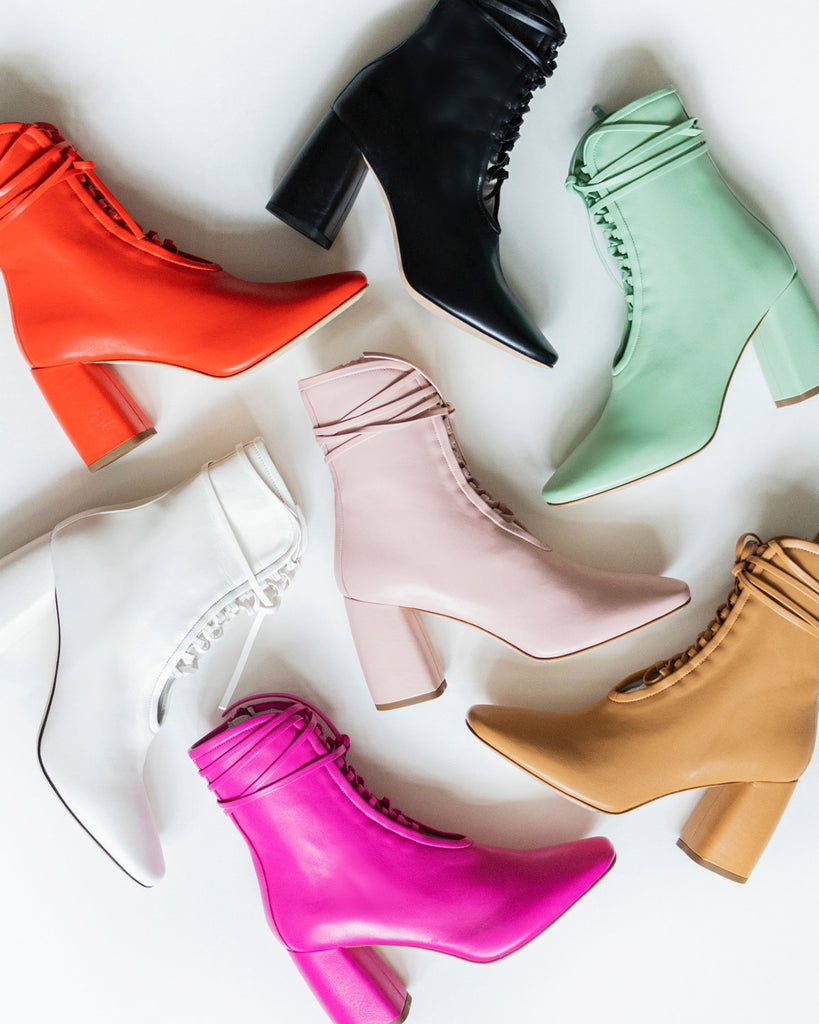


To find wedding shoes that don't hurt, prioritize construction over style alone: choose block heels or platforms, breathable materials like soft leather or mesh, and give your shoes a real break-in period. The brides who stay comfortable from the ceremony through the last dance usually wear shoes with built-in cushioning, stable heel geometry, and a fit that accounts for swelling.
You're probably here because you've seen the usual wedding shoe advice and it all sounds too vague. “Pick a comfy pair” is not useful when you're staring at satin stilettos that look beautiful seated in a box and brutal after one hour on your feet.
I've spent years designing luxury shoes for women who refuse the backup-flats routine. Brides are the clearest example of that standard. You need elegance, stamina, balance, and material softness in one pair. If the shoe fails in any one of those areas, you'll feel it before dinner.
Your Wedding Day Promise No Aching Feet
You step out of the car, your dress is sitting perfectly, the photographer is ready, and within twenty minutes your feet are already bargaining with you. I refuse that outcome for a bride.
I design wedding shoes with one standard in mind. They must carry you through a full day of standing, walking, turning, hugging, posing, and dancing without asking you to grit your teeth for beauty. That comes from engineering, not luck. My team and I call it the chair for the feet philosophy. The shoe should support you the way a well-made chair supports your body, by distributing pressure properly, stabilizing your position, and letting you stay there comfortably for hours.
Brides are often taught to expect pain as part of the look. I have never accepted that. A wedding shoe that only works for the aisle photo has failed its job.
My rule: if a shoe is only beautiful while you're standing still, it's not wedding-worthy.
Years of fittings and post-wedding notes from clients have made the pattern obvious. Foot pain on the wedding day usually starts long before the wedding day itself. It starts with shoes built around appearance first, with no respect for pressure points, swelling, or the way a foot moves over ten or twelve hours. The fix is better design, better fit logic, and better preparation.
That belief also shapes how I make things. I care about shoes that are handcrafted to last, soften with wear, and stay useful after the event. I care about where they go when you are done with them, too. Through our circular fashion mindset and support for Soles4Souls, comfort is not just a one-day promise. It is part of making beautiful products responsibly. If you want to see how construction affects wear from the inside out, read our journal on handcrafted women's shoes.
If you have bunions, swelling, sensitive skin, or a history of pressure pain, borrow advice from foot-health professionals before you buy. I often point brides to practical reading on chiropodist services for seniors because the fundamentals are useful at any age. Pressure management is pressure management.
You do not need a backup pair hidden under the table. You need a better shoe.
The Architecture of a Pain-Free Wedding Shoe
You feel shoe pain in the design long before you feel it at the altar.
Comfort is built into the bones of the shoe. Last shape. Pitch. Heel placement. Toe box depth. Lining softness. Sole behavior. Cushioning that supports instead of collapsing. Brides often focus on beading or heel height first, but the shoes that hold up for twelve hours are engineered, not decorated.

Start with the heel
I judge the heel before anything else because it decides your stability, your pressure pattern, and how tired you feel by dinner.
A narrow stiletto concentrates force into a tiny point of contact. That creates wobble on grass, grooves in decking, and strain through the ball of the foot. A block heel spreads weight more evenly and gives you a steadier base on stone, wood, pavement, and dance floors. A platform can help too, if it reduces the steepness under the forefoot instead of turning the shoe into a rigid brick.
My advice is simple:
- Choose block heels for long ceremonies, outdoor venues, and hours of standing
- Use platforms carefully if they soften the angle under the foot
- Treat slim stilettos as short-wear shoes, not all-day wedding shoes
My design process is built on a chair for the feet philosophy. The shoe should support you the way a beautifully made chair supports the body: with structure in the right places, softness where pressure builds, and balance that keeps you from fighting it. That is exactly why I use proprietary multi-part cushioning and shape the shoe around real wear patterns from fittings, events, and post-wedding feedback.
Then judge the pitch
Heel height gets blamed for problems that stem from pitch.
Pitch is the angle from your heel down to your toes. Two three-inch heels can feel completely different if one has a steep drop and the other has a more thoughtful platform, arch shape, and footbed. If the pitch is too aggressive, your weight pitches forward, your toes start gripping, and your forefoot takes the punishment.
That is the difference between a heel that looks manageable and one that is wearable. If you want the design explanation, read our guide to high heel arch support.
Materials decide whether the shoe works with you or against you
The best structure still fails if the upper is stiff or the lining creates friction.
I strongly prefer soft leather and flexible materials that give where the foot needs room. On a wedding day, heat and swelling show up fast. Hard synthetics and abrasive linings start rubbing even faster. If you have a bunion, high arch, or any area that gets tender under pressure, the material around that spot matters as much as the silhouette.
Look for:
- Soft leather uppers that mold with wear
- Breathable mesh or flexible panels where the foot needs extra give
- Rounded or almond-shaped toe boxes that do not crush the forefoot
- Soles with controlled flexibility so the shoe bends with your stride instead of resisting it
One practical tip. If you are shopping online, learn how to try on shoes virtually before you order multiple pairs blindly. It will not replace a real fitting, but it can help you rule out shapes that are wrong from the start.
The construction I recommend first
For a bride who wants one reliable answer, I start with a stable block heel, secure upper coverage, a softened pitch, and real underfoot support. That formula handles long wear better than a delicate silhouette with no engineering behind it.
I have seen the same pattern for years. Brides rarely regret choosing the more stable shoe. They regret choosing the prettier one that asked too much of their feet.
The Unspoken Rule of Wedding Shoes. Perfect Fit Is Everything
A wedding shoe can have beautiful lines, smart engineering, and a stable heel. If the fit is off, none of that saves you. This is the point brides underestimate most often, and it is usually why a shoe feels fine for ten minutes, then punishes you for the next eight hours.
I hear the same sentence all the time. “I'm always a 39.” I stop them there.
A size stamp is only a reference. Last shape, toe depth, vamp placement, strap position, and arch alignment decide whether the shoe supports you or fights you. I design with what I call the chair for the feet philosophy. Your foot should feel held, balanced, and supported from underneath, not squeezed into submission from above.

Fit your feet for the hour you will actually wear the shoes
Try shoes on later in the day. Not at breakfast.
By evening, your feet reflect real life: standing, walking, heat, stress, motion. That is much closer to your wedding day foot than the neat little version you meet first thing in the morning. I also want brides to fit the larger foot first. Almost everyone has one foot that asks for a bit more room, and ignoring that is how pressure points start.
Use this standard every time you try on a pair:
- Your toes should rest flat, not curl or stack
- Your heel should stay put without gripping for dear life
- The ball of your foot should sit at the widest part of the shoe
- Any straps should secure, not indent
- You should feel centered over the heel, not pushed forward
That last point matters more than brides realize. If the pitch sends your weight to the front, you will feel burning under the forefoot long before the ceremony ends.
Stop shopping by number alone
The right fit feels precise. Not tight. Not sloppy. Precise.
A good wedding shoe should follow the shape of your foot closely enough to keep you stable, while leaving enough volume for normal swelling and movement. That balance is harder to get than brides expect, especially in formal shoes where brands often narrow the toe and flatten the fit just to make the silhouette look delicate.
I would always choose a slightly roomier, better-balanced fit over a smaller size that looks “cleaner” in the mirror. A shoe that wins the photo test and fails the standing test is the wrong shoe.
If your toes already feel crowded in the fitting room, walk away.
Special fit needs are usually shape problems, not discipline problems
Brides with bunions, high arches, narrow heels, or a fuller forefoot often assume they need to “break themselves in” to the shoe. No. The shoe needs to match the architecture of your foot.
A bunion needs space at the exact point of prominence. A high arch needs the insole and topline to meet the foot correctly, or you get lifting and pressure in all the wrong places. A narrow foot usually needs better containment through straps or upper coverage, not a shorter shoe. For brides sorting out that difference, this guide on whether you need wide shoes will help you separate a true width issue from the wrong last.
Material matters here too, but not in the usual way. The question is not just whether a material feels soft. The question is whether it holds its shape where you need support and gives slightly where your foot needs space. That interaction between fit and material is what keeps a luxury shoe elegant without turning it into a torture device.
My fitting test before I approve any wedding shoe
I ask brides to do four things in the fitting room. Stand still for several minutes. Walk in a straight line. Turn. Then pause again.
That sequence reveals almost everything.
| Fit check | What should happen |
|---|---|
| Standing still | No burning at the ball of the foot |
| Walking forward | No heel slip or toe gripping |
| Turning | No ankle wobble or foot sliding sideways |
| Pausing again | No new pressure point appears after movement |
If a shoe passes that test, it has a chance. If it fails, I do not care how beautiful it is.
If you are shopping remotely, use tools that help you rule out bad proportions before you order. A guide on how to try on shoes virtually can help you compare shape, coverage, and scale, especially if you are deciding between sandals, closed pumps, or higher-vamp styles.
One last point from years of fittings and feedback. Brides rarely regret choosing the shoe that feels effortlessly right. They regret the one that asked their feet to suffer for the picture.
Your Four-Week Wedding Shoe Break-In Ritual
A wedding shoe should feel like a chair for your feet. Supportive. Stable. Reliable for hours. You do not get that by pulling a new pair out of the box the night before your wedding and hoping for the best.
You get it through rehearsal.
Breaking in a bridal shoe is not about forcing leather to surrender. It is about teaching the shoe your stride, your pressure points, and the way you stand when nerves, photos, hugs, and dancing all stack into one long day. That is the philosophy behind every pair I design. Beauty matters, but comfort has to be engineered, tested, and earned in real life.

Week four
Start inside your home, on carpet or a rug, for 20 to 30 minutes at a time.
I want you paying attention to four things. Pressure at the ball of the foot. Any rubbing at the heel or straps. Whether your toes start gripping. Whether the shoe changes the way you walk. If any of that shows up immediately, take the shoes off and deal with it now, while the issue is still small.
Use this week to identify exact trouble spots, not to push through them. If one area of leather feels too firm, use a targeted method from this guide on how to stretch leather shoes at home. Stretch the tight point, not the whole shoe. Brides get into trouble when they over-soften a pair and lose the support that was helping them in the first place.
Week three
Move onto wood, tile, and any indoor surface that gives you a more honest read.
Hard floors expose weak construction fast. You will feel whether the sole bends in the right place, whether the heel lands securely, and whether the shoe still feels balanced after ten or fifteen minutes. Years of customer feedback become very clear during these moments. A well-made bridal shoe should guide your foot forward without making you grip, brace, or compensate.
Run a proper test at home:
- Walk a hallway at your normal pace.
- Turn slowly in both directions.
- Stand still for five minutes.
- Sit down, then rise again several times.
- Pause and check for any new hot spot.
If a pressure point appears only after movement, do not dismiss it. Wedding days involve constant transitions. Ceremony. Photos. Cocktails. Dinner. Dancing. A small issue in your bedroom becomes a real problem by hour six.
Week two
Now make the rehearsal specific.
Wear the exact setup you plan to use on the day, whether that means bare feet, hosiery, liners, or a slim insert you have already tested. Put on a dress with similar length and weight if you can. Practice the movements brides forget to practice. Small steps. Side steps. Backing up. Turning while someone is talking to you. Standing with your weight slightly shifted for photos.
This is also the week to dance in them, even if it is only in your kitchen for fifteen minutes.
I have watched brides fall in love with a shoe while standing still, then discover it slides sideways the second they move laterally. That is not a minor detail. That is the difference between feeling polished and feeling preoccupied all night.
Final week
The last week is for confirmation, not correction.
Wear the shoes in short sessions so they stay familiar. They should feel settled by now. If they still require management, tape, mental bargaining, or a recovery plan, they are not ready for your wedding. I say this bluntly because I have heard the post-wedding regret too many times. Brides forgive a less dramatic heel height. They do not forgive pain that distracted them from the day itself.
Keep your final check simple:
- Pack only the inserts or blister guards you already know work for you
- Do one full outfit trial with your dress
- Walk on a surface that mimics your venue as closely as possible
- Inspect the soles and heel tips so nothing is worn or unstable
What not to do
Do not soak the shoes. Do not blast them with heat. Do not wear them for the first time on a long outing. Do not keep “testing” the same hot spot until it becomes a blister.
And do not romanticize suffering. Pain is not part of the bridal look.
The right shoe should serve you beautifully on one of the most important days of your life, then keep going after that. That is how I think about design, and it is why longevity matters to me. A wedding shoe should not be a one-day object with a short shelf life. Wear it again. Repair it. Pass it on. Donate it when you are done. Real luxury has a longer life, and comfort is part of that ethic.
Navigating the Big Day From Cobblestones to Dance Floors
You step out of the car, your dress is perfect, the light is beautiful, and then your heel catches between two stones before the ceremony has even started. I have watched that moment happen. It changes a bride's posture instantly. She stops being present and starts managing her feet.
That is avoidable.
A wedding shoe has to handle the full route of the day. Sidewalk. Grass. Historic stone. Stairs. Photo walks. Hours of standing. Then a dance floor. I design for that reality, not for a ten-second mirror test. Our comfort philosophy is simple. Your shoe should feel like a chair for the feet, supportive enough that your body can relax into the day instead of bracing against it.

Match your pair to your venue, not just your dress
Start with the ground.
Cobblestones and old stone paths call for a broader base and secure hold through the foot. A slim heel tip will sink, wobble, and force your toes to grip. Grass creates the same problem, only softer and more deceptive. Gravel adds slide. Polished indoor floors ask for grip and balance once the music starts.
Here is my rule. If your venue has uneven terrain, wear a shoe with real surface contact and enough upper support that your foot stays centered. For a garden, vineyard, courtyard, or estate wedding, I would choose a low heel, a stable platform, or a refined bootie over a delicate stiletto every time. That is good engineering.
Build a day-of kit that solves the problems you already know
Do not pack a random rescue bag full of products you have never used. Pack the few things that match your own pressure points.
Bring:
- Blister bandages for the exact spots that have rubbed during your break-in
- Anti-friction balm if heat and movement irritate your skin
- The insert or pad you already tested successfully
- A spare pair of heel tips if your venue includes rough stone
- Fashion tape only if your straps or dress details need it
I say this often because brides get talked into last-minute fixes. New inserts, extra cushioning, and improvised padding can shift your foot enough to create a brand-new pain point.
Protect your energy early
The smartest comfort strategy starts before pain shows up.
Put the balm on before you get dressed, not after the rubbing starts. Sit during hair and makeup whenever you can. Change how you stand during long photo sessions. Alternate your weight instead of locking your knees and sinking into one hip. Small adjustments matter because wedding-day fatigue usually begins in the feet, then travels up to your calves, back, and mood.
This is the part brides rarely hear. A well-designed shoe helps, but day-of comfort is also about pacing. The goal is not endurance for its own sake. The goal is to feel elegant at 10 p.m. the same way you felt at noon.
What I would actually wear
For an outdoor ceremony with uneven ground, I would wear a low boot or a stable heel with secure coverage across the front of the foot. A style like the CLEO low heel boot makes sense for this setting because it gives you more contact with the ground and more control through each step. That extra security matters when your dress limits your line of sight and you cannot always see the surface ahead.
If dancing is a major part of your reception, read our guide to shoes for dancing at a wedding. Buy for the whole day, not just the walk down the aisle.
One more thing. Respect what happens after the wedding too. A beautifully made pair should keep going, then be repaired, reworn, or passed on through a circular life. That mindset is part of luxury for me. Comfort and longevity belong together.
Beyond I Do Investing in Day-to-Night Versatility
At some point after the last dance, the ultimate test begins. You open the dust bag six months later and ask a simple question. Was this a wedding expense, or was it a well-designed shoe I will keep wearing?
I care about that distinction. A bridal shoe should not peak in a photograph and retire. If the engineering is right, it keeps serving you long after the wedding. Anniversary dinner. Winter gala. Smart trousers for a city evening. The same features that protect your feet on your wedding day are the reason you will reach for the pair again.
That is the heart of the chair for the feet philosophy. A shoe built with balanced pitch, proper support, and pressure distribution does more than prevent pain for one event. It stays wearable over time. Brides tell me the same thing year after year. The pairs they keep are not the most delicate. They are the ones that still feel good at hour four, season after season.
Buy the pair you will actually wear again
Longevity starts with construction, not sentiment.
Handcrafted shoes earn their place in your wardrobe because the shape holds, the materials age with dignity, and the fit does not turn against you after one outing. I would always choose a style with enough structure to support the foot and enough restraint to work beyond bridal dressing. That usually means clean lines, secure placement, and a silhouette with polish rather than novelty.
Circular fashion belongs in that conversation too. I support Soles4Souls because luxury should keep moving. If a pair no longer serves you, it should be donated, recirculated, and put back into use instead of sitting untouched. The Daniella Shevel Soles4Souls program offers a $75 credit for donations, which gives brides a practical reason to buy with a longer view (Zouxou on ethically made wedding shoes).
What makes a bridal shoe worth keeping
Keep the standard high. A wedding shoe deserves space in your closet if it delivers on these points:
- Stable engineering that still feels supportive years later
- A versatile silhouette that works with eveningwear, tailoring, or denim
- Materials that wear in beautifully instead of cracking, flattening, or losing shape
- A design worth repairing because the foundation of the shoe is strong
- Comfort you trust without planning an escape into flats
This is why I rarely recommend shoes that are bridal in a costume-like way. If the shoe only works with one dress on one day, it is usually too narrow in purpose and too weak in design.
Ask better questions before you buy
I would ask four things.
Will this shape still feel good after the wedding because the support is built in?
Will I want to wear it with real clothes I already own?
Can it be maintained, refreshed, or repaired?
If I part with it, can it enter a circular life instead of becoming waste?
Those questions lead you toward shoes with substance. They also protect you from paying luxury prices for something disposable. The best investment piece is not the one that looks precious. It is the one engineered so well that you keep choosing it.
Walk into Your Future with Confidence and Comfort
You do not need to choose between beauty and comfort. You need to choose shoes with better engineering, a better fit, and a better plan.
That's the whole formula.
Pick a stable shape. Fit for your real foot, not your fantasy size. Break the shoes in with intention. Respect the venue surface. Buy a pair you'd be happy to wear again. Brides who do those things don't spend the night thinking about their feet. They spend it living in the moment.
I've seen over and over that the most elegant bride in the room is usually the one who can still move naturally at the end of the night. That's what refined luxury looks like to me. Ease, confidence, and presence.
If you're shopping now, edit ruthlessly. The right pair should feel composed, supportive, and worthy of the day.
Explore the Daniella Shevel bridal and wedding guest styles if you're ready to buy wedding shoes that don't hurt and carry you from the first step to the last dance.