

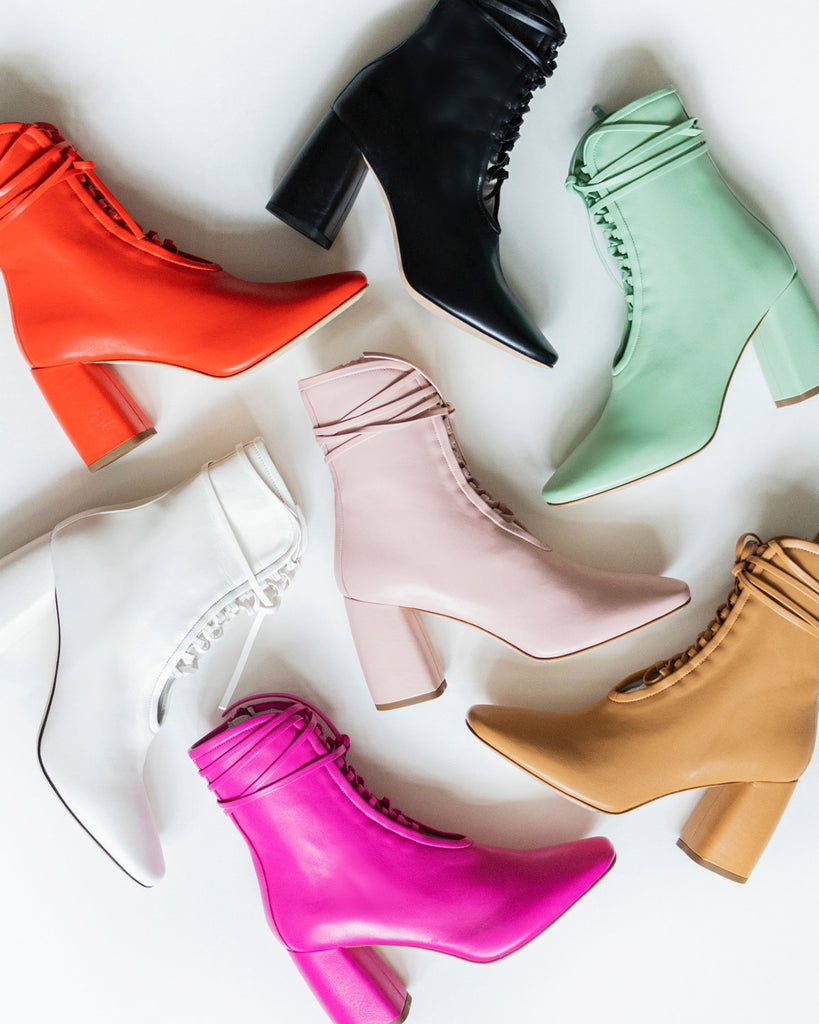


The best wedding shoes are the ones that combine real comfort engineering with luxury construction, so you can wear them for 8+ hours without regretting them. Start with your venue, then your dress, then your actual foot needs, because the right pair should support your day instead of surviving it.
You’re probably staring at a dozen tabs right now. Satin pumps, block heels, embellished sandals, low heels, boots, flats that feel too casual, stilettos that look stunning and slightly dangerous. That’s normal.
I’m going to be blunt. Wedding shoes are not a throwaway accessory. They affect how you walk, stand, pose, dance, and feel when the adrenaline wears off and the day gets long. If your shoes pinch at the fitting, they’ll punish you at the reception.
Your Guide to Unforgettable Wedding Shoes
I’ve always believed one thing. Luxury should not be painful. If a shoe is beautiful but leaves you limping before dinner, it failed its job.
That matters more now because bridal fashion has shifted. The global bridal wear market is projected to reach $69.06 billion in 2025, with a 5.3% CAGR, a sign that brides are treating every part of the look, including wedding shoes, as a meaningful style decision rather than an afterthought, as noted in this bridal market projection.
When I talk to women shopping for wedding shoes, I hear the same tension. They want the photo-worthy pair. They also want to make it through the ceremony, cocktails, dinner, and dancing without a secret stash of emergency flats.
That’s the right instinct.
What I’d tell a friend first
If you only remember three things, remember these:
- Choose for the full day: Your ceremony shoe is also your standing shoe, your greeting-every-relative shoe, and your last-song shoe.
- Let the venue decide the heel: Grass, stone, wood, and sand all punish the wrong silhouette differently.
- Fit beats fantasy: A shoe that respects your arch, toe shape, and pressure points will always look better because you’ll wear it well.
I’ve spent enough time studying handcrafted footwear to know that comfort isn’t accidental. It comes from pitch, padding, materials, lining, sole flexibility, and the shape of the last itself. If you care how shoes are made, this look at handcrafted women’s shoes is worth reading before you buy anything bridal.
Practical rule: If you can’t imagine wearing the shoes through dinner, they aren’t your wedding shoes. They’re just ceremony props.
You deserve better than a shoe that photographs well and quits early.
Shoes for the Bride Bridesmaid and Guest
Before you compare heel heights or fabrics, decide who you are in the wedding. The right answer changes with the role.
If you’re the bride
Your shoe has to carry emotional weight and physical responsibility. It needs to work with your hem, your venue, and the fact that everyone will ask you to move, stand, turn, and stay on your feet longer than you expect.
I’d prioritize these in order:
- Wear time
- Fit at the forefoot
- Heel stability
- How the silhouette works with your dress line
A bride can justify a more statement-making pair, but only if it’s genuinely wearable. If you’re leaning toward white satin pumps, it helps to know how they behave with different dress fabrics and formalities. This guide to white satin pumps is a useful place to sort out whether that classic idea actually fits your day.
If you’re a bridesmaid
You need diplomacy in shoe form. You’re standing through photos, walking at a controlled pace, and often balancing someone else’s color palette with your own comfort threshold.
Your smartest options are usually:
- Mid-height block heels: Better for long standing and outdoor transitions
- Refined low heels: Polished without feeling precious
- Elegant flats or sandals: Best when the dress already carries drama
Bridesmaids should think hard about rewearability. A pair that works for this wedding and then for dinner, another wedding, or a formal work event is the right kind of investment.
If you’re the guest
Guests get more freedom, and I think you should use it. Go for something expressive, but keep the setting in mind. If the wedding includes travel, stairs, standing cocktail hours, or older venues, the chicest choice is the one you can walk in without planning an exit strategy.
Here’s my guest-shoe filter:
| Role | What matters most | Best direction |
|---|---|---|
| Bride | Endurance and silhouette | Dress-matched heel, supportive pump, or polished low heel |
| Bridesmaid | Coordination and comfort | Rewearable sandal, block heel, or low heel |
| Guest | Versatility and ease | Statement heel, elegant flat, or travel-friendly dress shoe |
Buy the pair you’d still be happy to wear if the evening runs late and the dance floor opens early.
If you want one lens for all three roles, ask this question: will this shoe still feel right when the formal photos are done? If the answer is no, keep looking.
For women building a wardrobe around events rather than one-off purchases, a bridal and occasion edit can save time. A focused collection helps you compare shoes that are already intended for dressy, long-wear situations instead of sorting through random fashion heels.
How to Choose Shoes for Your Wedding Venue
Venue first. Always.
A wedding shoe that works in a ballroom can fail in ten seconds on grass. A heel that feels stable on a boutique hotel floor can become annoying on cobblestones. You don’t need one “perfect” wedding shoe in the abstract. You need the right shoe for the ground you’ll walk on.

Outdoor garden weddings
Bad heel choices get exposed quickly.
Block heels are ideal for outdoor venues because their wider base distributes weight more evenly, reducing pressure on the ball of the foot by up to 30-50% compared to stilettos and preventing sinking into soft ground, according to this wedding heel guide.
That’s why I almost always steer women away from needle-thin heels for lawns, gravel paths, vineyard settings, and tented receptions.
Choose:
- Block heels: Stable, clean, and still dressy
- Wedges: Useful if the setting is casual-luxe
- Structured flats: Best if you know you hate heels
Skip:
- Delicate stilettos: They sink and wobble
- Overly soft uppers: They struggle on uneven terrain
If you’re comparing high-heeled styles, platform white wedding shoes can help you think through height versus stability for outdoor events.
Grand ballroom or formal indoor weddings
A polished interior gives you more freedom. Smooth floors, controlled footing, and traditional styling make pumps and slimmer heels feel more natural.
A classic pump proves its worth. The environment supports the silhouette, and the elegance reads immediately.
Still, don’t confuse “indoor” with “easy.” Ballroom weddings often involve more standing than brides expect. Greeting lines, photos, speeches, and lingering conversations can be harder on your feet than the walk down the aisle.
Beach ceremonies
Sand changes everything. If you’re on the beach, not just near it, don’t force a heel because you think bridal means height.
The right choices are usually:
- Flat sandals
- Dressy flats
- Low espadrille-style options
- Barely raised soles with secure straps
What matters most is grip, easy movement, and how the shoe handles heat, sand, and salt air. A shoe that looks delicate but slides, twists, or fills with sand will annoy you all day.
On sand, elegance comes from ease. A shoe that moves naturally looks more expensive than one that fights the setting.
Historic estates and city venues
These are the trickiest because they often mix surfaces. Stone entryways, garden paths, indoor staircases, and old flooring can all show up in one event.
For estates and city weddings, I like:
- Low heels
- Block heels
- Dress boots or booties for cooler months
- Refined flats with structure
A modern city wedding can also justify a sharper fashion choice. Pointed toes, sculptural heels, and sleek boots can look fantastic in an urban setting, especially with shorter dresses or well-fitted bridal looks.
The venue doesn’t just shape comfort. It shapes posture, movement, and confidence. Choose the heel for the ground, and suddenly the whole day feels easier.
The Science of All-Day Comfort in Heels
You feel this section of the wedding day in your feet long before you see it in photos. The ceremony is over, you’ve been standing for hugs and pictures, dinner runs long, then the dance floor starts. A beautiful heel that felt fine for twenty minutes can turn punishing by hour four.
Comfort in a wedding heel is not luck. It is engineering. I look at how the foot is positioned, where pressure collects, how the lining touches the skin, and whether the shoe stays supportive after hours of standing, turning, and walking.

Pitch matters more than most women realize
Pitch is the angle of your foot inside the shoe. Two heels can have the same measured height and feel completely different if one pushes your weight sharply into the forefoot and the other spreads it more evenly.
That single detail changes posture, balance, and fatigue. It also explains why a cheaper heel with a pretty silhouette often feels harsh within an hour.
When I assess a heel for an event day, I check for:
- Balanced pitch: Your body weight should stay centered instead of dumping forward
- Arch support: The midfoot should feel held, not suspended
- Secure heel placement: Your heel should stay in place without gripping for dear life
- Toe box tolerance: The front of the shoe needs enough room to prevent pressure buildup, especially if your feet swell later in the day
Real luxury shows up not in extra decoration, but in whether the shoe lets you move naturally and stay present.
Cushioning has to be placed well
A soft insole alone does not solve comfort. Placement matters. Density matters. Recovery matters.
The best wedding heels cushion the heel, arch, and forefoot as separate pressure zones. That is how you reduce impact when you walk, limit burn under the ball of the foot, and avoid the hollow, unsupported feeling that wears women down over a long event. For a useful breakdown of what arch support should do in a heel, read this guide to high heel arch support.
I also care about how the upper works with that footbed. If the interior seams sit in the wrong place, or the lining grips and rubs, you can still end up with blisters even in a well-cushioned shoe.
One blunt rule. If the insole feels flat and dead in your hand, it will feel worse after six or eight hours on your body.
Materials and structure decide whether the shoe ages well over a full day
Wedding shoes do not perform in a static fitting room. They perform as your feet warm up, swell slightly, and keep working.
That is why I pay attention to the flex point, the stiffness of the sole, and the way the upper holds shape without cutting into the foot. A heel that is too rigid can create hot spots. A heel that is too soft can feel unstable and force your muscles to compensate all day. Women with bunions feel this fast. So do women with high arches or narrow heels, but for different reasons.
Construction has to solve for movement, not just appearance.
What we test before calling a heel wearable
A wedding heel has to survive real use, not a five-minute try-on. I want it to hold up through:
- Long periods of standing
- Short walks across different surfaces
- Turning and pivoting without slipping forward
- Late-day wear, when feet are warmer and slightly fuller
- Pressure points that show up only after repeated movement
A closer look at movement helps too:
My direct recommendation
Choose moderate height, smart cushioning, stable construction, and a soft interior before you choose drama. That decision will improve your posture, reduce fatigue, and give you far more freedom across an eight-hour day.
A wedding heel should support the way you live through the event. Walk. Pause. Turn. Dance. Sit. Stand again. If you are thinking about your feet every ten minutes, the design has failed.
Why Finding the Right Fit Is Everything
A technically comfortable shoe can still fail if the fit is wrong. That’s the part bridal shopping often ignores.
Women with bunions, high arches, narrow heels, wide forefeet, or sensitive pressure points get pushed toward style advice that doesn’t solve their problem. They’re told to size up, break them in, or just switch to flats later. I don’t accept that.

Bunions and shape issues are not edge cases
An estimated 33% of women over 30 are affected by bunions, yet most bridal content still talks almost entirely about style instead of fit solutions such as wider toe boxes and more forgiving materials, as noted in this non-traditional wedding shoe guide.
That’s a huge miss.
If you have bunions or a wider forefoot, the wrong pointed shoe won’t become right because you love the color. If you have a narrow heel, a loose counter will make every elegant sandal feel unstable. If you have a high arch, a hollow-feeling footbed will wear you down long before the dancing starts.
What to look for by foot type
Don’t shop by trend. Shop by shape.
- For bunions: Look for a softer upper, a more generous toe area, and less aggressive tapering at the front.
- For wide feet: Prioritize shoes that don’t pinch at the sides and have enough volume across the forefoot.
- For narrow feet: Look for secure straps, a more held-in heel, and uppers that reduce slipping.
- For high arches: Seek shoes with real underfoot support and a shape that doesn’t collapse your weight forward.
Here’s the simplest way to evaluate fit:
| Foot concern | What usually helps | What often causes trouble |
|---|---|---|
| Bunions | Soft upper, room at forefoot | Sharp taper, stiff edge |
| Wide forefoot | Broader shape, forgiving materials | Narrow last, rigid front |
| Narrow heel | Better hold, strap security | Heel slippage, open fit |
| High arch | Structured support, balanced pitch | Flat-feeling insole |
A wedding shoe should adapt to your foot enough to feel refined, but not so much that it loses structure.
How to test fit before the wedding
You do not need a dramatic break-in ritual. You need a smart one.
Do this instead:
- Try the shoes later in the day when feet are less “morning perfect.”
- Wear them indoors on a clean surface long enough to notice rubbing or sliding.
- Pay attention to pressure points early. They do not disappear at an event.
- Bring them to fittings so your hem and your stride work together.
If sizing across regions confuses you, this Italian shoe sizing guide is very useful, especially if you’re shopping handcrafted European-made shoes.
A great fit doesn’t just prevent pain. It changes how the shoe looks on you. Better posture, steadier steps, less tension in your face, more ease in photos. That’s why fit is not a technical footnote. It’s the entire experience.
Styling Your Shoes from the Wedding to Weekend
You should absolutely ask whether you’ll wear your wedding shoes again. I think more women should.
The smartest bridal purchases aren’t the ones locked forever in a keepsake box. They’re the pairs that still make sense after the wedding, when styled with a silk slip dress, smart trousers, denim, or a sharp dinner look.

The best bridal shoes don’t look trapped in one day
I love wedding shoes that have day-to-night versatility. A metallic heel can move from bridal look to cocktail dressing. A clean ivory pump can work with cream suiting. A soft embellished sandal can reappear at anniversaries, dinners, and formal vacations.
That’s the difference between cost and value.
Try styling by category:
- Classic pumps: Wear later with dress pants, a slip skirt, or a minimalist dress
- Block heels: Easy with wedding guest looks, summer suiting, and dinner outfits
- Dressy flats: Useful for travel, rehearsal dinners, and polished daytime events
- White or cream boots: Strong with short bridal looks, then excellent with denim and knit dresses
A better way to think about the purchase
Don’t ask, “Is this bridal enough?”
Ask:
- Will this still feel elegant next season?
- Can I style it with clothes I already own?
- Does the finish feel timeless or overly costume-like?
That’s where handcrafted design earns its keep. A well-made shoe in beautiful leather, satin, mesh, or a refined metallic tends to age better than trend-heavy novelty.
Buy wedding shoes with a second life in mind. You’ll choose more intelligently and usually more beautifully.
If you’re considering a polished pump, a clean low heel, or a sculptural sandal, the best versions won’t scream “one event only.” They’ll look like part of an elegant wardrobe that happens to include a wedding.
That’s also why I prefer shoes with subtle character over obvious gimmicks. A thoughtful shape, elegant line, or tactile detail will outlast a trend almost every time.
Sustainable Luxury and The Future of Footwear
Wedding fashion has a waste problem. Too many women are told to buy for one day, tolerate discomfort, and move on.
I disagree with the premise.
Sustainable luxury means choosing shoes that deserve a longer life. Handcrafted construction, small-batch production, repairability, and versatile design are not marketing extras. They’re what separate an investment piece from expensive waste.
What sustainable luxury actually looks like
For shoes, I think it comes down to four things:
- Better materials: High-quality components age better and wear more beautifully.
- Smaller production runs: Small-batch making usually means less excess and more care.
- Repair and maintenance: A shoe worth fixing is a shoe worth buying.
- Rewearability: The most sustainable wedding shoe is one you continue to use.
Italian and Portuguese craftsmanship matter here because these traditions tend to value construction, finishing, and longevity. You feel it in the lining, the shape retention, and the way the shoe holds up beyond the event itself.
Why disposable bridal fashion is the wrong luxury model
Single-use bridal purchases often feel glamorous in the moment and disappointing afterward. A luxurious shoe should become part of your wardrobe, not a relic of one expensive day.
That mindset also connects naturally with other parts of the wedding wardrobe. If you’re thinking carefully about long-term value beyond shoes, this piece on understanding sustainable jewelry choices is a helpful companion read.
What to ask before you buy
Use this filter:
| Question | Why it matters |
|---|---|
| Can I wear this again? | Rewearability lowers waste and improves value |
| Can it be maintained or repaired? | Longevity is part of luxury |
| Was it made thoughtfully? | Craft quality shapes comfort and lifespan |
| Does it fit my real life? | Sustainable purchases need actual use |
I also think modern luxury has to include thoughtful alternatives for women who want vegan options or who are trying to buy less and buy better. Sustainable design isn’t one aesthetic. It’s a standard of intention.
The future of wedding shoes should be more personal, more wearable, and less disposable. That’s not a compromise. It’s a smarter kind of elegance.
Walk into Your Next Chapter with Confidence
Choosing wedding shoes isn’t a minor detail. It’s one of the clearest places where style meets self-respect.
The right pair supports your role, your venue, your movement, and your real foot shape. It lets you stand taller without gritting your teeth through the day. It gives you the polished finish you want without asking you to sacrifice comfort for the photographs.
If you’re still deciding, keep it simple:
- Match the shoe to the ground
- Prioritize cushioning and fit
- Choose a silhouette you can imagine wearing again
- Ignore any advice that treats pain as part of the bridal experience
There are no bonus points for suffering through beautiful shoes.
A polished wedding day is built on dozens of invisible decisions that make you feel secure in your body. Shoes are one of them. Foundations are another. If you’re refining the details under your dress, this guide to nipple covers for wedding dresses is a practical resource too.
Go with the pair that lets you move naturally, greet everyone warmly, and dance without planning your escape. That’s the pair you’ll remember fondly.
If you’re ready to shop with comfort as the standard, explore the bridal and event styles at Daniella Shevel. Start with a pair you can wear from ceremony to celebration, then beyond the wedding itself.