

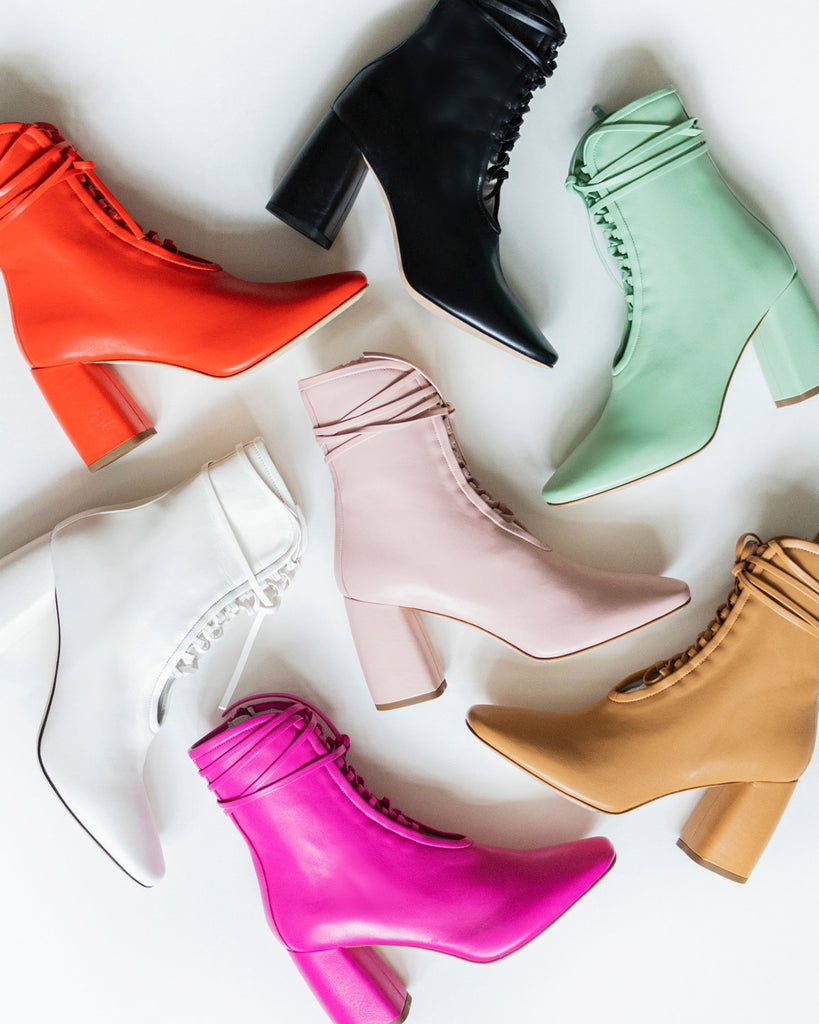


The right comfortable wedding shoes balance construction, cushioning, and venue-appropriate shape. If you’ll be on your feet for 8+ hours, choose a style with built-in comfort technology and a silhouette that suits your setting, such as a low block heel for grass or a supportive bootie for longer wear.
You’re likely here because you’ve found beautiful shoes, but you’re wondering whether they’ll still feel beautiful after the ceremony, the photos, the dinner, and the dancing. That question matters more than most bridal advice admits.
I’ve always believed luxury should never ask a woman to suffer for the look. A wedding shoe should let you stay present. You should be thinking about your vows, your people, your joy, not the exact second you can kick your shoes off under the table.
Your Wedding Day Should Be a Dream Not a Footnote of Pain
A wedding day has a rhythm to it. You stand still longer than expected. You walk more than you planned. You pivot, pose, hug, dance, and move from one surface to another without much warning.
That’s why comfortable wedding shoes aren’t just about softness. They’re about how the shoe is built, how it holds your foot, and whether the silhouette works with the life you’ll live in it that day.
I’ve seen brides get pushed toward one of two extremes. They’re told to wear dramatic heels and accept pain, or they’re told to give up and wear flats. Neither answer is thoughtful enough.
Practical rule: The most wearable wedding shoe is the one that supports your foot shape and matches your venue, not the one that looks best in a still photo.
A comfortable luxury heel does three things well:
- It distributes pressure properly: A good heel doesn’t dump all your weight into the ball of your foot.
- It accommodates movement: Your feet swell, warm up, and change through a long event.
- It stays secure: If you’re gripping with your toes to keep the shoe on, the design is already working against you.
Comfort also has an emotional side. When a bride feels stable, she moves differently. Her posture softens. Her face relaxes. She enjoys herself instead of managing discomfort.
That’s the standard I design toward. Handcrafted construction, glove-soft leathers, balanced pitch, and comfort-first engineering are what make a heel wearable from the first look to the last dance.
If you’re choosing your pair now, don’t ask only, “Is it pretty?” Ask, “Will this let me live my day fully?” That’s the better question, and it usually leads to the better shoe.
The Anatomy of All-Day Comfort in a Luxury Shoe
A well-made shoe should feel like a chair for your feet. That’s the simplest way I explain it. If the structure underneath you is wrong, no pretty upper or soft lining can save it.
Pitch matters more than most brides realize
The first thing I look at is pitch, which is the angle created by the height of the heel in relation to the sole and the way your weight settles forward. Two shoes can have a similar heel height and feel completely different because one is balanced and the other is not.
When pitch is too aggressive, you feel it quickly. Your weight slides forward. Your toes tense. Your lower back compensates. By the end of the night, you’re not just dealing with sore feet. Your whole body has been adjusting.
A good wedding heel should let you stand naturally. It should feel lifted, not tipped.
For brides who need more support through the arch, I recommend learning how the shape underfoot changes wearability in our guide to high heel arch support.

Materials should adapt, not fight you
The second pillar is material selection. In luxury footwear, the leather matters enormously because it determines whether the shoe will soften around your foot or keep pressing against it all evening.
I prefer supple, high-quality leathers and linings that mold with wear. That’s where Italian and Portuguese craftsmanship become so important. Skilled makers understand that comfort isn’t an afterthought added with padding. It begins in the pattern, the cutting, the shaping, and the way the upper is lasted.
What doesn’t work well for long events?
- Rigid uppers: These often create pressure points by mid-event.
- Cheap synthetic linings: They tend to trap heat and increase friction.
- Overly narrow toe shapes without internal give: They may look elegant in the box but become punishing after hours on your feet.
A wedding shoe should soften into your stride, not demand that your foot change shape to wear it.
Cushioning has to be placed intelligently
The third pillar is cushioning. Brides often look for the word “padded,” but padding by itself doesn’t tell you much. Where the cushioning sits and how it supports impact matter more than a vague promise of softness.
In my own design process, I focus on layered cushioning because the foot needs support in more than one zone. The heel strike, the arch transition, and the ball of the foot all experience pressure differently across a long day.
That’s also why I’m careful about shoes that feel overly plush in the hand but unstable on the foot. If the interior is too soft without enough structure, the foot can work harder instead of less.
A useful way to assess comfort before you buy is to check for these signs:
- The heel feels centered: You’re not wobbling or compensating.
- The toe box gives you breathing room: Your forefoot isn’t compressed immediately.
- The insole supports movement: It feels secure as you walk, not just cushioned when you stand still.
One style that reflects these principles is the Isabella heel from Daniella Shevel. It’s a practical example of how a dressier silhouette can still prioritize balanced construction and long-wear comfort.
What Are The Best Heels For Different Wedding Venues?
Venue changes everything. The same heel that feels elegant in a ballroom can become exhausting on a lawn, a gravel path, or old city streets.
This matters even more because 40% of 2025 weddings were held outdoors, according to The Knot’s wedding trends and ideas report. That’s why I’m rarely convinced by blanket advice to “just wear flats.” On uneven terrain, a low block heel in the 1.75 to 3 inch range can be a smarter choice because it gives you stability without sacrificing polish.
Heel Type vs. Wedding Venue Matchup
| Heel Type | Best For (Venue) | Pros | Cons |
|---|---|---|---|
| Stiletto | Ballroom, smooth indoor floors | Elegant line, refined formality | Poor stability on grass, cobblestones, and soft ground |
| Low block heel | Garden, vineyard, outdoor terrace, mixed indoor-outdoor events | Better balance, steadier on uneven surfaces, easier for long wear | Slightly less formal than a very slim heel for some brides |
| Wedge | Beach-adjacent settings, casual outdoor celebrations | Broad contact with ground, less sink than narrow heels | Can look heavier depending on the dress and styling |
| Supportive bootie | City weddings, cooler seasons, cobblestones | Secure fit, more coverage, strong ankle stability | Not right for every bridal aesthetic or climate |
| Flat sandal or flat pump | Very relaxed weddings, backup option for some brides | Easy to walk in, simple transition shoe | Not automatically more supportive, and can lack structure for all-day standing |
Ballroom and formal indoor venues
If your celebration is entirely indoors on even flooring, you have more flexibility. A slimmer heel can work well because the surface isn’t fighting you.
Still, elegance alone isn’t enough. For a ballroom wedding, I’d look for:
- A secure vamp or strap: This prevents sliding forward.
- A balanced heel height: You want lift you can maintain through dinner and dancing.
- A well-shaped toe box: Formal shoes often fail here first.
If you’re considering a pump silhouette, my thoughts on how a block heel pump changes comfort and wearability can help clarify the difference.
Garden weddings and grass
Grass exposes weak design immediately. Narrow heels sink, ankles wobble, and the body starts adjusting with every step.
I strongly favor a low block heel. It gives you a wider base, it photographs beautifully, and it handles transitions from lawn to stone to dance floor much more gracefully than a stiletto.
For this type of venue, I’d prioritize:
- Lower lift over dramatic height
- Firm heel construction
- Materials that won’t rub once your feet warm up
A style like the Nola sandal makes sense for this kind of setting because the structure supports movement without looking heavy. If your ceremony is outdoors and the reception moves inside, that sort of day-to-night versatility becomes very valuable.
Choose for the surface you’ll stand on longest, not the fifteen minutes you’ll spend posing.
Cobblestones, courtyards, and destination settings
Historic venues are beautiful, but they’re unforgiving. Cobblestones and uneven paving punish any shoe that lacks a stable base and secure hold on the foot.
For city weddings or destination events, I often recommend either a low block heel or a refined bootie, depending on the season and the dress. The reason is simple. You need the shoe to stay with you as you walk, not slap the ground or slide around your foot.
What usually doesn’t work in these venues is a barely-there sandal with too little structure. It may look airy, but if your foot has to grip to stay in place, fatigue sets in fast.
Beach and sand
Sand requires a different kind of honesty. Most heels don’t belong there.
If your wedding includes true beach walking, you’re better off with either a flat, a wedge, or a ceremony shoe that you change into once you’re off the sand. If you still want height, keep the design grounded and simple.
The goal is never to force one silhouette into every venue. The goal is to pick the shape that lets you move beautifully and confidently where your wedding takes place.
For brides who want one pair and no backup flats, that decision matters more than any embellishment.
Finding Your Perfect Fit Beyond Just Size
Fit is where most wedding shoe advice falls apart. A label can tell you the size, but it won’t tell you whether the shoe respects your foot.
That’s especially true for brides with bunions, narrow heels, a fuller forefoot, or high arches. Standard luxury shoes often assume a very specific foot shape, and if yours falls outside that template, the experience can feel discouraging.

Bunions need more than generic padding
One of the biggest underserved needs in comfortable wedding shoes is bunion-friendly luxury heels. As noted in this overview of wedding shoe sizing and fit options from Naturalizer, bunions affect 1 in 3 women over 60, yet most brands still talk only about cushioning.
That’s not enough. A bunion issue is a shape issue. If the shoe is rigid or cut too sharply across the joint, extra padding won’t solve the problem.
I design around that reality with three principles in mind:
- A more forgiving toe box: The front of the shoe needs room where real feet need it.
- Stretchable leather with refinement: Soft, beautiful leather can still feel polished.
- Glove-fit construction: The shoe should accommodate the foot, not force it into a hard mold.
If you have a bunion, don’t shop by heel height first. Shop by where the shoe breaks across the widest part of your forefoot.
Brides who’ve struggled with width questions often find it useful to read how to tell if you need wide shoes before ordering.
Wide feet, narrow heels, and high arches all need different solutions
I rarely trust advice that treats all fit concerns as one category. A wide forefoot and a narrow heel create one set of problems. High arches create another. A long, narrow foot needs different support again.
Here’s what I look for in each case:
- For wide forefeet: Soft uppers, a less aggressive toe taper, and enough depth so the foot isn’t pushed upward and outward.
- For narrow heels: Better heel grip and more secure upper coverage so you’re not slipping out with each step.
- For high arches: Thoughtful shaping through the midfoot and a pitch that doesn’t overload the forefoot.
This is one reason I often guide women toward silhouettes with more intentional structure. A shoe can be delicate and still hold the foot properly. It doesn’t have to be bulky to be functional.
One option many women consider when they need a more forgiving fit is the Romi mesh bootie. Breathable mesh and flexible construction can make a noticeable difference, particularly when a rigid pump has never worked for you.
Why in-person fitting still matters
Even with excellent online guidance, fit is personal. I’ve learned a great deal from working directly with women in our New York showroom, because the way someone stands, the way her foot expands, and where she feels pressure all change the recommendation.
Sometimes the answer is a different silhouette. Sometimes it’s a material adjustment. Sometimes it’s acknowledging that a shoe can be elegant without being extremely narrow or extremely high.
That kind of fitting process is where luxury should be useful, not intimidating. The right pair should make you feel considered.
If you’ve spent years thinking designer shoes “just aren’t made for your feet,” I’d challenge that belief gently. Often, the issue isn’t your foot. It’s poor patterning, rigid materials, and a design standard that ignored real women for too long.
Styling Your Wedding Shoes for the Bride and Guest
A wedding shoe should earn a life beyond the wedding. I feel strongly about that because it changes how you buy. You stop shopping for a single moment and start investing in a beautifully made object that will keep working in your wardrobe.
That’s what sustainable luxury looks like to me. Buy less. Buy better. Rewear with intention.

For the bride who wants elegance without single-use styling
A refined satin pump, soft metallic sandal, or sculptural low heel can look bridal without feeling costume-like. That’s the sweet spot.
I usually advise brides to think in terms of line and texture:
- With a clean column gown: A pointed pump or sleek sandal keeps the look sharp.
- With lace or romantic detailing: Softer curves and delicate finishes feel balanced.
- With a shorter dress or second look: A bootie or modern heel can add personality without overwhelming the outfit.
If you’re drawn to satin, this guide to styling white satin pumps offers a useful way to think about rewearing them after the event.
A classic example is a polished heel you wear with your ceremony gown, then later pair with dress trousers, a silk slip dress, or evening denim. The styling shifts, but the sophistication remains.
For the guest who wants comfort and polish
Wedding guests have a different challenge. You need something festive, but you also need to survive transport, cocktails, standing, and dancing without looking like you made a compromise.
That’s where day-to-night versatility becomes powerful. A handcrafted shoe with a stable heel and elegant shape can move from a wedding to work dinners, gallery openings, and holiday events.
I think of these as wardrobe anchors, not occasion shoes.
Here’s a quick styling philosophy I use:
- Let the shoe finish the outfit, not rescue it: If the dress only works with painful shoes, the outfit needs another edit.
- Use texture for interest: Mesh, satin, suede, and metallics add depth even in simple outfits.
- Match the formality of the venue: Garden wedding, softer lines. Black-tie city wedding, cleaner architecture.
For a closer look at bridal styling in motion, this video shows how elegant heels can still feel wearable:
The most successful event shoe doesn’t sit in its box waiting for one perfect night. It keeps returning to your wardrobe in new ways.
The buy less buy better approach
Craftsmanship once again holds significant importance. A shoe made well enough to wear repeatedly is a better purchase than a flashy pair that only survives photographs.
That’s why I favor styles you can imagine in at least three contexts:
- Your wedding or event
- An evening out afterward
- A future celebration with completely different styling
A versatile pair like the Cleo low-heel boot can move beautifully between those worlds, especially for city brides, winter events, or guests who prefer more coverage.
Comfortable wedding shoes should absolutely be romantic. They should also be useful. The best pairs do both.
Your Wedding Day Shoe Strategy From Prep to Post-Party
The shoe itself matters. Preparation matters too.
Even a well-made heel needs a little partnership from you before the wedding. If you give your shoes time to adapt to your foot and your movement, the day goes more smoothly.
What to do before the wedding
Don’t save your first full wear for the wedding day. Wear your shoes indoors on clean floors for short stretches so the materials begin to soften where your foot naturally flexes.
Focus on real movement, not just standing in front of a mirror. Walk, turn, climb a few steps, and sit down in them. You’re testing how the shoe behaves in life, not how it looks in stillness.
My pre-wedding checklist is simple:
- Wear them at home more than once: Short sessions are better than one marathon try-on.
- Test them with the right hosiery or bare foot: The feel can change.
- Practice on a surface similar to your venue: This reveals stability issues early.
- Carefully check pressure points: Don’t assume pain will disappear on the day.
For brides planning a long reception, our guide to shoes for dancing at a wedding can help you think through movement, grip, and support.
What to keep with you on the day
Even if you’re wearing a thoughtfully made pair, a small shoe kit is smart. Not because you expect failure, but because wedding days are long and unpredictable.
Pack:
- Blister patches: Useful for any unexpected friction.
- A soft cloth: Especially if you’re wearing satin or a pale leather.
- Fashion tape if needed for dress hem management: Sometimes the issue isn’t the shoe. It’s the dress catching.
- A spare set of heel tips if your cobbler recommends it for your style
I’m not a fan of planning for disaster with a giant backup bag. I am a fan of small, intelligent preparation.
After the wedding, give the shoes a second life
One of the nicest things about buying with intention is that the story doesn’t end after the reception. Clean the shoes properly, store them well, and decide whether they’ll become part of your ongoing wardrobe or move on to someone else.
That’s also where circularity matters. Daniella Shevel offers a Soles4Souls program that gives customers a $75 credit for donating pre-loved shoes, which fits beautifully with a buy less, buy better mindset.
A wedding pair doesn’t need to become a relic. It can become your favorite dinner shoe, your anniversary shoe, your event shoe, or a meaningful donation that starts a new chapter for someone else.
The most practical luxury purchase is the one that remains useful long after the occasion that inspired it. That’s the standard worth holding onto.
If you’re ready to choose comfortable wedding shoes that are elegant, wearable, and made for real life, explore the bridal and occasion collection at Daniella Shevel. Shop with your venue, your foot shape, and your after-the-wedding wardrobe in mind, then choose the pair you’ll still be happy to wear long after the last dance.
Written by Daniella Shevel, Designer & Founder