

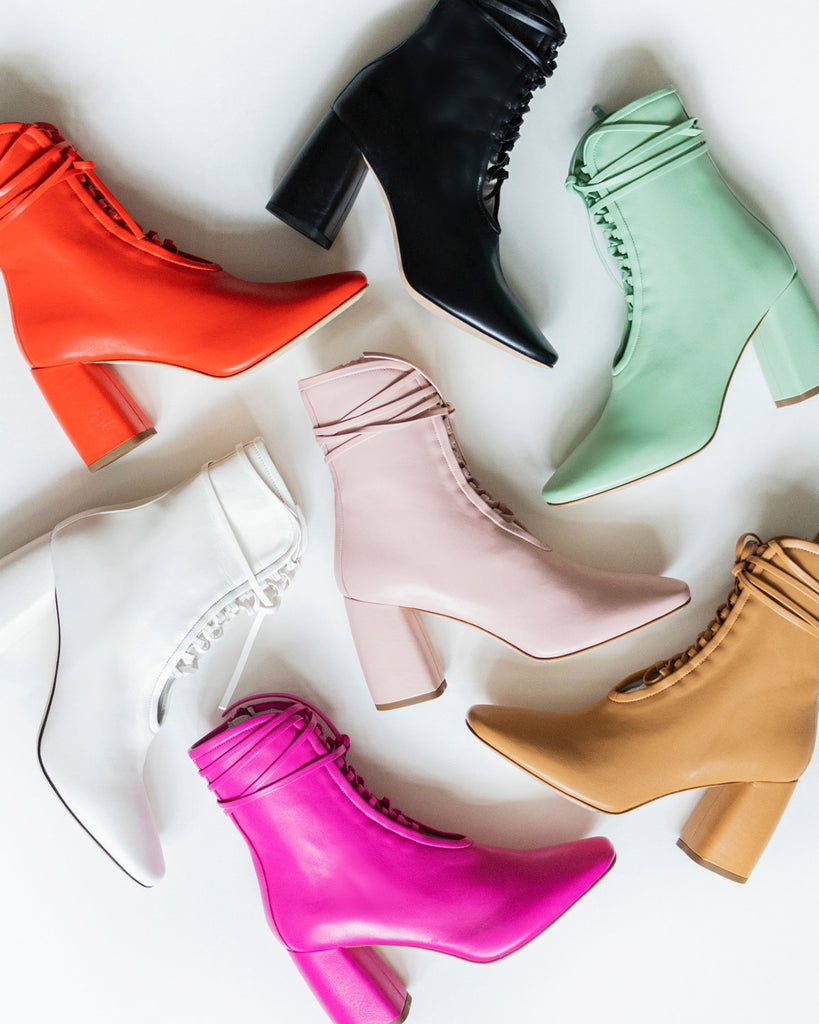


Second look wedding shoes are a second pair of comfortable, stylish shoes a bride changes into for the reception, allowing her to celebrate and dance for hours without pain after wearing formal ceremony heels. 68% of modern brides opt for a shoe switch, a major change from the 12% who changed shoes in the 1990s, and that shift makes perfect sense when wedding days often stretch to 8 to 10 hours.
If you're planning your wedding right now, you may already know the feeling. You found the dream ceremony shoe. It looks perfect with your gown, photographs beautifully, and gives you that lifted, polished posture every bride wants. Then the practical question arrives. Will you still love it after dinner, speeches, and an open dance floor?
That question is where second look wedding shoes become less of an extra and more of a strategy. As a designer, I never think of reception shoes as an afterthought. I think of them as your permission to stay present in your own celebration.
The Modern Bride's Secret to a Perfect Wedding Night
A bride can look serene and still be counting the minutes until she can sit down. I've seen it happen over and over in fittings and conversations. The gown is perfect, the jewelry is chosen, the first shoe is exquisite, but the evening plan ignores one simple truth. Your feet are carrying the entire experience.
That's why second look wedding shoes have become part of the modern bridal wardrobe, not a niche styling trick. According to Rocky Mountain Bride's summary of Brides.com survey findings, 68% of modern brides opt for a shoe switch. The same source notes that receptions often last 8 to 10 hours, and that's a dramatic change from the 1990s, when only 12% of brides changed shoes.

Why the shift happened
Weddings have become longer, more layered, and more personal. The day isn't only a ceremony and dinner anymore. It's walking, greeting, standing, posing, hugging, dancing, and usually doing all of that while looking composed in photographs.
A single shoe rarely performs beautifully in every phase.
Practical rule: Your ceremony shoe and your reception shoe do not need to do the same job. One can deliver formality. The other should deliver freedom.
What a second look really solves
The best second look wedding shoes preserve the feeling of luxury while effortlessly enhancing the physical experience of your night. They help with:
- Movement: You can cross the room, greet guests, and dance without that careful, shortened step painful shoes create.
- Focus: Instead of thinking about pressure points, you can stay engaged with your partner and your people.
- Style continuity: A reception shoe can still feel refined, especially when the shape, finish, and proportion complement the dress.
For brides thinking through options, this guide to comfortable wedding shoes is a smart place to begin because it frames comfort as part of the design brief, not a compromise.
Luxury should never ask you to endure your own wedding. It should support you through it.
Why Are Second Look Shoes a Non-Negotiable Investment?
Some bridal purchases matter in photos. Others matter in memory. Reception shoes belong firmly in the second category.
If your feet hurt, your body changes first. Your posture tightens, your stride shortens, and your energy turns inward. Brides often think discomfort will be manageable because adrenaline carries them through the ceremony. Adrenaline does not carry you through the last hours of the night.
The return is emotional before it is practical
A second pair earns its place because it protects the part of the wedding that can't be recreated. The spontaneous dancing. The walk from table to table. The moment you stay on the floor for one more song because you still feel good.
According to the Journal of Bridal Fashion findings summarized by Bella Belle, brides who changed into a second look pair danced an average of 2.3 hours longer. The same source reports that 78% experienced zero foot pain, compared with 29% of brides who wore one pair all day.
That gap tells you what many brides discover too late. Footwear changes the emotional texture of the evening.
What works and what doesn't
There's a clear difference between a real reception shoe and a panic purchase.
| Choice | What works | What doesn't |
|---|---|---|
| Heel shape | Block heels, lower heels, supportive dress flats | Narrow stilettos on tired feet |
| Fit | Secure hold through the heel and midfoot | Sliding, gripping with toes, loose straps |
| Mood | Feels intentional with the outfit | Looks like an emergency backup |
| Construction | Cushioning, flexibility in the right places | Stiff soles and decorative-only design |
A great second shoe doesn't announce itself as the “practical” pair. It simply lets you move as if the night was designed for you.
The investment mindset
Brides often ask whether they should spend on one exceptional pair or divide the budget across two. My answer is usually this: buy for the full day you're having, not the fantasy version where your feet never swell and the dance floor never calls your name.
A second pair is especially worthwhile if you:
- Know you love to dance: Reception energy changes everything.
- Have a long guest list: More standing and circulating means more fatigue.
- Are wearing a highly formal ceremony heel: Beautiful, yes. Multi-hour-friendly, not always.
- Have fit concerns: Bunions, high arches, sensitivity at the forefoot, or pressure at the heel counter all become more pronounced later in the day.
If you want to understand what handcrafted construction does for comfort over time, this article on handcrafted women's shoes is useful because it shows why build quality matters long after the first fitting.
The true value of second look wedding shoes is simple. They let you stay in the room, in the moment, and in your body with ease.
The Anatomy of a Perfect Reception Shoe
Comfort isn't one feature. It's a chain of decisions. When I work on evening shoes, I think about what the foot will be asked to do over hours, not minutes. Standing still at an altar is one demand. Moving through a reception is another.
A reception shoe has to absorb pressure, hold the foot securely, and still feel refined enough for a bridal look. If one of those elements fails, the whole experience changes.

Understanding heel pitch not just height
Most brides ask about heel height first. Designers look at pitch. Pitch is the relationship between the heel and the forefoot. Two shoes can have the same heel height and feel completely different because the internal geometry is different.
A well-balanced pitch distributes weight more intelligently. A poorly balanced one pushes too much pressure into the ball of the foot and creates that familiar burning sensation that arrives fast and lingers.
What tends to work best for a reception:
- Moderate pitch: You feel lifted, not tipped forward.
- Stable base: The shoe should feel grounded the second you stand.
- Clean foot placement: Your foot shouldn't slide toward the toe box.
For brides curious about how support at the arch changes heel comfort, this piece on high heel arch support explains the mechanics well.
The science of three-part cushioning
Cushioning has to do more than feel soft when you first try the shoe on. It needs to support repeated motion and reduce friction over the course of the event. According to The Bridal Finery's wedding shoe guidance, effective second look shoes for an 8-hour event should feature a 3-part cushioning system, with memory foam stacking 5 to 10mm thick. The same guidance says this construction can cut shear force on the foot by 30%, which is especially helpful for outdoor or grass venues.
That matters because reception discomfort often comes from rubbing and pressure working together.
Soft is not enough. Good cushioning needs structure, placement, and recovery so the shoe still supports you later in the night.
Why the toe box matters more than brides expect
A beautiful evening shoe can fail because the front is too restrictive. By the reception, feet often need room, not force. A generous toe box doesn't mean a bulky silhouette. It means the shoe allows your toes to rest naturally instead of compressing them into a shape the last was never designed to hold comfortably for hours.
Look for:
- Enough width at the forefoot: Especially if you're dancing.
- No aggressive taper: A severe point can look elegant but still be wearable if the internal shape is thoughtful.
- Material that gives slightly: Soft leather, mesh, or carefully chosen satin construction can make an enormous difference.
Handcrafted solutions for fit challenges
Craftsmanship becomes practical, not romantic. In Italian and Portuguese workshops, the best makers understand that millimeters matter. The placement of a seam, the softness of a lining, the way a shoe opens over the instep, all of it changes wearability.
For brides with bunions or sensitive joints, a few design choices can be game-changing:
- Stretch or forgiving uppers: Helpful where the foot needs accommodation.
- Secure heel counters: Better rearfoot stability means less gripping with the toes.
- Adjusted vamp lines: A small shift can relieve pressure across the forefoot.
- Refined block heels or supportive booties: These often outperform delicate sandals when the venue is uneven.
If your celebration is under a tent or on temporary ground, the floor matters almost as much as the shoe. This Marquee flooring guide is worth reviewing because soft or irregular flooring changes which heel shapes stay stable.
The perfect reception shoe isn't the one with the most embellishment or the lowest heel. It's the one engineered so well that you stop thinking about your feet altogether.
Matching Your Venue Your Second Look
The same second look wedding shoes that feel effortless in a ballroom can become a problem on grass, gravel, cobblestones, or polished concrete. Venue is not a small detail. It changes how your shoe lands, grips, and balances with every step.
A smart bride matches the silhouette to the surface.

Garden and outdoor celebrations
Grass exposes every weakness in a narrow heel. The problem isn't only sinking. It's instability at the ankle and the extra tension created when you try to correct every step.
The best choices here are usually:
- Block heels: They distribute pressure more evenly on soft ground.
- Wedges: More casual visually, but useful in the right setting.
- Elegant flats: Ideal if your reception is movement-heavy.
Brides considering open silhouettes for warm-weather events should browse bridal sandals with attention to ankle security, sole grip, and whether the front strap holds the foot rather than just decorating it.
Historic streets and uneven paths
Cobblestones and old stone walkways ask for containment. For this reason, many brides do well with a closed silhouette, a low heel boot, or a supportive dress shoe that anchors the foot.
What tends to perform well:
| Venue condition | Better option | Avoid |
|---|---|---|
| Cobblestones | Booties, low block heels | Thin stilettos |
| Gravel paths | Flats, wedges, broad heels | Slippery leather soles alone |
| Mixed indoor-outdoor route | Secure, versatile low heel | Loose mules if you're walking a lot |
I'm especially fond of a polished bootie for city receptions because it brings stability without sacrificing style. It can also feel unexpectedly modern with a shorter dress or a cleaner second look outfit.
Ballrooms and polished floors
Smooth floors are easier on the heel shape but harder on grip. Brides often assume a ballroom means any formal shoe will do. Not quite. If the sole is too slick or the fit is loose, you'll still feel unstable during quick turns or dancing.
Choose for the floor you'll dance on, not only the aisle you'll walk down.
For a ballroom, many brides love:
- Dressy flats with good hold through the vamp
- Low heels that allow easy weight transfer
- Elegant pumps with reliable underfoot support
Beach and destination settings
Sand, heat, and salt air call for lighter materials and less rigidity. The prettiest option is not always the most practical one. Breathable sandals, flat mules, or a deliberately pared-back second look usually outperform a structured formal heel here.
Think about how the shoe lifts off the ground, how easily sand can be shaken out, and whether the material still looks polished after movement.
Venue-specific dressing feels glamorous when it is also intelligent. That's the balance brides remember fondly.
Styling Your Second Look With Your Reception Outfit
A reception shoe should feel like part of the look, not an interruption to it. The best styling comes from proportion, texture, and mood. If the ceremony shoe was chosen to complement the gown in a formal setting, the second shoe should complement how you want to move and be seen later in the evening.
That's where brides can have a little fun.

If you're changing into a shorter dress
A short reception dress reveals more of the shoe, so shape matters more. A clean pump, embellished flat, or elegant sandal becomes part of the outfit's architecture.
Use these pairings as a guide:
- Minimal crepe mini: Crisp pumps or sleek low heels keep the line polished.
- Feathered or embellished party dress: A simpler shoe usually balances the look better.
- Structured mini with sharp tailoring: Pointed toes or a strong vamp line add sophistication.
For brides drawn to classic bridal finishes, this edit of white satin pumps is a useful reference point for seeing how satin changes the tone of the whole outfit.
If you're staying in your gown
Not every bride changes clothes. Some stay in the original dress and only switch shoes. In that case, your second look wedding shoes should echo the language of the gown rather than compete with it.
A few reliable rules:
- Lace and textured gowns: Softly detailed shoes often feel more coherent than ultra-minimal ones.
- Clean satin or crepe gowns: Strong, simple silhouettes usually work best.
- Full skirts: Prioritize comfort and support because the shoe will be doing more hidden labor than visible styling.
The right reception shoe should make the dress feel easier, lighter, and more alive.
A quick visual reference can help if you're deciding between outfit directions:
If your second look is a jumpsuit or tailored set
Brides can be bolder with their footwear. A jumpsuit invites sharper footwear. Metallics, fashion sneakers, modern boots, and sculptural low heels all have space here if the cut is clean and the styling is intentional.
Consider the overall rhythm of the look:
- Wide-leg jumpsuit: A pointed toe helps extend the line.
- Cropped set: A sleek sandal or boot can feel editorial.
- Relaxed after-party outfit: A polished low shoe keeps it chic without trying too hard.
The goal isn't to match everything perfectly. It's to make the second look feel edited, deliberate, and entirely your own.
Planning The Seamless Shoe Switch
The switch itself should feel easy. If it becomes a scramble, it breaks your momentum and adds stress at the exact point in the night when you should be relaxing into it.
A little planning solves nearly everything.
When to switch
The best timing depends on your wedding flow, but many brides feel happiest changing after the formal photos and once the reception has opened up. If you're doing a first dance in your ceremony look, switch right after. If your gown is heavy or your shoe is already testing your patience by dinner, switch sooner.
Use one practical question. When does comfort become more important than preserving the original silhouette?
What to prepare in advance
Pack your second pair as if it were part of your main wedding wardrobe, not a loose extra tossed into a tote.
Include:
- Your second look shoes: In a dust bag or soft pouch so embellishment stays protected.
- Fresh liners or inserts if you use them: Only if you've already tested them with that pair.
- A small cloth: Helpful if soles or uppers need a quick wipe before you go back in.
- Bandages or blister protection: For prevention or fast relief.
- A backup stocking or sock solution if relevant: Especially in cooler seasons.
Keep the transition kit with the person who is least likely to disappear when the dancing starts.
Who should handle it
Ask one specific person. A bridesmaid, planner, stylist, or sibling works well. Don't assign it vaguely to “someone in the bridal party.” The switch goes smoothly when one person knows where the shoes are, when you want them, and where you'll change.
A quick checklist helps:
- Confirm the location: Bridal suite, powder room, or a private corner.
- Confirm the timing: After first dance, after cake, or before late-night photos.
- Confirm the handler: One person, not three.
- Confirm the dress logistics: Will someone help with hem, bustle, or fastenings?
Do a real trial
Walk in your second pair on the actual surface if possible. Not carpet. Not just your bedroom floor. If your venue has stone, wood, or grass, test for that feel ahead of time.
The easiest wedding choices are the ones you've already practiced once.
Beyond The Big Day Sustainable Luxury And Lasting Value
The most satisfying second look wedding shoes are the ones you want to wear again. That's where sustainable luxury becomes real. It's not only about materials or production language. It's about whether the shoe earns a life after the wedding.
A beautifully made reception shoe has a natural advantage here. Because it was chosen for movement and comfort, it already fits into other parts of life more easily. Anniversary dinner. Summer party. City wedding guest look. Evening travel wardrobe.
What lasting value looks like
Handcrafted construction matters because repair, maintenance, and longevity depend on it. Shoes made with care tend to age more gracefully and respond better to stretching, cleaning, and professional refurbishment.
A few habits extend their life:
- Store them properly: Dust bags and shape support help preserve the upper.
- Clean them promptly: Satin, metallics, and light leathers all benefit from immediate attention.
- Use a trusted repair specialist: Replace worn heel tips before they compromise balance.
- Rotate them back into your wardrobe intentionally: Don't save them so carefully that they disappear.
Why versatility is part of luxury
I've always believed day-to-night versatility is one of the clearest signs of thoughtful design. A reception shoe that works only for one evening may still be lovely, but a shoe that can move into real life has deeper value.
That's especially true for brides building a considered wardrobe. Italian and Portuguese craftsmanship, small-batch production, and comfort-first design make more sense when the result is wearable beyond one celebration.
A more circular way to think about occasion shoes
Sustainable luxury also means creating a path for what comes next. If you're editing your closet after the wedding, donation and resale are better outcomes than letting perfectly good shoes sit untouched for years.
For brides interested in brands that support that longer view, circular programs and repair services are worth paying attention to. They signal respect for craftsmanship and for the customer's wardrobe over time, not just at checkout.
The best second look is not disposable. It becomes part of your life after the last dance.
Step Into Your Celebration With Confidence
Second look wedding shoes aren't about lowering the glamour of your wedding day. They're about protecting it. The right pair lets you move, host, dance, and stay present without the private distraction of pain.
That choice is deeply chic to me. It says you understand that confidence is physical as well as visual. You want the beautiful silhouette, yes, but you also want to enjoy the hours that matter most.
When brides choose well, the evening opens up. Their posture softens. Their energy changes. They stop managing discomfort and start living the night.
Choose a second look that respects both your style and your body. That's not playing it safe. It's planning like a woman who knows exactly what she wants from her wedding.
If you're ready to find a pair that feels as beautiful as it looks, explore Daniella Shevel and shop the comfortable wedding shoes collection. For styles that work for outdoor celebrations, polished receptions, and everything after the ceremony, you can also browse the bridal sandals guide, see refined white satin pumps, learn more about high heel arch support, and discover the value of handcrafted women's shoes. Written by Daniella Shevel, Designer & Founder.