

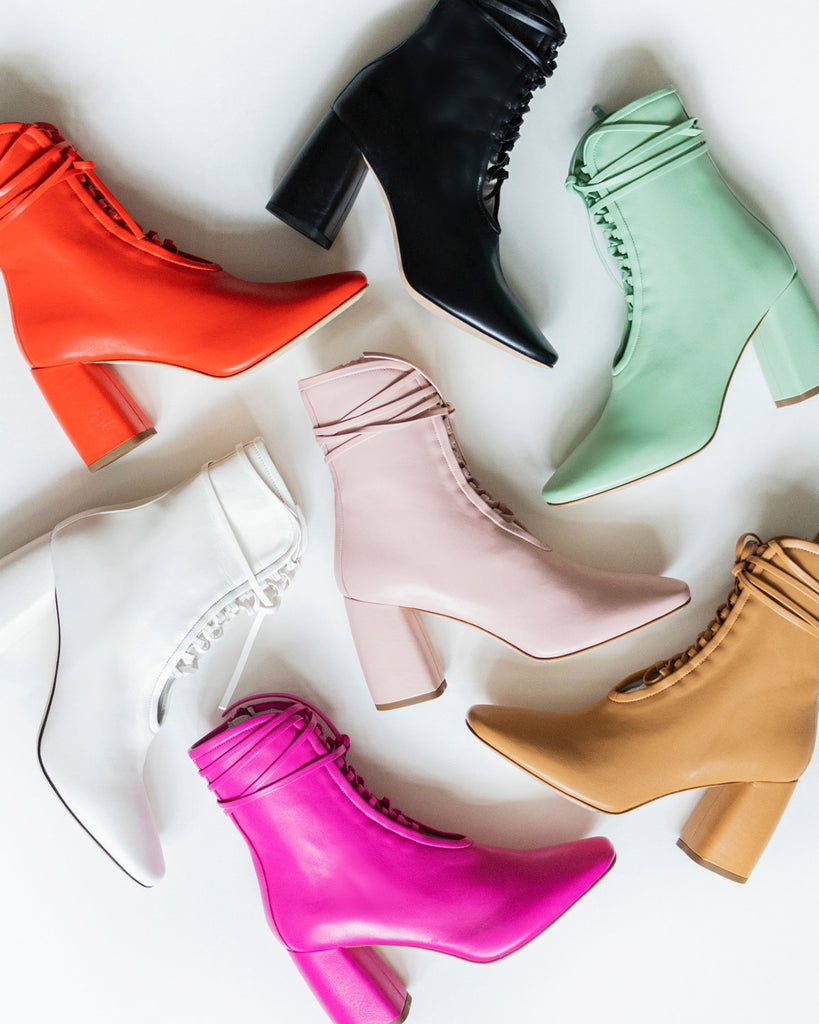


Bridal shoes should be chosen with comfort, venue, and personal style carrying equal weight. Brides in the U.S. typically spend $150 to $500 on wedding shoes, and the right pair can support 8+ hour wear when the construction is designed for it.
You’re likely somewhere between excitement and quiet panic. The dress is underway, the venue is booked, and now you’re realizing that the shoes aren’t a minor detail at all. They’ll carry you through the aisle, the photos, the receiving line, the first dance, the after-party, and every unexpected detour in between.
That’s why I never treat bridal shoes like decoration. I treat them like performance luxury. If a shoe is beautiful but punishing, it has failed the assignment.
I’ve always believed luxury should not be painful. A wedding day is long, emotional, highly photographed, and physically demanding. Your shoes need to do more than match the dress. They need to support posture, protect your feet, and still look polished when your energy dips late in the evening.
The good news is that comfort and elegance are not opposing ideas. They only seem that way when the market asks women to accept bad engineering as glamour. You deserve better than that.
Introduction The Walk of a Lifetime Starts with the Right Step
A bride tries on her gown for the second fitting and suddenly notices what nobody warns her about early enough. The hem changes everything. Her posture changes in shoes. Her stride changes. Her confidence changes. The wrong pair makes her feel cautious. The right pair makes her feel composed.
That difference matters more than is often admitted.
Wedding shoes sit in a strange category. They’re often hidden under fabric, yet they influence how you stand, how you move, and how long you stay comfortable. They shape the day from the inside out. If you’re worried that painful shoes will ruin the mood, you’re thinking clearly.
You shouldn’t need a rescue pair of flats in the car to survive your own wedding.
I’d go further. Bridal shoes should be selected with the same seriousness as the dress alteration and the venue walk-through. If your celebration runs from afternoon ceremony to late-night dancing, your footwear has to perform across multiple settings without asking your body to compensate.
What brides usually get wrong
Many brides shop by silhouette first and function second. That’s backward.
Start here instead:
- Venue first: Grass, cobblestone, polished floors, stairs, and outdoor paths all change what heel shape makes sense.
- Comfort second: Cushioning, pitch, toe shape, and upper softness decide whether the shoe stays wearable.
- Style third: Once the engineering works, then you choose the mood. Minimal, romantic, sculptural, embellished, modern.
A refined bridal look doesn’t come from suffering through a stiletto you hate. It comes from making a precise choice that supports your body and your aesthetic.
Your shoes are part of the full day
The ceremony is only one chapter. Your bridal shoes also need to carry you through:
- Photos: Standing still can be harder than walking.
- Transitions: Cars, stairs, grass, stone, dance floors.
- Long wear: A wedding isn’t a quick event. It’s an all-day progression.
If you’ve been told to “just change later,” ignore that advice unless you want a second look. Day-to-night versatility is far more elegant than a preventable mid-event shoe crisis.
Rethinking Your Bridal Shoe Investment
A wedding shoe earns its price by staying comfortable at hour ten, not by looking expensive in a box.
Bridal footwear sits in a serious purchase range for good reason. Brides are not buying a decorative extra. They are buying support, balance, and enough underfoot protection to carry them through a very long day, as noted in Bella Belle’s guide to investing in designer wedding shoes.

That is the right lens. Your bridal shoes are performance luxury equipment. They need to manage pressure, reduce fatigue, and keep your posture steady from the first photo to the last dance. If they cannot do that, they are overpriced, no matter what the label says.
Spend for engineering
Start by judging what touches your body and how the shoe is built. The best bridal pairs justify their cost through mechanics.
Look for:
- Balanced pitch: Heel height matters less than the relationship between heel and forefoot. A well-pitched shoe feels stable. A badly pitched one throws your weight forward and punishes the ball of the foot.
- Dense cushioning or memory foam: You want padding that absorbs pressure without collapsing after an hour.
- Soft, structured uppers: The material should hold the foot securely without cutting into toes, bunions, or the top line of the foot.
- Secure fit details: Straps, well-shaped counters, and proper toe box proportion reduce sliding and gripping.
- Careful construction: Better finishing, cleaner balance, and stronger materials usually mean better wear on the day and after it.
Rewear value matters too, but comfort comes first. A shoe you can wear again is useful. A shoe you can survive your wedding in is smarter.
Ask a better question
Do not ask, “How much should I spend on bridal shoes?”
Ask, “What level of comfort technology do I need for my wedding day?”
That question changes the entire shopping process. You stop buying a fantasy and start buying function. You pay attention to pitch, foam recovery, toe shape, heel placement, and whether the shoe keeps you aligned instead of forcing your feet to work overtime.
Use one practical standard: buy for the longest stretch of standing and walking you will do all day.
If sustainability matters to you, circular programs are a sensible part of the value equation. The Soles4Souls credit program at Daniella Shevel supports a buy-less-buy-better approach. If your celebration includes dancing and future formal events, a curated edit of wedding guest and event shoes can help you choose a pair with life beyond the aisle.
How Do I Choose the Right Bridal Heel
Choose your heel for hour ten, not minute one.
The right bridal heel keeps your posture clean, your stride steady, and your feet from burning halfway through dinner. Start with the conditions of your day. Venue, walking distance, surface changes, dress length, and your normal heel tolerance matter more than a dramatic first impression in a fitting room.

Start with the ground contact and pitch
A bridal heel is performance equipment. If the geometry is wrong, you will feel it in your calves, forefoot, and lower back.
Begin with two questions. How unstable is the ground, and how aggressive is the pitch? A heel can look moderate and still force too much weight into the ball of the foot if the front platform is low and the angle is steep. That is the kind of shoe that photographs beautifully and punishes you by cocktail hour.
Use this quick filter:
| Heel type | Best use | What to watch for |
|---|---|---|
| Stiletto | Formal indoor floors, short walks, clean modern gowns | Higher balance demands and poor performance on grass, stone, or gaps |
| Block heel | Outdoor ceremonies, historic venues, mixed surfaces, long standing | Bulkier visual line with very airy or ultra-delicate dresses |
| Wedge | Lawn, sand, and events where stability matters most | Often too heavy-looking for a refined formal bridal silhouette |
| Kitten heel | Brides who want polish with a gentler pitch | Less posture shift and less lengthening effect under some gowns |
| Flats | Very long days, second looks, or brides who never wear heels | Less lift, less hem clearance, and less structured stance |
My strongest recommendation for most brides
Block heels win for real weddings.
They distribute weight more evenly, give you a broader base, and ask less from the small stabilizing muscles in your feet and ankles. That matters if your day includes stairs, outdoor paths, old stone floors, photo walks, or hours of standing still while smiling at everyone you love.
If that sounds like your wedding, start with a block heel pump style for outdoor and mixed-surface weddings.
Choose by movement pattern, not fantasy self
Here is the advice I give brides directly.
- Choose stilettos for a ballroom, polished indoor flooring, and a short, controlled walking schedule. They suit a strong vertical line and a more formal, architectural dress.
- Choose block heels for gardens, courtyards, vineyards, coastal settings, city streets, and any wedding where the ground changes under you. They are usually the smartest balance of elegance and stamina.
- Choose kitten heels if high heels change your gait or make you grip with your toes. They keep the look refined without forcing your body into a posture it cannot maintain comfortably.
- Choose flats if you never wear heels, are planning a very long celebration, or care more about ease than added height. A confident flat is better than a miserable heel.
- Choose a bridal boot or bootie for a sharp city look, cooler weather, or a dress silhouette that can handle a stronger fashion statement.
Then check the dress proportion
The shoe should support the line of the dress, not interrupt it.
A slim crepe gown wants a shoe with precision. A romantic dress with texture or volume can handle more visual substance. A slit, tea length hem, or shorter dress puts the shoe on display, so shape matters more. In those looks, a clumsy heel will look clumsy. A well-cut heel will finish the outfit.
Use this shorthand:
- Minimal gown: pointed pump, sleek sandal, narrow heel profile
- Soft or textured gown: strap sandal, curved lines, grounded block heel
- Fashion-forward bridal look: bootie, sculptural heel, cleaner edges
- Ballgown or fuller skirt: stiletto or refined heel with a clear vertical line
The right heel does more than match the dress. It protects your alignment, keeps your walk controlled, and lets you stay present for the full length of the day.
The Secret to All-Day Wedding Shoe Comfort
You step into your shoes at noon for photos and you are still in them at midnight, standing, turning, walking across grass, wood floors, stone, and dance floors. That is not a style moment. It is an endurance test. Your bridal shoes need to perform like luxury equipment.
Comfort comes from construction. I judge all-day wedding shoes by four things first: pitch, cushioning, upper softness, and hold. Get those right and the shoe works with your body instead of fighting it.

Memory foam matters, but only if the whole shoe is balanced
Memory foam can help absorb pressure and reduce fatigue during long wear, according to Zola’s expert advice on wedding shoes. But cushioning alone does not save a bad shoe.
A plush insole inside a poorly shaped heel still leaves you sliding forward, gripping with your toes, and burning out your forefoot early. The foam has to work with the last, the heel placement, and the amount of room inside the shoe. Otherwise it is just softness in the wrong place.
Pitch decides whether a heel feels wearable at hour eight
Pitch is the relationship between heel height and the angle of your foot inside the shoe. Brides obsess over heel height because it is easy to measure. Pitch matters more because it decides how your weight is distributed with every step.
A well-resolved pitch spreads pressure more evenly, reduces the load on the ball of the foot, and keeps your posture controlled. Poor pitch throws you forward and makes even a modest heel feel punishing.
If you want the technical explanation, read this guide to high heel arch support and why it changes wearability.
Soft uppers protect you from friction you feel later
Blisters rarely begin with a dramatic problem. They start with a stiff topline, a seam that rubs, or a toe box that resists the shape of your foot. You may not notice it in the first ten minutes. You will absolutely notice it by dinner.
That is why material matters so much. Soft leather, clean seam placement, and a close fit that holds the foot without squeezing it will carry you much farther than a pretty upper with no give. Satin can look lovely. Fine leather can completely change how a shoe feels. A rigid upper tells on itself fast.
Use this test before you commit:
- Stand in them without distraction. If pressure shows up immediately, reject them.
- Walk, turn, and step backward. Weddings involve far more than a straight hallway walk.
- Try them on late in the day. Your feet need to meet the shoe under real conditions, not morning conditions.
A behind-the-scenes look helps here:
Daniella Shevel is one example of a small-batch maker focused on comfort construction, including a three-part memory foam system and glove-fit design. If you are assessing any bridal shoe at this level, look past the finish and study the engineering. The right pair lets you stay present, move naturally, and forget about your feet for most of the day.
A bridal shoe earns its place when you stop thinking about your feet and start living the day.
Finding Luxury Bridal Shoes for Bunions and Wide Feet
If you have bunions or a wider forefoot, you already know the luxury market can feel dismissive. Too many shoes are designed for a narrow visual ideal instead of an actual human foot.
That’s not a small issue. An estimated 23% of adults have bunions, and searches for bunion-friendly bridal heels spike 40% during wedding season, according to this discussion of the bridal footwear gap. Yet most bridal coverage still centers on color and embellishment, not fit solutions.

What to look for if you need a smarter fit
You do not need to settle for a flat, orthopedic-looking compromise. You need better construction.
Prioritize these features:
- Wider toe box: The front of the shoe should allow the foot to sit naturally, not force compression at the joint.
- Soft upper materials: Nappa leather, soft mesh, and pliable constructions are more forgiving than rigid, highly structured uppers.
- Cushioning under pressure points: If the forefoot takes impact all day, you need support there.
- Secure hold elsewhere: A shoe should not grip the bunion because it failed to hold the heel and midfoot properly.
Avoid these common mistakes
Some brides size up to escape pressure. Usually that creates a new problem. The foot slides forward, the bunion still rubs, and the heel loses control.
Others choose an extremely pointed toe because it looks elegant under the hem. Sometimes that works if the shoe has enough depth and softness, but often it doesn’t. Be honest about your foot, not aspirational about someone else’s.
A better approach is to look for styles built with fit flexibility in mind. A soft mesh or leather bootie can be more forgiving than a rigid pump. If your wedding has an urban or fashion-forward tone, a bridal shoes guide for wide-width concerns is worth reading before you buy.
My recommendation for this shopper
If you’ve been rejected by traditional luxury shoes before, shop with these rules:
- Try shoes on later in the day
- Walk on a hard surface, not just carpet
- Check where the shoe breaks across the forefoot
- Reject anything that creates immediate pressure at the bunion
- Ask whether stretching is possible
Don’t buy a bridal shoe hoping pain will “break in.” Softness can improve. Bad fit won’t become good fit by magic.
A personalized fitting is especially valuable here. If you’re in New York or shopping remotely with guidance, a fit consultation or in-person support through the NYC flagship experience can be helpful when standard sizing hasn’t served you well. If you prefer something with more give and a modern line, a mesh bootie silhouette like ROMI is also worth considering for destination or city weddings.
Matching Your Shoes to Your Dress and Venue
Bridal styling falls apart when the dress says one thing and the shoes say another. The goal isn’t perfect matching. The goal is harmony.
A minimalist gown with sharp lines wants a shoe with similar restraint. A heavily textured or romantic dress can support more softness, ornament, or visual depth. The venue decides how far you can push that decision without sacrificing practicality.
Dress first, then environment
Use your dress as the aesthetic filter and your venue as the reality check.
For example:
- Clean crepe or satin column gown: pointed pump, sleek sandal, or sculpted low-profile heel
- Lace or romantic tulle: embellished sandal, softer toe shape, or graceful block heel
- Short dress or visible slit: choose a shoe that deserves to be seen
- Modern city bridal look: fashion bootie, sharp pump, or high-vamp silhouette
Then test those ideas against the setting.
A ballroom can handle a delicate stiletto. A garden often cannot. A destination wedding on old stone streets may call for a bootie or stable block heel even if your original fantasy involved a slim heel.
Venue logic is not unromantic
It’s elegant to plan intelligently.
If you’re still shaping the overall mood of your day, a thoughtful set of wedding venue decoration ideas can help you connect setting, styling, and practical details so your shoes feel like part of the visual language rather than an afterthought.
Here’s the styling equation I use:
| Venue | Best shoe mood | Why it works |
|---|---|---|
| Garden | Block heel or sturdy low heel | Stable on softer ground |
| Grand hotel ballroom | Pump or stiletto | Smooth floors support a more delicate heel |
| European destination | Bootie or grounded heel | Better for stone streets and walking |
| Beach or sand-adjacent | Flat or low, secure sandal | Less sinking, easier movement |
| City rooftop | Sleek pump or fashion sandal | Modern lines suit the setting |
Don’t ignore hem length
Your seamstress can only work with the height you commit to. If your plan is to swap to something dramatically lower later, the dress may drag.
That’s why I prefer choosing one strong pair with enough day-to-night versatility to last. If you love added height but want more surface contact, review a platform white wedding shoe approach before final alterations.
A final note on visibility. Even when shoes are mostly hidden, they still influence posture and movement. They shape the line of the gown. A beautiful bridal look isn’t just what photographs well. It’s what allows you to move with ease.
Your Pre-Wedding Shoe Preparation Checklist
The right bridal shoes still need preparation. Never wait until the week of the wedding and assume everything will sort itself out.
Break them in with intention
Do this gradually. Wear your shoes at home for short sessions. Walk, turn, stand still, sit, then stand again. That sequence matters because weddings involve all of it.
If the material allows, wear them with thicker socks for brief sessions to encourage a gentler stretch. Don’t overdo it. You want the shoe to soften, not distort.
Rehearse the real environment
A shoe can feel fine indoors and fail on your actual venue surface.
Use this checklist:
- Practice on similar flooring: If your venue has stone, wood, or outdoor paths, test something close to that.
- Wear them with your altered hem height: Your stride changes when the dress is involved.
- Test them later in the day: Your feet are more honest then.
- Add support thoughtfully: If you plan to use gel cushions or grips, practice with them before the event.
If dancing is a major part of the night, read this guide on shoes for dancing at a wedding and test your pair with pivots, not just straight-line walking.
Build a small emergency kit
You don’t need drama. You need preparation.
Pack:
- Blister patches: For quick hot-spot control
- Gel cushions: Helpful if you know the ball of your foot gets tired
- Sole grips: Useful if the bottom feels slick
- Bandages: Simple, practical, necessary
- A soft cloth: For quick cleanup before photos
Wear your bridal shoes enough to know them, not enough to wear them out.
Handle care before and after
If your shoes are suede or delicate fabric, protect them appropriately before the event. If they’re leather, keep them clean and conditioned. And if a pair needs minor adjustment, stretching or repair services are worth using rather than forcing yourself to tolerate a fit issue.
The best bridal shoe routine is calm and methodical. No last-minute panic. No hoping discomfort will disappear. Just preparation.
Walk into Your Future with Confidence
Your wedding is a long day, not a short entrance. Your bridal shoes need to support the full arc of it. That means choosing for fit, pitch, cushioning, venue, and style in equal measure.
A beautiful pair that hurts isn’t luxury. A handcrafted pair that lets you stand tall, move naturally, and stay present is. Choose the shoe that honors your body as much as your look, and you won’t spend your wedding thinking about your feet. You’ll spend it living your life.
If you’re done compromising, explore the Daniella Shevel bridal and occasion collections to find a pair built for elegance, endurance, and a wedding day you can enjoy.