

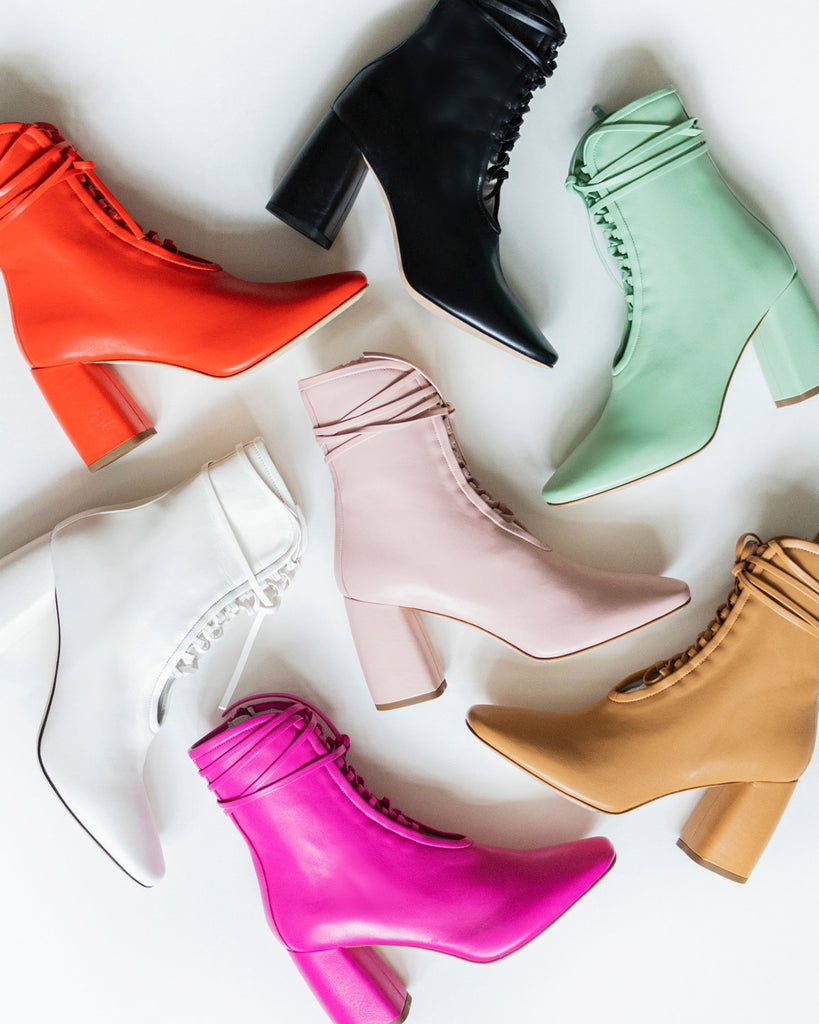


White bridal boots make sense if you want style without sacrificing stamina. A 2-inch stacked heel can reduce forefoot pressure by about 23% compared to a 3.5-inch stiletto, and when that construction is paired with memory foam cushioning, 8+ hours of wear becomes far more realistic for a wedding day.
You're probably choosing between the shoe that looks right in photos and the shoe you can live in from first look to last dance. I don't believe that should be a tradeoff.
I've always felt that bridal footwear is one of the clearest places where women are told to accept discomfort as part of beauty. I reject that completely. If your shoes make you brace, wobble, sit out a dance set, or think about pain during your ceremony, they are the wrong shoes.
White bridal boots are not a compromise. They're a smarter, sharper, more modern choice. They offer structure, presence, and day-to-night versatility that a fragile pump cannot provide. They also carry history. The tradition of white bridal footwear was largely set by Queen Victoria in 1840, when her wedding popularized white satin shoes and helped establish white and ivory bridal boots as an aspirational standard, as noted in this history of wedding shoes.
The appeal today is different. We're not dressing for status or delicacy. We're dressing for movement, confidence, and a long day that asks a lot from our bodies.
If you are getting married in a garden, on a city street, in a candlelit room, or at a weekend estate wedding, boots solve practical problems elegantly. They steady you on uneven ground. They frame the ankle beautifully. They work with minis, midis, suits, and gowns. Above all, they let you stay present.
My rule: if a bridal shoe only works for the aisle and fails by dinner, it isn't luxury.
If you already know you want a fashion-forward option with real support, start by browsing the bridal collection. If your ceremony is outdoors, I'd also look at the CLEO low-heel boot, which gives a cleaner, steadier foundation than a narrow heel. For brides who want something sleeker under a gown, the ISABELLA style is the kind of silhouette that reads polished instead of precious.
The Modern Bride's Alternative to Aching Feet
A wedding day is long. It starts early, runs on adrenaline, and rarely gives you the neat breaks you imagine while planning. You stand for fittings, photos, vows, dinner, toasts, and dancing. Shoes that look acceptable for twenty minutes can become a problem long before the reception settles in.
That's why I'm direct about this. If you know you don't tolerate traditional heels well, stop trying to force yourself into them for the most photographed day of your life. Choose white bridal boots.
They do more than solve pain. They change your posture and your presence. A well-cut boot gives the foot containment. It creates a cleaner line through the ankle and lower leg. It also feels intentional, which matters. Brides often worry boots will look too casual. The opposite is true when the shape is refined and the materials are right.
Why boots feel modern
Bridal boots have always reflected more than taste. Their evolution tracks changing ideas about femininity and movement. Wedding boots began in the Regency era as women's footwear shifted toward more functional half-boots, and by the 1920s they had transformed from modest styles into more liberated, art deco expressions, as described in this history of wedding boots.
That history matters because it explains why boots still feel relevant now. They suggest agency. They suggest a woman dressing for herself, not for an old rulebook.
What I recommend instead of a delicate pump
If your instinct is to buy a traditional satin heel because it seems “bridal,” pause and ask a better question. Will it support the day you've planned?
Choose white bridal boots if you want:
- More security: Your foot is held in place better than it is in an open pump.
- Cleaner movement: Walking, turning, and dancing feel less tentative.
- Venue flexibility: Boots handle city pavements, grass, gravel, and old floors more gracefully.
- Real rewear value: A beautiful boot can come back out for dinners, parties, and winter events.
I'm especially opinionated about this for women who refuse the backup-flats ritual. You shouldn't need a second pair hidden under the table to survive your own wedding.
For a softer bridal look, explore the white boot edit. If you want a fashion bridal option that still works after the wedding, the NOLA boot is the kind of day-to-night piece I'd style again with tailoring, denim, or silk.
How to Choose The Perfect Bridal Boot Silhouette
You step out of the car, your dress drops into place, and the next ten hours begin. Your boot silhouette has to look right under the hem, but it also has to work with the mechanics of standing, walking, turning, and dancing. I choose silhouettes by asking one question first. How will this shape support the foot all day?

Start with three variables. Surface. Hemline. Foot hold.
A beautiful bridal boot should secure the foot without gripping in the wrong places. That usually means a shaft that follows the ankle closely, a heel shape that keeps your weight centered, and a last that gives the toes enough room to lie naturally instead of compressing forward. If you want more context on how boots compare with traditional heels, read our guide to bridal shoes for comfort, style, and support.
For a rustic barn wedding
Barn weddings punish unstable shoes. You are dealing with planks, gravel, dirt, and transitions between indoors and outdoors. Choose an ankle boot or mid-calf boot with a grounded heel and a close fit through the instep.
What works best here:
- Pointed ankle boots: They keep the line refined under a gown.
- Low block or stacked heels: They stay steadier on uneven ground.
- A secure ankle fit: Less sliding means less gripping with your toes.
- A shaft that ends cleanly at or just above the ankle: It sits well under fuller skirts and softer silhouettes.
I avoid overly soft, unstructured boots for this setting. If the upper collapses, the foot works harder to stabilize itself and fatigue sets in early. The RILEY boot makes sense here because the shape is disciplined and the heel reads calm, not clunky.
For city hall and modern minimal weddings
City brides need precision. The right silhouette is usually a low-heel pointed bootie with a clean vamp and no excess detail. It looks sharp with a mini, a column dress, or tailoring, and it handles pavement without that careful, abbreviated walk a delicate pump often forces.
Here is the quick edit:
| Wedding setting | Best silhouette | Why it works |
|---|---|---|
| City hall | Low-heel pointed bootie | Sharp line, easy stride, polished under short hems |
| Courthouse + dinner | Sleek ankle boot | Strong after the ceremony and easy to rewear |
| Minimal loft venue | Clean leather boot | Holds visual structure against simple fabrics |
For a modern wedding, the shaft should feel glove-close rather than loose. That fit matters. It keeps the boot from shifting as you walk and reduces the friction that causes hot spots.
A modern bridal look is built on line, proportion, and control.
For a romantic garden wedding
Garden weddings tempt brides into the wrong silhouette. They picture softness and buy a thin heel. Then the lawn wins.
Choose a boot that carries romance through shape, not fragility. A softly elongated toe, a supportive heel base, and a shaft height that works with the movement of the dress will serve you far better than anything flimsy. If your gown is tea-length or midi, a mid-calf boot can look intentional and striking. If the dress is long and fluid, an ankle boot usually gives the cleanest break under the hem.
The bridal booties collection is a good place to start if you want that balance. If your style is romantic but still fashion-aware, the ROMI bootie offers a lighter look without losing structure.
For an indoor ballroom wedding
A ballroom gives you more freedom, but not a free pass. You still need to think about hours on polished floors, long stretches of standing, and how the boot reveals itself when the dress moves.
My preference is simple:
- A sleek ankle boot under a full-length gown.
- A taller statement boot with a shorter dress or a slit.
- Minimal surface detail if the gown already carries texture, embellishment, or shine.
This is the one setting where a slimmer heel can work well, but only if the pitch is balanced and the foot is held securely through the arch and heel. If the dress is ornate, keep the boot restrained. If the dress is plain, the silhouette can carry more attitude.
The silhouette test I use
I use one mirror test with every bride.
- Does the toe shape sharpen the dress line?
- Does the shaft end at a flattering point on the leg?
- Does the boot hold your foot in place without pressure at the toes or ankle?
- Can you wear it through the ceremony, dinner, and dancing without mentally counting the minutes until you take it off?
If the fit looks pretty but the structure feels questionable, reject it. Bridal footwear should make you feel powerful from the first step to the last song.
Your All-Day Comfort and Fit Checklist
Most bridal shoe advice remains far too vague. You'll hear “extra padding,” “soft lining,” or “comfortable enough for the reception,” but almost no one explains what comfort means in structural terms. That gap is especially obvious in mainstream bridal coverage, which tends to sort boots by style rather than by how they support an 8 hour event, as noted in this bridal boot roundup.

Start with heel structure, not heel height alone
When women tell me a heel is painful, the problem usually isn't height in isolation. It's how the shoe distributes load.
A 2-inch stacked heel can reduce forefoot pressure by about 23% compared to a 3.5-inch stiletto, according to the engineering details shared on this bridal boot product page. That matters because too much pressure in the forefoot is what turns a beautiful shoe into a countdown clock.
My advice is simple. For a wedding, choose a heel that gives you elegance without pitching all your weight forward. A slim stiletto might look light, but it often asks too much from the foot over time.
Check the cushioning system like you mean it
Padding isn't enough. Placement matters. Density matters. Coverage matters.
That same bridal boot engineering reference notes that memory foam insoles designed to keep pressure below the 400 kPa threshold associated with blister formation and ball-of-foot pain can make prolonged wear more sustainable over 8+ hours. That's the kind of detail I want women to pay attention to.
Use this checklist when you try on white bridal boots:
- Forefoot support: Press the insole with your thumb. If the front feels thin, you'll feel it later.
- Whole-foot cushioning: The support shouldn't disappear after the ball of the foot.
- No hot spots at the edges: If you feel pressure standing still, it won't improve after hours of wear.
Practical rule: A bridal shoe should feel secure in the fitting room, not “good once it stretches.”
Fit is not a minor detail
For brides with bunions, narrow heels, high arches, or a wide forefoot, fit is the entire story. A beautiful boot with the wrong internal shape is still the wrong boot.
That's why I care about glove-fit construction. The upper should hold you without cutting in. The toe box should allow presence without compression. The heel cup should stabilize instead of slipping.
One practical place to begin is this guide to bridal shoes and fit considerations, especially if you're trying to narrow down what support features matter for an event shoe.
I'd also pay close attention to these essential considerations:
- Try on late in the day: Your feet are closer to event-day reality.
- Walk on different surfaces: Smooth boutique flooring hides problems.
- Wear the right hosiery or bare-foot setup: Bridal fit changes with what sits between skin and lining.
What to reject immediately
You don't need a long deliberation if a boot fails one of these tests:
| Red flag | What it usually means |
|---|---|
| Heel slips while walking | Poor hold, likely rubbing later |
| Toes feel pushed together | Wrong shape for your foot |
| Arch feels unsupported | Fatigue will arrive early |
| Side seams press into a bunion area | Pain will build, not disappear |
There is one brand example worth noting factually here. Daniella Shevel's stated design approach includes a proprietary three-part memory foam cushioning system and glove-fit construction, which is relevant if you're comparing boots built around comfort engineering rather than only appearance.
Comfort-first design is not about making a shoe look less refined. It's about making sure you can stay elegant for the full day instead of collapsing into the nearest chair halfway through dinner.
Navigating Materials From Italian Leather to Vegan
Material choice changes the entire experience of white bridal boots. It affects how the boot molds, how it ages, how easy it is to clean, and whether it becomes a wardrobe piece after the wedding or just a sentimental object in a box.
I'm blunt about this. A bride should not choose material based only on finish in a product photo. She should choose based on behavior.
Italian leather when you want longevity
I love fine leather because it develops character and often shapes itself more beautifully with wear than synthetic alternatives do. Good leather can soften, adapt, and remain polished if you maintain it properly. For bridal wear, that matters because the goal isn't one perfect hour. It's all-day comfort, then years of rewear.
If you want a deeper primer, this article on Italian leather boots for women is useful for understanding what to look for in a quality leather boot.
What leather usually offers best:
- Natural molding: It can conform over time in a way rigid materials often don't.
- Longevity: Better chance of becoming a true investment piece.
- Refined finish: Especially strong for minimalist bridal looks.
Vegan materials when ethics lead the decision
A strong vegan option can be the right choice if your priorities are ethical sourcing or avoiding animal-derived materials. But you still need to apply the same standards. Does it flex where it should? Does it hold shape where it must? Does it feel breathable enough for a long event?
I see women get distracted by marketing language. Sustainable luxury isn't a label. It's a performance question. If the material looks good but traps heat, creases harshly, or feels stiff at pressure points, it won't support the day well.
For brides prioritizing non-leather options, the vegan collection is the right place to compare silhouettes built with that lens.
Stretch versus rigid structure
This is the material decision almost no one explains clearly enough. Stretch materials can be wonderful for fit-sensitive women because they reduce cutting and adapt more readily. Rigid materials can give a sharper line, but they're less forgiving if the shape is wrong.
My framework is simple:
| Material direction | Best for | Watch out for |
|---|---|---|
| Soft leather | Rewear, molding, classic polish | Needs care and cleaning |
| Stretch construction | Fit-sensitive feet, close hold | Must still support the foot |
| Vegan material | Ethical priority, clean finish | Check flexibility and breathability |
Material should support the foot you have, not the fantasy foot a product page assumes.
If your foot tends to swell, if you have a bunion, or if you hate that “trapped” feeling, I'd lean toward softer or more adaptive constructions. If your priority is a crisp, sculptural bridal silhouette under a clean gown, a more structured leather boot may give you the line you want.
The Modern Bridal Lookbook How to Style Your Boots
Styling white bridal boots is easier than most brides think. The key is to stop treating the boots like an odd exception and start treating them like the anchor of the look.

The modern mini
A short bridal dress with a sleek bootie is one of my favorite combinations because it looks decisive. Not cute. Not tentative. Decisive.
A pointed boot works beautifully. The leg line stays long, and the boot becomes part of the outfit rather than an afterthought. If you're wearing a structured mini, I'd keep jewelry clean and let the footwear carry the edge.
For brides exploring alternatives to traditional courts, this post on white satin pumps can help clarify when a pump works and when a boot makes more visual sense.
The effortless midi
A midi dress gives white bridal boots room to speak. You see more of the shaft. The silhouette matters more. This is ideal for a bride who wants a little movement and a little drama without feeling theatrical.
Women with fit concerns often struggle here because the boot is more visible and standard fits are less forgiving. That's one reason the market gap is so frustrating. Many bridal retailers still cater to a “standard” foot shape and offer little meaningful guidance for bunions, narrow heels, or high arches, as discussed in this analysis of bridal fit gaps.
Choose a midi-and-boot pairing if you want:
- A stronger fashion point of view
- A better showcase for craftsmanship
- A dress shape that transitions easily from ceremony to dinner
The gown redefined
A full-length gown with a hidden or semi-hidden boot is remarkably chic. You catch the toe as you walk. You get support all day. You keep the softness of a classic bridal silhouette, but with more intelligence underneath it.
I especially like this for brides who want tradition from the waist up and modernity from the hem down. The boot doesn't need to shout. It just needs to be excellent.
For a little motion and styling reference, this bridal video captures the spirit well:
The power suit
A white or ivory suit with pointed white bridal boots is one of the strongest bridal looks available. It feels urban, adult, and completely unfussy.
I'd choose a sharper toe and cleaner finish. No excess trim. No sugary detailing. Let the tailoring and the boot do the work.
A few styling pairings I love:
- Sharp blazer + shorts suit: sleek ankle boots
- Wide-leg trouser suit: pointed boots with a visible toe line
- Long ivory blazer dress: low-heel boot for balance and ease
If your wedding wardrobe includes a rehearsal dinner or after-party look, this is also where white boots earn their keep. They don't just survive the wedding. They continue dressing your life.
Caring For Your Investment Boots Post-Wedding
White bridal boots should not become archival objects after one wear. If you chose well, they're part of your wardrobe now. Treat them that way.
Clean them quickly and gently
Don't leave surface marks sitting for days. Dust, grass, city grime, and makeup transfer are much easier to remove when handled early.
My approach is practical:
- Wipe first: Use a soft dry cloth to remove loose dirt before you do anything else.
- Spot clean carefully: Use methods appropriate to the material. Don't drench the boot.
- Let them dry naturally: Heat can distort shape and finish.
If part of your bridal wardrobe includes suede or mixed textures, this guide on taking care of suede shoes is worth saving.
Store them with intention
A beautiful boot can collapse in storage if you treat it casually. Keep the shaft supported. Store each boot in its dust bag if possible. Don't jam them into a shelf where the leather or vegan upper creases sharply.
I also recommend holding onto the box for travel and seasonal storage. It gives the pair a stable home and protects pale finishes from rubbing against darker shoes.
After the wedding, don't “put them away.” Style them back into your life within the month.
Pack them properly for destination weddings
If you're flying with white bridal boots, never toss them loose into luggage. Stuff the toe lightly with soft tissue or clean socks, cover them, and keep anything that can transfer color far away.
For brides who want ongoing care beyond home maintenance, the NYC flagship offers professional stretching and repair support. I think that service matters because sustainable luxury isn't just about buying less. It's about keeping the pieces you love in rotation.
The Daniella Shevel Difference Handcrafted For Your Journey
I design shoes for women who don't want to compromise. That includes brides.
When I work on a boot, I'm not only thinking about the photograph. I'm thinking about the hour after the photograph, and the five hours after that. I care about the line, of course. I care about the shape, the leather, the proportion, the finish. But I also care about whether you can stand in the shoe, move in the shoe, and remain yourself in the shoe.
That philosophy is tied to small-batch production and old-world craftsmanship. We work with artisans in Italy, Portugal, and Brazil because handcrafted shoes behave differently. They carry intention. They reflect touch. They also allow for a more considered, comfort-first design process than rushed mass production does.

If you want a clearer sense of how that process shapes the final product, this story on handcrafted women's shoes is a good place to start.
I also believe luxury should extend beyond purchase. It should include fit guidance, repair, stretching, and a longer product life. That's what sustainable luxury means to me. Buy better. Wear longer. Feel powerful in the piece, not trapped by it.
White bridal boots are one of the smartest choices a bride can make. They're strong, elegant, and far more versatile than people assume. And they let comfort become part of the beauty instead of the enemy of it.
If you're ready to find white bridal boots that feel as good as they look, explore the bridal edit at Daniella Shevel. Start with the silhouettes that match your venue, your dress, and your real life after the wedding.