

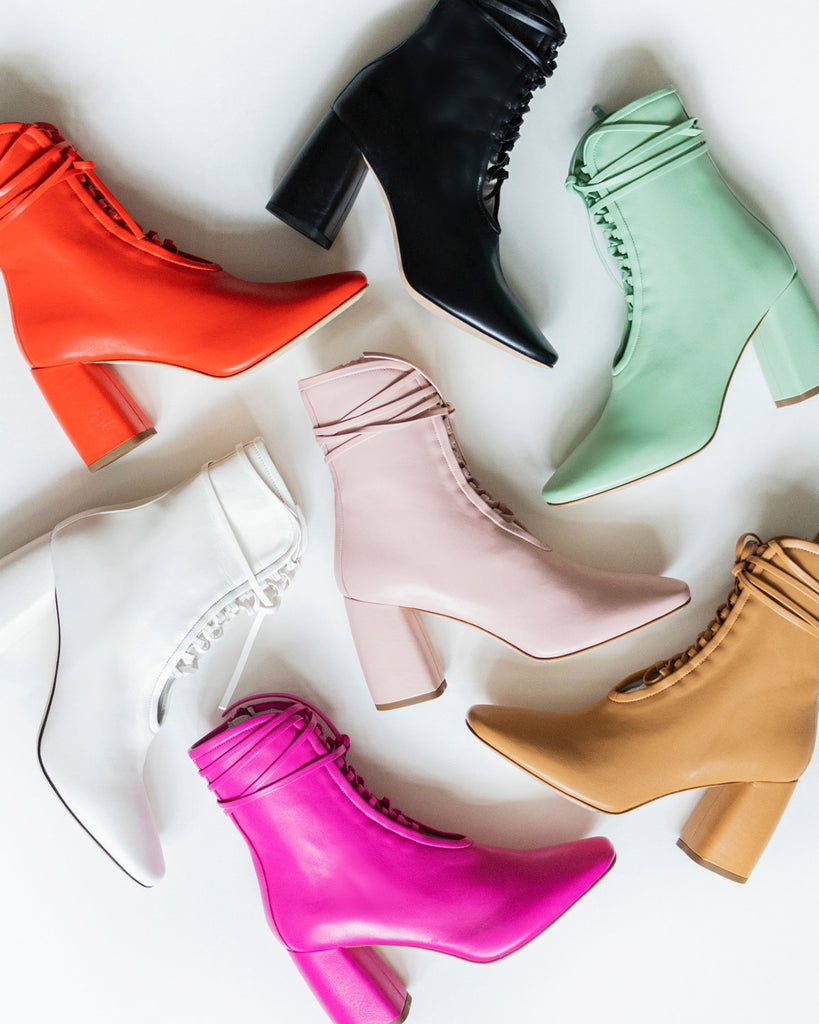


Most brides in the U.S. spend $150 to $500 on wedding shoes, and that’s the right mindset because the perfect designer bridal shoes should carry you comfortably through an 8+ hour day while still feeling personal, polished, and worth wearing again. The pair to choose is the one that balances your style, your venue, and real comfort engineering, not the one that only looks beautiful in a box.
If you’re reading this, you’re probably somewhere between excitement and mild panic. You’ve found the dress, or you’re close, and now you’re realizing your shoes aren’t a footnote. They affect your hem, your posture, your confidence, your photos, and whether you’re still smiling at the end of the night.
I’ve always believed luxury should not be painful. A wedding shoe is not successful because it photographs well for ten minutes. It’s successful if you forget about your feet while you’re living one of the biggest days of your life.
Why Your Bridal Shoe Choice Matters More Than You Think
A bridal shoe does more than complete a look. It decides how you move through the day.
If your shoes pinch, slide, wobble, or force you to think about every step, they pull your attention away from what matters. You don’t want to remember your reception as the point when your feet gave up. You want to remember the feeling of being fully present.
The shoe is part of the experience
Modern brides are treating footwear as a true style decision, not an afterthought. That shift is visible in the broader market. The global bridal wear market, which includes designer bridal shoes, is projected to reach $69.06 billion in 2025, up from $65.6 billion in 2024, with a 5.3% CAGR, reflecting a move toward footwear as a core fashion statement rather than a purely functional accessory, according to bridal shoe market projections.
That doesn’t surprise me at all.
Brides are sharper now. They know a shoe has to do more than match ivory satin. It has to work with the venue, support the foot for hours, and still feel like an extension of personal style. That’s a better standard.
Your wedding shoe should support your energy, not test your endurance.
What I tell every bride
I’d rather see a bride in a lower, beautifully made heel that she can wear all night than in an ambitious shoe she’ll abandon after the ceremony.
Use these standards:
- Prioritize wear time: If you can’t imagine standing, greeting, walking, and dancing in the shoe, keep looking.
- Think about photographs and reality: Yes, the shoe should be lovely in detail shots. It also has to survive stairs, pavement, grass, and a crowded dance floor.
- Buy with a second life in mind: The strongest bridal purchases are the ones you’ll wear again for dinners, anniversaries, and future events.
If you want a smart framework for that investment mindset, read comfortable wedding shoes. It’s the same philosophy I use when I design. Beauty matters. Comfort matters more.
Confidence starts at the floor
There is a very specific kind of confidence that comes from not needing a backup pair.
You stand taller. You move naturally. You stay in the moment. That is the point of designer bridal shoes. Not excess. Not pain disguised as elegance. Real craftsmanship that lets you enjoy your day.
How Do You Choose Heels for Your Wedding Venue and Duration?
Start with your venue. Then look at the timeline. Then choose the heel.
Most women reverse that order. They fall in love with a shape first, then try to force it into a garden, a beach, a cobblestone street, or a twelve-hour wedding schedule. That’s how bad decisions happen.

Match the heel to the ground
A beautiful heel that sinks into grass is not a beautiful choice. A narrow stiletto on old stone is worse.
Here’s the practical breakdown:
| Venue | Heel choice | Why it works | ||---|---| | Ballroom or formal indoor space | Stiletto or kitten heel | Smooth floors allow more freedom, especially for shorter wear | | Garden wedding | Block heel or wedge | Better surface contact and less sinking | | Beach ceremony | Wedge or elegant flat | Sand demands stability | | City wedding | Block heel | Easier for pavement, transitions, and walking between locations | | Historic venue | Block heel or low heel | Better on uneven floors, stone, or outdoor paths |
Duration changes everything
A shoe for a thirty-minute ceremony is not the same shoe for a full wedding day.
In designer bridal shoes, block heels under 2 inches with memory foam cushioning can reduce foot fatigue during 8+ hour events and offer up to 40% greater stability than stilettos, according to wedding heel comfort guidance. That stability matters more than most brides realize. Once fatigue starts, posture changes, your gait changes, and even a pretty shoe can become miserable.
Practical rule: If your day includes a ceremony, photos, cocktails, dinner, and dancing, choose the heel for the final three hours, not the first thirty minutes.
My view on heel types
I love a stiletto visually. I do. But I only recommend it when the setting supports it and the wearer already knows she can handle it.
For most brides, these are the strongest options:
- Block heels: The most versatile choice for long wear, mixed surfaces, and dancing.
- Kitten heels: Excellent if you want polish without committing to height.
- Wedges: Very useful outdoors, especially for beach or lawn weddings.
- Flats or low-profile dress shoes: Completely valid, especially if your style leans modern, minimal, or architectural.
Pitch matters too. A shoe can look low and still feel steep if the foot is pushed sharply forward. That’s why trying shoes on is essential.
For brides who know they’ll be on the dance floor, I’d also look at shoes for dancing at a wedding. Movement changes what comfort means.
A fast decision guide
Choose the answer that sounds like your day:
- You’re getting married on grass: skip stilettos.
- You’re hosting a long city wedding: choose support and stability over drama.
- You want one pair from ceremony to after-party: low block heel wins.
- You’re attached to a higher heel: make sure the event is mostly indoors and the fit is exceptional.
The right wedding heel doesn’t just suit your dress. It suits your agenda.
The Secret to All-Day Comfort Starts with Specific Fit
Most bridal shoe advice is far too generic. “Get padding.” “Break them in.” “Choose a lower heel.” Fine. But none of that solves a shoe that’s wrong for your actual foot.
Fit is where comfort begins. Not after the purchase. Before it.

Stop shopping as if every foot is standard
Common fit issues like bunions, narrow or wide feet, and high arches affect up to 33% of women, yet most bridal coverage still focuses on sparkle and silhouette instead of engineered comfort features like glove-fit construction or memory foam insoles, as noted in this discussion of fit gaps in bridal footwear.
That disconnect frustrates me.
A bride with a bunion doesn’t need another article telling her to choose a pretty pump. She needs a shape that won’t rub the joint raw. A woman with a narrow heel doesn’t need vague “comfort tips.” She needs a shoe that won’t slip every time she takes a step.
What to look for instead
When I evaluate designer bridal shoes for fit, I focus on pressure points first.
Look for these features:
- A forgiving upper: Soft leather, stretch panels, or flexible construction help around bunions and high joints.
- A stable toe shape: You don’t need a round toe, but you do need enough space that the forefoot isn’t compressed.
- Real underfoot cushioning: Especially at the ball of the foot, where fatigue builds fastest.
- Secure heel hold: Slipping causes friction, and friction becomes pain.
If a shoe feels “almost right” in the store, it usually becomes very wrong by the reception.
Fit problems need different solutions
Not every discomfort means the same thing.
If you have bunions, avoid rigid uppers and very tapered toe boxes.
If your feet are wide, pay attention to where the shoe narrows. Some styles look roomy but collapse at the forefoot.
If your feet are narrow, a loose heel counter can ruin the entire fit.
If you have high arches, lack of internal support becomes obvious fast. That’s where thoughtful construction matters more than decoration. For a deeper look at what support should feel like in a heel, read high heel arch support.
My fitting checklist for brides
Before you commit, do this:
- Stand still in the shoes. Notice any immediate pinching.
- Walk on a hard surface. Carpet hides problems.
- Shift weight forward. That tells you where pressure will build.
- Turn and pivot. Receptions are full of lateral movement.
- Wear them longer than a minute. A bridal shoe should earn your trust.
The best bridal fit feels secure, padded, and calm. You should never feel like you’re negotiating with the shoe.
Decoding Materials and Handcrafted Quality
Material is not a cosmetic decision. It changes the way the shoe molds, breathes, softens, and lasts.
That’s why I care so much about handcrafted construction. When a pair is made with skill, the difference is obvious on the foot. The shoe flexes where it should. It holds where it must. It feels considered.
Why materials matter more than ornament
In the U.S., most brides spend $150 to $500 on wedding shoes, and that spending reflects a shift toward longevity, handcrafted construction, and high-quality materials, according to this look at investing in wedding shoes.
I think that’s the right instinct.
If you’re investing in designer bridal shoes, the money should go into things you can feel:
- Supple leather that moves with the foot instead of fighting it
- Breathable materials that help during long events
- Hand-finished details that improve shape and durability
- Better internal construction that supports re-wear
What I’ve learned from factory visits
Whenever I visit workshops in Italy and Portugal, I’m reminded that true craftsmanship is quiet. It isn’t loud branding. It’s precision.
A well-made shoe has balance. The seams are clean. The lining feels smooth. The materials recover well after wear. That’s the difference between a pair you survive in and a pair you reach for again.
The soul of a luxury shoe is in the construction, not the logo.
That’s why I’m drawn to small-batch production and old-world technique. It supports the kind of comfort-first design that doesn’t fall apart after one event.
Choose bridal shoes with a future
I always advise brides to ask one question before buying: would I wear this after the wedding?
If the answer is no, be honest about why. Sometimes that’s fine. But often it means the style is too costume-like, too fragile, or too trend-driven.
If you love modern textures, transparency, or lighter visual weight, explore handcrafted women’s shoes and pay attention to how materials affect wearability. The right upper can make a dress shoe feel far less formal and much more versatile.
Signature Styles That Solve Bridal Pain Points
Good bridal design solves a problem. It doesn’t just decorate it.
That’s why I care less about “statement shoes” and more about whether a style fits the life of the bride wearing it. Some need stability on grass. Some need relief at the forefoot. Some want a sleek shoe they can wear again with tailoring or denim.

Styles that make sense for real weddings
A low block heel is one of the smartest bridal choices for women who’ll be moving all day. If you’re considering that silhouette, a style like the Cleo makes sense for garden venues, city weddings, and longer receptions because the shape is stable and easy to rewear later. If you want more context on why that heel shape works so well, this guide to the block heel pump is worth reading.
For brides who want coverage, structure, and a slightly more fashion-forward line, a mesh or bootie silhouette can be surprisingly practical. The Romi is the kind of style I’d consider for cooler-weather weddings, courthouse ceremonies, or brides who want something less expected but still polished.
Then there are brides who need a clean, versatile heel they can keep in rotation long after the wedding. A style like Isabella works when your goal is simplicity, repeat wear, and an elegant profile that doesn’t feel overly bridal after the event.
Match the style to the pain point
Use the problem, not the trend, as your guide.
- For outdoor instability: choose a lower block heel with a grounded base.
- For day-to-night wear: choose a shape that works with dresses now and tailoring later.
- For foot sensitivity: choose softer uppers and less aggressive toe shapes.
- For a modern bridal look: try a directional silhouette instead of default satin pumps.
One option in this space is Daniella Shevel bridal shoes, which focus on handcrafted construction, memory foam cushioning, and styles designed to move from event dressing into repeat wear.
Here’s a closer look at how this kind of comfort-first bridal dressing translates on foot:
The pair you rewear is usually the right pair
I also love a sandal or softer evening shoe for brides who want less visual weight. Something like Nola can work beautifully for warm-weather celebrations, smaller ceremonies, or second looks.
The strongest bridal wardrobe isn’t built around one dramatic moment. It’s built around pieces you’ll keep reaching for. That’s how a wedding purchase becomes a real part of your closet.
Beyond the Wedding Day With Sustainable Luxury and Care
I’m firmly in the buy-less-buy-better camp. Bridal shoes should not become relics the morning after the wedding.
Sustainable luxury starts with restraint. Buy the pair that earns a long life, not the pair that only suits a single photograph.

Why this matters now
Sustainable and circular practices remain a major gap in bridal content. At the same time, 74% of luxury consumers demand sustainability, and 92% of shoes end up in landfills through fast-fashion waste patterns, making donation credits and well-made vegan alternatives increasingly important in purchase decisions, according to this sustainability discussion in wedding footwear.
That should change how you shop.
If you care about quality, you should also care what happens after the event. Rewearability is not a bonus. It’s part of good design.
How to extend the life of bridal shoes
You do not need a huge collection. You need thoughtful maintenance.
- Clean them after the event: Dirt, moisture, and residue settle fast.
- Store them properly: Keep shape in the toe and protect the upper.
- Repair instead of replace: Heel tips, stretching, and refinishing can bring a pair back beautifully.
- Choose adaptable styles: A minimal heel or refined sandal gives you far more wardrobe mileage.
A bridal shoe with a second and third life is usually the more elegant purchase.
Circular thinking is stylish
I also believe sustainable luxury includes materials. High-quality vegan options deserve a place in the conversation, especially when they’re made with the same seriousness as leather footwear.
If a brand offers care, repair, stretching, or donation support, that matters. It means the relationship doesn’t end at checkout. It means the shoe was designed to stay in use.
For many brides, that’s the ultimate luxury. Not excess. Longevity.
Your Guide to Sizing and In-Store Fittings
Sizing is where many expensive mistakes happen. A beautiful shoe in the wrong size is still the wrong shoe.
Always try on wedding shoes later in the day, when your feet are a bit fuller. That gives you a more honest fit. If you plan to wear hosiery, bring it. If your gown has already been altered, bring the exact heel height you expect to wear.
What to do before you commit
Follow a simple process:
- Measure both feet. One is often slightly larger.
- Try the shoes standing and walking. Sitting tells you almost nothing.
- Check toe room and heel grip together. Brides often focus on one and ignore the other.
- Test them on hard flooring. That’s where pressure points show up.
- Ask about stretching and adjustments. Small refinements can make a major difference.
Why in-store service matters
For an investment purchase, in-person fitting is worth it. An experienced fitter can spot issues you might miss, especially around heel slip, arch placement, and pressure at the forefoot.
That’s particularly useful if you have bunions, narrow heels, or one foot that sizes differently. Online shopping can work, but bridal shoes are one category where expert eyes help. A proper fitting also gives you clarity on whether the pair can be stretched, padded, or adapted to your requirements before the wedding.
Frequently Asked Questions About Designer Bridal Shoes
When should I buy my wedding shoes
Buy them before your first serious dress fitting if possible. Your hem depends on heel height, and waiting creates unnecessary stress. It also gives you time to wear the shoes at home and decide whether any adjustments are needed.
Can I wear designer bridal shoes after the wedding
Yes, and I think you should. The smartest purchases are the ones that work again for dinners, formal events, anniversaries, and parties. If a pair feels too bridal to rewear, ask whether a cleaner silhouette might serve you better.
How do I break in luxury shoes without ruining them
Wear them indoors on clean floors for short periods. Focus on natural movement, not marathon sessions. If a shoe is painfully tight right away, don’t force it. Get professional stretching where appropriate instead of trying internet tricks that can damage the material.
Should my wedding shoes match my ring or jewelry
They don’t have to match exactly. They should feel coherent. Tone, finish, and mood matter more than perfect duplication. While you’re finalizing accessories, it can also help to measure your ring size with Ritani if you’re planning wedding bands, resizing, or stacking pieces around the same time.
Are repairable designer shoes worth more
Usually, yes. A shoe that can be repaired, stretched, and maintained has a much better chance of becoming a lasting part of your wardrobe. That’s the difference between buying for one day and buying with intention.
The right pair of Daniella Shevel shoes should feel beautiful at the first fitting and dependable at the last dance. If you’re ready to find designer bridal shoes that put comfort, craftsmanship, and rewearability first, start with the bridal collection, book a fitting, and choose the pair you won’t want to take off.