

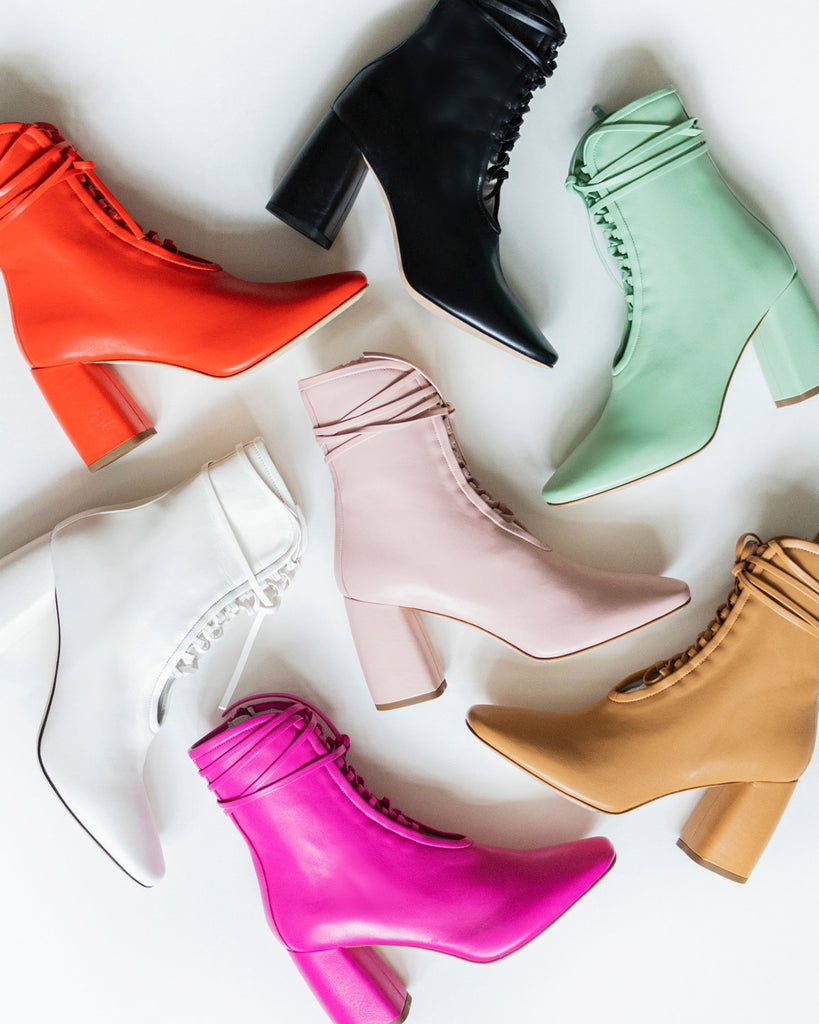


The most comfortable bridal booties combine a stable, low-to-mid block heel in the 2.5 to 3 inch range, cushioning that can handle an 8+ hour celebration, and soft, flexible uppers that move with your foot instead of fighting it. If you're planning a wedding day that includes standing, walking, dancing, travel, or uneven ground, that combination matters more than almost anything decorative.
You can feel the problem before the wedding even starts. The dress is perfect. The venue is booked. The photographs will last forever. Then the shoe search begins, and suddenly you're expected to choose between something beautiful and something wearable.
I don't accept that trade-off.
Luxury should not be painful. A wedding shoe has to work from first look to final dance, and if it can't do that, it's not finished. That's why comfortable bridal booties deserve a serious place in the conversation. They solve problems that many classic pumps don't. They offer more containment, more stability, and often a far better fit for brides who already know that pinching, sliding, and forefoot pressure can ruin an otherwise perfect day.
Many brides arrive at this search after one bad fitting room moment. They try on a gorgeous heel, stand in it for five minutes, and immediately know it won't survive the day. If that's you, start with wedding shoes that don't hurt. It's often the fastest way to reset the standard and stop shopping for shoes that only work while sitting down.
Your Wedding Day Shouldn't End in Pain
The wedding day is long in ways people underestimate. You're not just walking down an aisle. You're standing for hair and makeup, moving through a ceremony, greeting guests, posing for photos, getting in and out of cars, crossing dance floors, and often navigating surfaces the venue website conveniently forgot to mention.
That's where bad shoes expose themselves quickly.
A painful shoe usually fails in one of three places. The heel is too unstable. The forefoot takes too much pressure. Or the upper cuts into the foot once heat and swelling arrive. Bridal booties can handle those stress points better because they secure the foot more fully and distribute pressure more intelligently.
Practical rule: If a shoe already feels sharp, tight, or wobbly indoors, it won't improve under wedding-day pressure.
I've always believed the right bridal shoe should let you forget about your feet. That doesn't mean flat, boring, or overly practical. It means the design has done its job. It means the silhouette still looks polished in photos, but the engineering supports how a real bride moves.
Three things usually separate a wearable bridal bootie from a decorative one:
- Stable elevation means a lower, more grounded heel that helps you stand and walk with confidence.
- Real cushioning softens impact so you're not absorbing the day through the ball of your foot.
- Flexible uppers reduce rubbing and let the shoe adapt as your feet warm up.
A wedding shoe should feel elegant at noon and still make sense after dinner. That's the standard. Anything less is a costume piece.
Why Choose a Bootie for Your Wedding Day
Bridal booties aren't a novelty. They're part of a long bridal tradition.
Fashion histories note that wedding footwear shifted in the 19th century from purely decorative toward more practical, walkable styles. By the Victorian era, brides commonly wore satin or silk boots, and Queen Victoria's 1840 wedding helped shape the modern white bridal standard. By the 1850s, modest heels had returned after a long flat-shoe period, and by the 1880s bridal shoes often featured more defined heels and white silk satin uppers with simple bows, as outlined in this history of wedding boots.
That history matters because it answers a question many brides still wonder. Is a bootie bridal enough?
Yes. Completely.
Why the silhouette still feels formal
A good bridal bootie keeps the same visual cues that make a wedding shoe feel dressy. It has line, refinement, and finish. The difference is that it also gives you coverage and structure.
That combination works especially well if your priorities include:
- Day-to-night versatility for a ceremony, dinner, and dancing in one pair
- Seasonal practicality for winter weddings or cooler evenings
- A more secure fit if you dislike slipping out of pumps
- A modern but timeless look that doesn't read as trend-chasing
Booties also solve a styling problem many brides don't anticipate. Under a long gown, the shoe usually appears in motion, not as a full static view. What registers is the shape at the front, the line at the ankle, and whether the entire look feels intentional. A pointed or softly tapered bridal bootie often reads cleaner and more polished than a traditional sandal under hem movement.
When a bootie works better than a pump
Some wedding formats almost ask for one.
City weddings involve pavement, curbs, and stairs. Garden weddings demand more stability. Cold-weather ceremonies need more coverage. Destination events usually benefit from one pair that can move between formal moments and travel logistics without looking compromised.
A bridal bootie makes the most sense when you want elegance with accountability. It has to look beautiful, but it also has to carry you through the day.
If you're drawn to a lighter, dressier interpretation of the silhouette, the ROMI mesh bootie is worth a look. Mesh can soften the visual weight of a closed shoe while keeping the secure feel that makes booties so practical for event wear.
The Anatomy of a Truly Comfortable Bridal Bootie
I design bridal booties from the inside out because comfort is never one feature. It comes from the way the heel pitch, cushioning, and upper all work together over a full wedding day. General fit guidance on comfortable bridal shoes points to the same foundation. Stable height, supportive interiors, and materials that flex instead of fighting the foot.

Heel geometry
Heel height gets too much attention on its own. Pitch matters more.
A shoe can have a modest heel and still force too much weight into the ball of the foot if the last is wrong. That is usually the point where brides start feeling forefoot pressure, instability, and the urge to take the shoes off between events.
What I look for first:
- A moderate pitch that keeps your posture polished without shoving you forward
- A wider heel base, such as a block heel, for better side-to-side stability
- A shaft that holds the foot securely so you are not sliding down into the toe
What creates problems:
- Narrow high heels that only feel good while standing still
- Loose ankle fit that causes heel lift with every step
- Rigid soles that make walking feel sharp instead of controlled
If you pay close attention to how heels support your arch, my guide to arch support in high heels explains how pitch, insole shape, and heel base need to work together.
Cushioning that earns its place
Softness alone is not the goal. Useful cushioning absorbs impact, supports the foot, and keeps its shape after hours of wear.
I use memory foam because it can cushion pressure points without making the shoe feel unstable. That balance matters for brides with swelling by evening, sensitive forefeet, or arches that tire quickly. If the insole is too thin, every hard surface comes through. If it is too spongy, your foot starts searching for stability and fatigue sets in faster.
Good cushioning usually feels like this:
- Less shock under the ball of the foot
- More even weight distribution through the midfoot
- A secure step instead of a squishy one
The CLEO low-heel boot shows this principle clearly. A lower, stable profile gives the cushioning a better chance to do its job because the foot is not fighting excess pitch.
Upper flexibility and containment
The upper decides whether a bootie feels gentle or punishing by hour three.
For brides with bunions, swelling, or forefoot sensitivity, this is often the make-or-break detail. A soft upper with glove-fit construction can hold the foot neatly without pressing into one sore spot all day. Stiff materials usually fail in a predictable way. They crease at the same flex point, rub the same bone, and create the same hot spot.
That is why I favor soft leather, mesh, and smooth interior finishing. The goal is containment without pressure. You should feel held, not squeezed.
Look closely at these details:
| Feature | What it helps with |
|---|---|
| Soft upper | Reduces rubbing at the ankle and forefoot |
| Secure shaft | Limits sliding and heel lift |
| Smooth interior finish | Helps prevent friction hot spots |
| Flexible forefoot | Makes walking feel more natural |
A well-made bridal bootie should still feel composed late in the evening, when your feet are warmer, slightly fuller, and less forgiving. That is the standard I design for.
A Fit Guide for Every Bride and Every Foot
Most bridal shoe advice is built around style categories, not real feet. That's a mistake.
Brides don't search for “comfortable” in the abstract. They search because they know their feet already have a history. Maybe you have bunions and pointed pumps always cut the same spot. Maybe one foot runs slightly wider. Maybe your arches fatigue fast. Maybe your feet swell by evening and every shoe feels different after dinner.
Fit guidance that ignores those realities isn't useful.
Guidance around bridal boots with arch support highlights a clear gap in the market. Brides with bunions, narrow feet, or high arches need advice on features like glove-fit construction, arch support, and a forgiving toe box because those details can make a bootie wearable through an 8-hour event when a conventional heel isn't, as discussed in this piece on bridal boots that have arch support.

If you have bunions or forefoot sensitivity
Start with the toe box. Not the label, not the heel height. The toe box.
A bridal bootie with a forgiving front shape and softer upper material will almost always outperform a rigid pump. You need room where the foot naturally widens, especially once you've been standing for hours.
Look for:
- A less aggressive point if sharp toe shapes usually hit the bunion joint
- Soft leather or flexible textile panels that adapt instead of pressing
- Seam placement away from pressure points
Skip shoes that feel “almost fine” in the store. Bunions don't negotiate later in the day.
If your feet run narrow
Narrow-foot brides often struggle with pumps because the foot slides forward and the heel lifts at the back. Booties can help because the shaft gives the shoe another point of contact.
That containment changes everything. Instead of gripping with your toes to hold the shoe on, your foot can relax into it.
A narrow foot usually benefits from:
- A closer ankle fit
- A secure instep
- Less empty volume through the vamp
If that's your issue, bridal shoes for wide width is still worth reading because good fit advice often applies in both directions. The point is understanding volume, not just size.
If you have high arches or fatigue quickly
High arches often need more support through the middle of the foot and less harsh pressure at the forefoot. A bootie can help because it stabilizes the foot and reduces that “dangling over the shoe” feeling some open styles create.
The right bootie should make your foot feel held. Not squeezed, not floating, held.
Memory foam, arch support, and upper flexibility need to work together. Cushion alone won't solve fatigue if the foot is still unstable.
If you expect swelling by evening
Many brides do, especially in warm weather or after travel.
For swelling, the smartest move is not to size wildly up. It's to choose materials and construction that can accommodate change without becoming sloppy. Soft glove-fit leather, a smoother lining, and measured room in the toe box usually perform better than a stiff shoe bought too large.
The NOLA can be useful as a reference point here because softer, more adaptive uppers generally manage changing foot volume better than rigid occasion shoes.
When you try on bridal booties, test them thoroughly:
- Stand still for a few minutes. Pressure points show up fast.
- Walk on different surfaces at home. Carpet can hide instability.
- Try them later in the day. Your feet are usually closer to event conditions then.
That's how you buy for your real wedding day, not your imaginary five-minute fitting.
For Cobblestones Vows and Destination I Dos
Modern weddings rarely happen on one forgiving indoor floor. They happen across courtyards, gravel paths, city streets, ferry docks, hotel terraces, and garden lawns that looked flat until you arrived in formalwear.
That's why bridal booties make so much sense for outdoor and travel-heavy celebrations.
For these settings, performance on varied terrain matters. Guidance on wedding boots points to outsole grip, heel stability, weather resistance, and packability as the features that make a bootie walkable on grass, gravel, and uneven streets. Those details matter most for brides trying to use one pair across multiple environments, as noted in this article on white wedding boots.

What works on difficult surfaces
A stiletto asks too much of the ground. A bridal bootie asks more of the shoe.
That's the distinction.
On cobblestones and uneven streets, a wider heel base gives you better balance. On grass, more surface contact reduces the sinking problem. On travel days, a shoe with structure but reasonable packability earns its space in your suitcase.
I tell brides to think in environments, not aesthetics alone.
- Grass: choose a stable heel and enough outsole contact to avoid wobble
- Gravel: prioritize containment so the foot doesn't shift inside the shoe
- Cobblestones: look for grip and a heel that lands confidently
- Travel days: lighter, versatile silhouettes usually get worn more than ceremony-only shoes
If you're planning a Mediterranean celebration, local terrain and movement between venues should shape your shoe choice as much as the dress does. That's one reason an expert Algarve wedding planner can be helpful early in the process. Venue beauty is one thing. Getting across it comfortably in wedding shoes is another.
One pair that can travel well
The best destination wedding shoe is often the one that doesn't need a backup role. It should handle the rehearsal dinner, the ceremony, and a dressed-up dinner later in the trip.
That's where day-to-night versatility becomes practical, not just stylish.
I usually suggest asking these questions before you pack:
| Wedding scenario | Shoe priority |
|---|---|
| Historic city elopement | Grip, stable heel, easy walking |
| Garden ceremony | Wider heel base, secure fit |
| Beachside dinner after ceremony | Soft upper, packability, easy rewear |
| Cool-weather destination | Coverage, weather awareness, day-to-night use |
If Europe is part of your wedding or honeymoon plan, best shoes for walking in Europe can help you think beyond the ceremony itself. Brides often remember the wedding outfit. They forget the airport, the transfers, the old streets, and the extra dinner reservations.
A bridal bootie handles those transitions better than most formal shoes. That's why it belongs in the conversation for destination weddings at all.
How to Style Your Bridal Booties with Grace
The styling question is usually more emotional than technical. Brides aren't really asking whether booties can work. They're asking whether the look will still feel soft, elegant, and bridal.
It can. Easily.
The trick is to decide whether you want the bootie to disappear into the silhouette or speak clearly within it. Both approaches work. What matters is intention.

With long gowns
A long gown makes booties feel subtle and architectural. You catch them as you walk, pivot, or sit, which gives the look a little edge without overwhelming the dress.
This pairing works especially well with:
- A-line skirts that skim rather than cling at the ankle
- Soft crepe or silk that lets the front shape peek through
- Minimal gowns where the shoe becomes one of the few visible details
For brides still narrowing down silhouettes, these tips for Wellington brides choosing a gown are useful because dress shape and shoe choice should always be considered together.
With shorter dresses and modern looks
Shorter hemlines make the bootie part of the main styling story. If that's your direction, choose deliberately. Clean lines usually work better than fussy decoration.
A pointed bootie can look polished with a mini or tea-length dress. Mesh or lace can soften the look if you want something more romantic than graphic.
The ISABELLA is the kind of silhouette worth considering when you want the shoe to feel refined enough for bridal styling but still easy to wear after the wedding.
Choose a bridal bootie the way you'd choose a piece of jewelry. It should support the look, not compete with it.
This short video shows how movement and line change the effect of the shoe far better than still photography alone.
A few styling rules that rarely fail
- Match the mood, not just the color. Clean satin wants a cleaner shoe. Lace and tulle can handle more texture.
- Mind the ankle line. If your dress cuts at the ankle, make sure the bootie shape looks intentional there.
- Keep accessories disciplined. If the shoe has detail, let earrings or a clutch stay quieter.
- Use the bootie to add personality. A bridal look doesn't need to follow one formula to feel formal.
Booties are often the strongest option for brides who want elegance with individuality. They feel composed, not costume-like. That's why they photograph so well when the whole look is built with restraint.
Beyond the Wedding Day Caring for Your Investment
A bridal bootie should not live one ceremonial life and then disappear into a box.
If the pair is well made, handcrafted with quality materials, and chosen with real versatility in mind, it should move into the rest of your wardrobe. That's where sustainable luxury becomes tangible. You're not buying a one-day object. You're buying a piece you can keep wearing.
Care starts before the wedding
The easiest way to extend the life of a shoe is to treat it well before the event, not after damage appears. Break the pair in gently. Store it with shape support. Keep it away from last-minute panic alterations like aggressive stretching at home.
For suede or delicate finishes, proper maintenance matters even more. If your bridal booties include suede panels or soft brushed textures, taking care of suede shoes is a good place to start.
A few habits make a real difference:
- Brush or wipe them after wear so dirt doesn't settle into the finish
- Let them air out naturally before storing them
- Use proper storage so the shaft and toe keep their shape
- Handle weather quickly by drying carefully, never with direct heat
Why longevity matters
I care about repairability because it changes how women buy shoes. When a pair can be maintained, stretched professionally, refreshed, and worn again, it stops being disposable. That's better for your wardrobe and better for the way luxury should work.
The same logic applies after the shoe has lived its first full chapter. Daniella Shevel's circular program with Soles4Souls offers a $75 credit for donating pre-loved shoes, which creates a practical route for extending product life while supporting a buy-less-buy-better mindset.
A wedding shoe becomes more valuable when it keeps earning wear after the vows.
That might mean styling the booties later with well-fitting trousers, a slip dress, or a sharp dinner look. A good bridal bootie doesn't need to stay bridal forever. It just needs to stay beautiful, comfortable, and relevant.
Step into Your Story with Confidence and Comfort
You lace up in the morning, step onto stone, grass, wood floors, and a dance floor by midnight. Your shoes need to hold up through all of it.
That is the standard I design for. A bridal bootie should let you stay present through the ceremony, the photos, the dinner, and the last hour of dancing without counting the minutes until you can take it off.
Comfort is never one detail. It is the result of smart heel balance, cushioning that keeps its support as the day gets longer, and an upper that follows the foot instead of fighting it. I pay close attention to the women who need more from a shoe, especially brides managing bunions, a narrow heel, higher arches, or swelling after hours on their feet. Glove-fit construction and memory foam matter because those issues are real, and a wedding day puts every fit mistake under a spotlight.
Style matters too, but it has to work in real life. A bridal bootie can look clean, refined, and unmistakably bridal while still handling travel, uneven venues, and a full day on your feet. That balance is what gives a pair lasting value.
Choose well, and your wedding booties will do more than carry you through one beautiful day. They will become part of your wardrobe story after the vows as well.
Written by Daniella Shevel, Designer & Founder
Explore the Daniella Shevel bridal collection to shop comfortable bridal booties and wedding shoes designed for all-day wear, thoughtful fit, and day-to-night elegance.