

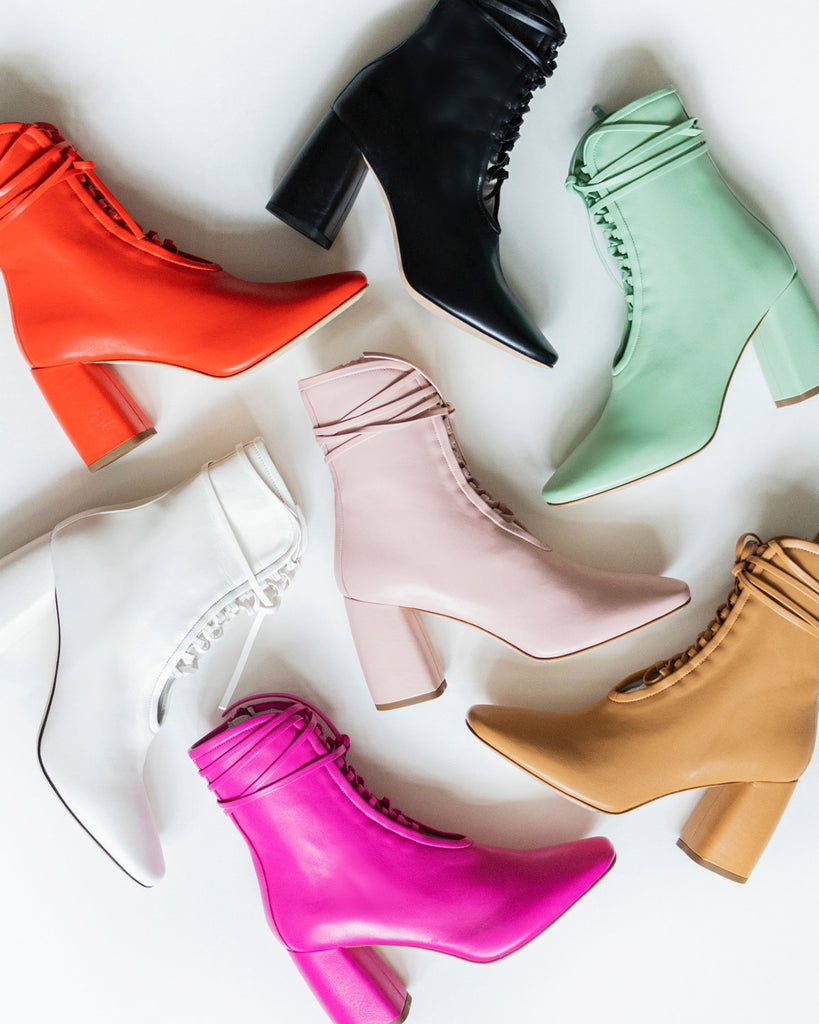


You’re probably reading this with a pair of beautiful shoes under your desk and a backup pair of flats in your tote. I know that routine well, and I’ve built my career around ending it.
The best walking dress shoes are not the softest shoes or the prettiest shoes. They’re the shoes engineered to carry your body correctly, then finished with enough refinement that you’d still wear them to a meeting, dinner, wedding, or flight to Europe.
The End of the Backup Pair of Flats
For years, women have been told to accept a ridiculous compromise. Look polished, then suffer for it. Commute in sneakers, switch in the lobby, keep flats in your bag, and pretend that’s normal.
I don’t accept that. Luxury should support your life, not interrupt it.
A walkable dress shoe starts with structure, not marketing language. It needs thoughtful cushioning, a stable heel geometry, materials that flex where your foot flexes, and a fit that feels more like a glove than a costume. If a shoe looks elegant but collapses after two hours on pavement, it failed the assignment.
I design from a simple belief. A shoe should carry you from the first coffee run to the last dinner reservation without asking for rescue.
That’s why I pay attention to details many brands ignore:
- How the foot lands: The shoe has to absorb impact without making the sole bulky.
- How the weight is distributed: If all your pressure drops into the ball of the foot, the design is wrong.
- How the upper behaves: Beautiful leather means nothing if it cuts, rubs, or fights your stride.
I’ve worn shoes through airports, factory floors, city sidewalks, and long event days. The pairs worth keeping always share the same discipline. They don’t just look refined. They’re built for movement.
A good dress shoe shouldn’t require a second shoe waiting in your bag.
If you’re shopping for office pairs first, start with this practical guide to office shoes for women. It addresses the primary question most women have, which is not “Is it stylish?” but “Can I live in it?”
What Truly Defines a Walkable Dress Shoe
The market has changed because women have changed what they demand. The global formal shoes market is projected to grow from $6.7 billion in 2024 to $10.6 billion by 2030, and reviews in the category prioritize comfort at 21.9%, style at 15.8%, and quality at 13.2%, according to dress shoe market data and review trends.
That doesn’t surprise me at all. Women are done buying shoes that only work while sitting down.

When I design a shoe, it’s not about forcing the foot into a shape. It’s about creating a shape that cradles the foot. I often say a great shoe should function like a chair for the feet. You notice the bad one immediately. The good one lets you keep living.
Foundational support
The first pillar is support under the foot, especially through the arch and heel.
A walkable dress shoe should help the foot hold its natural position. It shouldn’t ask your muscles to overwork all day just to keep you upright. If the footbed is flat, hard, or decorative rather than supportive, fatigue arrives fast.
What you want instead:
- A shaped insole: It should support, not merely cushion.
- Targeted heel hold: Heel slip creates friction, and friction becomes fatigue.
- Pressure management: The forefoot cannot take the full burden of the shoe.
Stable geometry
Most women can feel bad geometry within minutes, even if they don’t know the term for it.
Heel pitch matters. So does where the heel sits under your body, how the arch rises, and whether the shoe keeps your weight centered. A beautifully made heel can still be miserable if the angle is wrong.
Practical rule: If you feel pushed forward the moment you stand, the shoe is asking the ball of your foot to do too much work.
A well-balanced heel doesn’t feel flimsy or precarious. It feels planted. You stand taller because your body isn’t busy compensating.
Supple structure
Softness alone isn’t enough. Sloppy shoes get tiring too.
You need a structure that flexes in the right places and holds in the right places. That’s where handcrafted construction and material choice matter. Good leather, thoughtful lining, and precise shaping allow the upper to move with the foot instead of scraping against it.
Here’s the difference I look for when testing:
| Feature | Poorly designed dress shoe | Walkable dress shoe |
|---|---|---|
| Upper feel | Stiff, fights the stride | Flexes with the foot |
| Heel hold | Slips or pinches | Secure and stable |
| Forefoot pressure | Concentrated and harsh | Better distributed |
| End-of-day comfort | Rapid fatigue | Consistent support |
Later in the process, I also watch the shoe in motion. A shoe can look impeccable in a fitting chair and fail completely on pavement.
This short visual gives a helpful sense of what support should look like in a dress shoe:
What I trust when I test
I don’t judge comfort by the first thirty seconds. I care about what happens after the walk to work, the standing meeting, the lunch run, and the final trip home.
My personal checklist is simple:
- Does the shoe stay balanced as I tire?
- Does the upper soften around the foot instead of digging in?
- Does the shoe remain elegant without becoming precious?
That’s the standard. If a shoe can’t pass a real day, it isn’t one of the best walking dress shoes.
The Technical Features You Must Prioritize
Most brands stop at the word “comfort.” I’m interested in mechanics.
A shoe either reduces fatigue or it doesn’t. It either moves with your gait or resists it. If you want the best walking dress shoes, you need to inspect the features that create walkability.

Cushioning must have layers
Single-layer padding is one of the biggest disappointments in luxury footwear. It feels pleasant at first touch, then flattens under pressure and leaves you standing directly on the structure of the shoe.
I prefer a layered approach because the foot needs different things from different zones. The heel needs impact control. The arch needs support. The forefoot needs rebound and pressure dispersion.
When we test foam, I care about two sensations:
- Shock absorption on landing
- Energy return after compression
If the cushioning absorbs impact but feels dead, you’ll drag by late afternoon. If it rebounds too aggressively without support, it can feel unstable. The balance matters.
Heel pitch decides whether you can last
Women often blame themselves when a heel hurts. Usually, the shoe is the problem.
Heel pitch is the relationship between heel height and the rise of the forefoot. Two shoes can measure similarly in height and feel completely different because the pitch is different. One lets your weight settle more evenly. The other dumps you forward.
That’s why a well-made stiletto can feel easier than a poorly made block heel. Height alone tells you very little.
Here’s how I read pitch in practice:
- Too steep: Burning forefoot, curled toes, constant urge to sit
- Too flat for the design: Awkward posture, unstable stride
- Well judged: Upright posture, smoother rollover, less pressure concentration
A poorly designed stiletto feels like balancing on a nail. A well-designed heel behaves like a column.
Construction matters more than branding
The most overlooked comfort decision in dress shoes is how the sole is attached.
For immediate comfort, I favor Blake Stitch construction over traditional Goodyear welted dress construction in many refined walking styles. According to this breakdown of comfortable dress shoe construction, Blake-stitched shoes are 20 to 30% lighter, break in in under one week, and have been shown to cause 40% less discomfort after an 8-hour day, while Goodyear welted shoes often need 2 to 4 weeks to soften.
That matters if you walk in your shoes.
The reasons are practical:
- Less weight: Lighter shoes are easier to live in all day.
- More flexibility: The sole moves with your stride faster.
- Faster break-in: You don’t need to suffer through weeks of stiffness.
Goodyear welt has its place. I respect it. But if your life involves commutes, airports, meetings, and dinners on the same pair, immediate flexibility often wins.
If you have a high instep or pronounced arch, this becomes even more important. This guide to shoes for high arch is worth reading because arch shape changes how a shoe bends and how pressure builds through the foot.
The sole must flex without collapsing
A rigid sole can look polished and still be punishing. A sole that flexes appropriately allows the foot to roll through the step instead of slapping down.
That doesn’t mean flimsy. I dislike shoes that twist too easily because they often sacrifice support. I want controlled flexibility, especially at the forefoot.
A useful way to judge this in store:
| What to test | What you want |
|---|---|
| Bend point | Flex near the ball of the foot, not the mid-arch |
| Torsion | Some resistance, not total rigidity or total collapse |
| Heel stability | Secure contact, no wobble |
| Ground feel | Enough cushioning to mute harsh pavement |
Breathability is not cosmetic
Many women assume breathability matters only in summer. Not true.
A hot, poorly ventilated shoe creates swelling, friction, and fatigue. Breathable lining, perforation where appropriate, and uppers that don’t trap heat all affect whether the shoe still fits comfortably by evening.
This is one reason mesh booties, open-weave structures, and thoughtfully lined leather styles perform so well for long urban wear. They help regulate the internal climate of the shoe.
My non-negotiables
If I’m evaluating a pair quickly, these are the signs that separate a serious shoe from a decorative one:
- Balanced pitch
- Layered internal cushioning
- Flexible but stable sole construction
- Supple upper with secure heel hold
- Breathable interior
If a style misses two of those, I move on.
Why Do Most Luxury Heels Hurt Your Feet
Most luxury heels hurt because they are designed to be admired before they are designed to be worn.
That sounds harsh. It’s also true.
Brands often choose a sharper silhouette, a steeper pitch, stiffer materials, and minimal internal padding because those choices photograph well and preserve a certain visual language of luxury. The problem is that your foot has to pay for those decisions.
The usual design failures
The first failure is excessive forward pitch. The shoe throws body weight into the forefoot and leaves the toes gripping for stability.
The second is hard internal build. A stiff insole and thin sole may look elegant, but they don’t do enough to manage impact on pavement, stone, or hard event flooring.
The third is shallow cushioning. One thin comfort pad under the ball of the foot is not engineering. It’s decoration.
Biomechanical studies cited in this review of EVA and dual-density midsole benefits show that lightweight walking dress shoes using these materials can reduce leg fatigue by 25 to 35% during prolonged standing. The same source notes that these materials flex 50% more than traditional leather soles and lower peak ground reaction forces by 15 to 20%. That’s exactly why some shoes still feel decent at hour eight and others fail at hour two.
Beauty should not require injury
Women are often told their feet are difficult. Too wide. Too narrow. Too sensitive. Too flat. Too high-arched.
Usually, the issue is simpler. The shoe was made with poor mechanics.
Your foot is not failing the shoe. The shoe is failing your foot.
If you’ve dealt with recurring pressure through the arch or forefoot, this guide to arch supports high heels is a smart next read. It helps decode the difference between a supportive heel and one that only looks supportive.
What pain tells you immediately
Use discomfort as data. Specific pain points reveal specific design flaws.
- Burning in the ball of the foot: The pitch is too aggressive or the forefoot cushioning is too thin.
- Rubbing at the heel: The shoe isn’t holding you securely.
- Toe compression: The toe box shape values silhouette over anatomy.
- Whole-leg fatigue: The sole is too hard, too heavy, or not absorbing enough shock.
I’ve never believed that suffering proves a shoe is luxurious. Real luxury is precision. It’s the feeling that someone considered your body when they built the silhouette.
Your Curated Guide for Every Occasion
The best walking dress shoes change depending on where you’re headed. A boardroom, a wedding, and a European vacation don’t ask the same thing from a shoe.
Still, I come back to one principle. You should not need a backup pair.

For the executive who walks the city
This woman needs polish without fragility. She’s moving through office corridors, pavement, cabs, lobbies, and dinner reservations in one day.
My advice is simple. Choose a shoe with enough visual authority to finish tailoring, but enough structural intelligence to survive actual walking.
The best options are usually:
- Low-heel boots: They anchor the foot and often provide better hold through the instep.
- High-vamp pumps: They cover more of the foot and improve security.
- Refined loafers: Ideal when your calendar is heavy and your stride is long.
For this category, I prefer shoes with firmer lateral support and a stable base under the heel. A shoe can be feminine without being flimsy.
If loafers are part of your work wardrobe, this piece on Italian loafers for women is a useful reference point.
For the traveler packing one elegant pair
Travel is where bad shoes get exposed fastest.
Airport flooring, old city stone, long museum circuits, uneven sidewalks, and late dinners don’t care how expensive the shoe was. They care whether it was made to move.
There’s a real gap in the market here. Search interest for shoes suited to cobblestone travel has risen, with a 35% spike in searches for “shoes for European cobblestones” since April 2025, according to this look at the underserved cobblestone travel shoe niche. I’m not surprised. Women want one chic pair that can handle a walking itinerary without looking orthopedic.
For travel, prioritize:
- Secure heel hold: Loose shoes become exhausting on uneven stone.
- Flexible sole with traction: You need confidence on slick or irregular surfaces.
- Packable profile: Bulky shoes are a nuisance in real luggage.
- Day-to-night styling: The pair should work with trousers, dresses, and dinner looks.
A polished bootie often wins here because it protects the foot better than a delicate pump and looks finished enough for evening.
The right travel shoe should handle a museum staircase at noon and a white-tablecloth dinner at eight.
For the all-day event guest
Weddings, galas, and long celebrations produce the most emotional shoe decisions. Women buy for the outfit, then spend the event thinking about the exit.
Don’t do that.
For event wear, the winning profiles are usually the ones women once dismissed as “less sexy” and then end up wearing constantly. Block heels, sculpted mid heels, elegant sandals with supportive footbeds, and dressy pumps with substantial underfoot padding all outperform the fantasy heel that only works for photographs.
The event guest should look for:
| Occasion need | Best style direction |
|---|---|
| Outdoor wedding | Block heel or broader base with better ground contact |
| Long indoor reception | Cushioned pump or sandal with secure straps |
| Garden party | Stable heel, breathable upper, less sink into grass |
| Black-tie event | Refined heel with balanced pitch and hidden comfort structure |
My strongest opinion on occasion dressing
You don’t need separate standards for comfort and style. You need a stricter standard for design.
When a shoe is engineered well, it earns versatility. It can work with suiting, dresses, denim, and travel because it was built around movement first. That is the pair worth investing in.
If you’re deciding between two beautiful options, choose the one that feels calmer on the body. You’ll wear it far more often, and that’s always the better luxury purchase.
Finding Your Perfect Glove-Like Fit
A beautifully engineered shoe still fails if the fit is wrong, causing many women to give up on luxury footwear too early.
They assume they’re hard to fit. I don’t buy that. Most brands build to a narrow idea of the foot and call the rest of us exceptions.

If you have bunions or pressure points
You need room in the correct place, not a generally oversized shoe.
That means looking for a shape that respects the forefoot and an upper that can accommodate the foot without creating a sloppy fit at the heel. Stretch leathers, softer linings, and wider-feeling toe shapes are useful. So are styles that don’t force the foot into an exaggerated point.
A few fit rules I always suggest:
- Don’t size up excessively: You’ll create heel slip and instability.
- Check where the shoe breaks: The flex point should align with your foot.
- Pay attention to seam placement: A seam directly on a pressure point is a problem.
If you have narrow feet
Narrow-footed women often think they need only smaller sizing. Usually, they need more hold through the vamp and instep.
This is why high-vamp styles can be a gift. They wrap more of the foot and prevent that sliding feeling that makes even a beautiful shoe exhausting.
Look for these signals:
- More coverage over the top of the foot
- Snug heel cup
- Adjustability where possible
- An upper that molds without gaping
The right fit should feel secure, not squeezed.
If you have high arches
High arches often need both shape and softness. A flat interior can leave the arch unsupported, while an overly rigid shoe can create pressure instead of relief.
You want the foot to feel cradled. Not perched.
This is why trying shoes on properly matters. Walk, pause, turn, and stand still. A shoe that only feels good while moving can still fail you in meetings or events where you’re standing in place.
Fit should be personal
One thing I value deeply in old-world shoe culture is service. A good fitting process catches problems before they become disappointment.
If you have access to a skilled in-store fitting experience, use it. Professional stretching, guidance on shape, and honest feedback about what will or won’t relax can save you from buying a gorgeous mistake.
The best walking dress shoes often feel less dramatic in the fitting chair than the painful ones. That’s a good sign. Quiet comfort tends to age better than theatrical first impressions.
Extending the Life of Your Investment
A quality dress shoe should not be treated as disposable. If you buy well, wear thoughtfully, and care for the materials, the pair becomes part of your wardrobe architecture.
That’s one reason I believe in sustainable luxury. The smarter purchase is usually the shoe you’ll keep, repair, and rewear.
The care habits that matter most
You don’t need a complicated ritual. You need consistency.
- Rest your shoes: Let them dry and recover after wear.
- Condition leather: Supple leather stays more comfortable and ages better.
- Protect before damage: Don’t wait for salt, rain, or grime to settle in.
- Store with shape: Proper storage preserves line and fit.
For suede specifically, this guide on taking care of suede shoes is worth bookmarking. Suede rewards early care and punishes neglect.
Pack them properly when traveling
Travel can ruin a beautiful pair faster than daily office wear if you’re careless.
My packing rules are simple:
- Use dust bags
- Stuff the toes lightly to hold shape
- Keep heels from rubbing against uppers
- Never crush a shoe under heavy hardware or toiletries
Good travel footwear should be versatile, yes. It should also come home looking like itself.
Repair is part of luxury
The best relationship with a shoe starts after purchase, not before. Resole when needed. Refresh heel tips early. Stretch strategically if your foot changes. Repairing a pair you love is usually far wiser than replacing it with a compromise.
That’s also the ethic behind circular fashion. Buy less. Buy better. Keep the pair in motion as long as you can.
Written by Daniella Shevel, Designer & Founder
If you’re ready to stop carrying backup flats, explore Daniella Shevel for handcrafted, comfort-first luxury shoes designed for real walking, real workdays, and real life.