

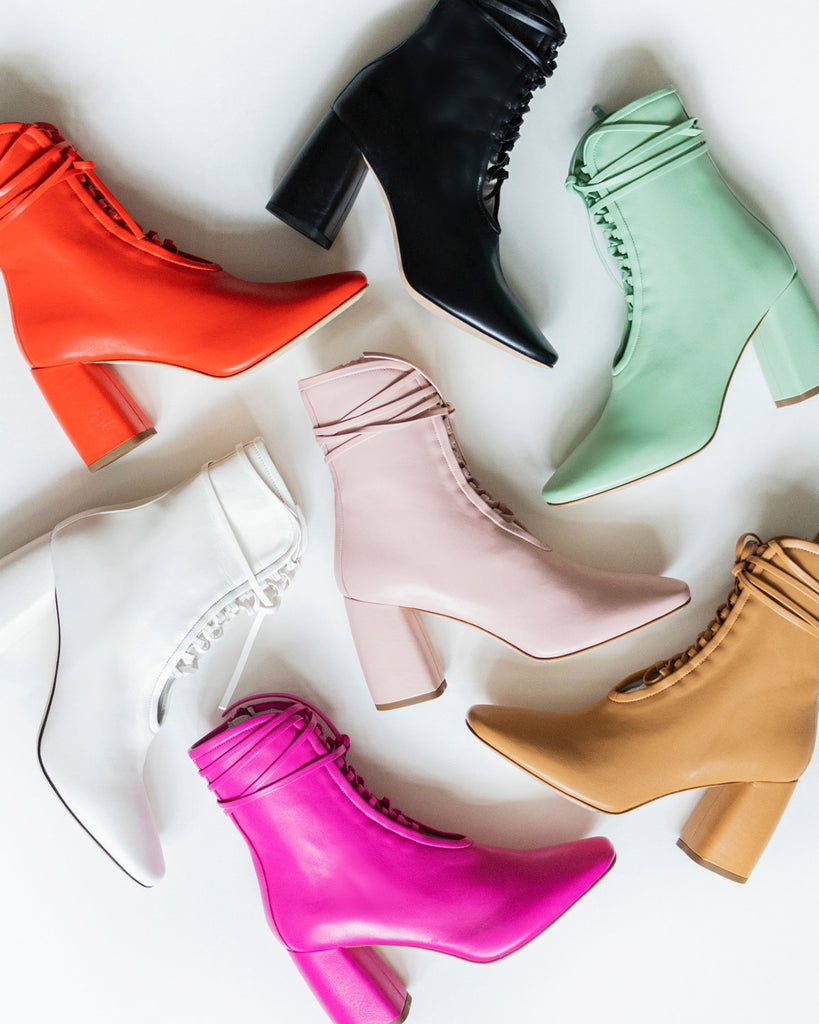


You're probably here because you love the look of animal print designer shoes, but you're also wondering if they'll feel like a smart wardrobe investment or a pair you admire once and rarely wear. The short answer is yes, they can absolutely earn a permanent place in your closet, if you choose the right print, the right silhouette, and the right construction for real life.
I've always believed bold shoes should work as hard as the women wearing them. Animal print isn't only about drama. In the right shape, with comfort-first design, it can function almost like a neutral and move easily from work to dinner, travel to events.
Finding Your Roar A Modern Guide to Animal Print
Most women don't hesitate because they dislike animal print. They hesitate because they're trying to avoid looking overdone.
That's a fair concern. A shoe can feel chic in a product photo and suddenly feel loud once it's on your foot, next to your actual wardrobe, on a Monday morning when you need polish more than performance dressing.
Why animal print still works
Animal print has staying power because it isn't a novelty. Its roots go back much further than modern fashion. Representations of people wearing leopard skins date to 2500 BC in Egypt, and the motif later became a fashion staple by the early 1930s. Its popularity then surged in the 1960s and 70s, when it became closely tied to confidence, glamour, and provocation, as outlined in this history of animal print in fashion.
That history matters.
A print that has moved from royalty and power to everyday accessories has already proven it can be reinvented. That's one reason animal print designer shoes remain relevant. They let you wear personality in a compact, controlled way.
Animal print works best when the shoe does the talking and the rest of the outfit gives it room.
The modern way to wear it
The easiest shift is mental. Stop treating animal print as a costume piece. Start treating it as a textural neutral with attitude.
That means:
- With tailoring: A snake-print pump can break up a navy or camel office look without disrupting it.
- With denim: A leopard flat gives straight-leg jeans and a knit more definition than a plain black shoe.
- With eveningwear: A restrained print on a clean heel often feels more interesting than metallics.
I also think women trust animal print more when the silhouette is refined. A pointed toe, a slim slingback, a walkable boot, or a sculpted flat gives the print structure. That's why curated styles like the printed snake collection feel so wearable. The print is expressive, but the overall impression is still clean and composed.
Confidence is the point
The right pair doesn't ask you to become someone else. It sharpens what you already wear.
If your closet is full of black, cream, camel, denim, olive, chocolate, and soft tailoring, you already own the perfect backdrop. Animal print designer shoes often look most elegant in wardrobes that are otherwise disciplined.
That's the secret. The print is wild. The styling isn't.
Choosing Your Print The Art of Scale Material and Silhouette
Buying animal print designer shoes gets easier once you stop asking, “Do I want leopard or zebra?” and start asking three better questions. How large is the print? What is it printed on? What shape is the shoe?

Many shoppers now wear animal print as a versatile wardrobe neutral, and the purchase criteria that matter most are fit, cushioning, and durability, especially when comfort details like memory foam and glove-fit construction are part of the design logic, as noted in this discussion of comfort-led animal print footwear.
Print scale changes the mood
Scale is the first filter I'd use.
A tighter, smaller print usually reads more polished. It blends into an outfit and gives interest without commanding the whole look. A larger zebra stripe or high-contrast snake pattern reads bolder and more directional.
Use this as a quick guide:
- Micro or subtle prints: Better for offices, first-time buyers, and women who prefer quiet luxury.
- Medium scale prints: The easiest all-round option. They still feel distinctive, but they don't dominate.
- Large, graphic prints: Strong on boots and statement heels, especially with minimal dressing.
Material decides how luxe it feels
The same pattern can look completely different depending on surface and texture.
A smooth printed leather usually feels sleek and structured. An embossed finish gives more depth and often feels easier to style in professional settings. Hair-on or pony-style textures create richness, but they also ask for a bit more care and confidence.
If you care about longevity, material should never be an afterthought. I'd suggest reading more about handcrafted Italian leather shoes before you buy, because craftsmanship changes how the print wears over time, not just how it looks on day one.
Practical rule: If you want your print to function like a neutral, choose a material with visual depth but not too much shine.
Silhouette determines how often you'll wear them
Smart shopping takes place.
A print on a sharp stiletto may be perfect for dinners and events, but a print on a low heel, flat, or sleek boot will usually get more repeat wear. If your goal is cost per wear, the shape matters as much as the pattern.
A simple decision table helps:
| Silhouette | Best for | Watch out for |
|---|---|---|
| Pointed flats | Commutes, office, travel | Overly busy prints can shorten the leg line |
| Low block heels | Day-to-night wear | Heavy materials can feel visually dense |
| Ankle boots | Cold-weather styling, denim, tailoring | Very bold print scale can overpower petite frames |
| Stiletto pumps | Evening, events, sharper dressing | Less forgiving if comfort isn't engineered well |
If you want one versatile pair, start with a classic silhouette and a classic palette. That's where animal print becomes less of a risk and more of a signature.
Why Should Luxury Hurt It Shouldn't
You slip into a beautiful pair of animal print heels at 8 a.m., and by lunch you are already changing how you walk. That is a design failure, not the price of dressing well.
Animal print makes that failure easier to spot. A shoe with visual presence puts every weakness on display. If the fit is slightly off, you feel it faster. If the upper pulls across the foot, the print can skew at the seam. If the construction is stiff, the shoe looks polished for a photo and miserable in real life.

Comfort starts before the print goes on
A good animal print shoe is built from the inside out. In footwear development, fit is tested before surface detail matters. Last shape, pattern placement, upper tension, sole flexibility, and how the shoe breaks at the ball of the foot all need to work together. This shoe development and production walkthrough gives a useful look at how brands scan, prototype, grade, and refine a shoe before production.
That process matters even more with printed materials because mistakes are visible.
I watch for three problems right away:
- Pattern misalignment: the print breaks awkwardly at the seam, so the shoe looks cheaper than it is.
- Poor grading across sizes: the print placement works in one sample size, then looks unbalanced in smaller or larger sizes.
- Material conflict: the printed upper and the base material stretch or relax differently, which affects both comfort and appearance.
What I look for in real wear
By the time a woman has worn a shoe for four or five hours, she is no longer judging color or trend. She is judging pressure. She feels whether the padding has collapsed, whether the toe box is crowding, and whether the heel pitch is pushing too much weight forward.
That is the standard I use when I design and when I shop.
Daniella Shevel speaks directly to that in her guide on how to wear heels comfortably for long days. The right pair should support the arch, hold the foot securely, and distribute pressure well enough that you stay present in your day instead of counting the minutes until you can take them off.
A statement shoe earns its place by staying comfortable long after the first compliment.
Beauty without engineering is a short-term purchase
Luxury becomes an investment only if the shoe keeps its shape, comfort, and visual clarity after repeated wear. That is the trade-off many shoppers miss. A striking print can sell the shoe in seconds, but only good engineering justifies the spend.
In practice, that means checking details that are easy to overlook. Is the topline cutting into the foot? Does the vamp hold you in place without rubbing? Is the sole flexible where your foot naturally bends? Does the shoe still feel balanced after standing, walking, and sitting through a full day?
The best animal print designer shoes do more than make an outfit interesting. They work hard. They stay comfortable, they maintain their shape, and they give you enough versatility to wear them often. That is what turns a bold choice into a smart one.
Styling Animal Print From Boardroom to Black Tie
The reason I consider animal print designer shoes an investment category is simple. A well-chosen pair can do far more than one job.

For luxury buyers who care about longevity, the smarter frame is to see animal print as a high-repeat neutral when the silhouette is classic. That answers the core question many women have: will I still want to wear these in two years? This perspective on animal print as a lasting wardrobe choice gets much closer to the truth than most trend roundups do.
For the office
The office is where restraint matters most.
A pointed leopard or snake-print shoe works beautifully with:
- Smart trousers and a knit: Let the shoe replace jewelry as the focal point.
- A cream column dress: Add a printed slingback for contrast without visual clutter.
- A dark suit: Use print to soften severe suiting and make it feel more personal.
If your weekdays involve commutes, meetings, and dinner after work, keep the rest of the outfit tonal. That's how the print reads polished instead of busy. For more workwear-specific outfit ideas, I like this guide to office shoes for women.
For weekend travel
Travel is where a smart boot or flat really proves itself.
The pair I'd pack is the one that can handle jeans, trousers, and a knit dress without forcing outfit changes. A snake-print ankle boot works particularly well because it adds texture to simple packing lists and hides the repetition that naturally comes with travel dressing.
A practical travel formula looks like this:
| Travel day | Shoe role |
|---|---|
| Airport and transit | Adds polish to soft separates |
| Museum or city day | Grounds denim and a blazer |
| Dinner out | Feels intentional with black, ivory, or chocolate |
| Last-minute evening plan | Dresses up without needing a full outfit swap |
For weddings and events
Events are where women often make the wrong animal print choice. They buy the most dramatic pair instead of the pair they can wear for hours.
Smaller-scale prints and cleaner silhouettes usually win here. A refined heel with cushioning will carry you much further than a visually striking shoe with poor support.
If you're dressing for a celebration, this is worth watching before you decide on your outfit:
A few event rules I trust:
- Choose low contrast prints: They look more elegant in formal settings.
- Keep hemlines simple: Let the shoe add the texture.
- Prioritize wear time: If you're standing, greeting, and dancing, comfort beats novelty.
For wedding guests, that often means selecting a pair you'll wear again with tailoring, denim, or evening separates. That's what makes the purchase feel smart.
Protecting Your Investment Care and Sustainable Luxury
A true test of an investment shoe starts after the purchase. You wear it in real weather, store it in a crowded closet, pack it for trips, and ask it to keep its shape and finish through all of it.

Animal print needs a little more attention than a plain black pump because the surface tells on you faster. Scuffing, rubbing, uneven stretching, and careless storage show up quickly on printed haircalf, embossed leather, and coated finishes. Good care protects the look of the shoe, but it also protects the value of the choice.
Daily habits that preserve the finish
I always tell women to make care easy enough that they will do it. Complicated routines never last.
A few habits make the biggest difference:
- Wipe them after wear: Use a soft, dry cloth, or a brush if the material calls for it. Printed textures respond better to a light touch than aggressive cleaning.
- Store each shoe separately: Dust bags help prevent friction, color transfer, and surface scratching.
- Rotate your pairs: A shoe worn day after day has less time to recover its shape, especially through the vamp and heel counter.
- Respect the material: Haircalf, suede, and delicate finishes should not be treated like all-weather shoes.
What quality should protect
A well-made animal print shoe has to hold its pattern and shape while it bends, stretches, and supports weight. That sounds basic, but it is where weak construction shows up first.
I look for clean pattern placement, balanced seams, and an upper that returns to shape instead of looking strained after a few wears. If the print shifts awkwardly at the seam or the material collapses across the forefoot, the shoe starts to look tired early. Animal print is beautiful, but it is unforgiving. Precision matters more here than it does on a solid leather style.
Buy less, buy better works only when the shoe is designed to last and cared for like it matters.
Sustainable luxury is practical luxury
Sustainability, to me, starts with keeping good shoes in your wardrobe longer. That means choosing pairs you will rewear, maintaining them properly, and buying with enough discipline that every pair earns its place.
If that philosophy matters to you, read more about what sustainable fashion looks like in practice. The strongest wardrobe is not built on constant replacement. It is built on thoughtful purchases, materials that wear well, and silhouettes you still want to reach for next season.
That is one reason animal print can be such a smart investment piece. In the right silhouette, it gives you personality without limiting how often you can wear it. One comfortable, well-made pair that still looks polished after years of use is a far better purchase than several trend pairs that never become part of your real life.
Walk on the Wild Side With Confidence
Animal print designer shoes aren't difficult to wear. They're difficult to choose well. Once you focus on scale, material, silhouette, and comfort, the category becomes much less intimidating and much more useful.
That's what makes them worth considering as an investment. They can sharpen a work look, enhance travel outfits, and bring personality to event dressing without requiring a whole new wardrobe. The print has presence, but the ultimate luxury is how naturally it fits into your life.
I'd always rather see a woman in one beautifully made, comfortable pair she reaches for often than in a closet full of shoes she admires but avoids. That's the difference between trend buying and building a wardrobe with confidence.
If you've been curious but cautious, start with the pair that feels most like you. A refined snake print. A subtle leopard. A polished flat. A walkable boot. The goal isn't to wear something louder. It's to wear something smarter.
Written by Daniella Shevel, Designer & Founder
Ready to find the pair that works from morning meetings to evening plans? Explore the latest styles at Daniella Shevel and shop animal print designer shoes with a comfort-first, investment-minded point of view.