

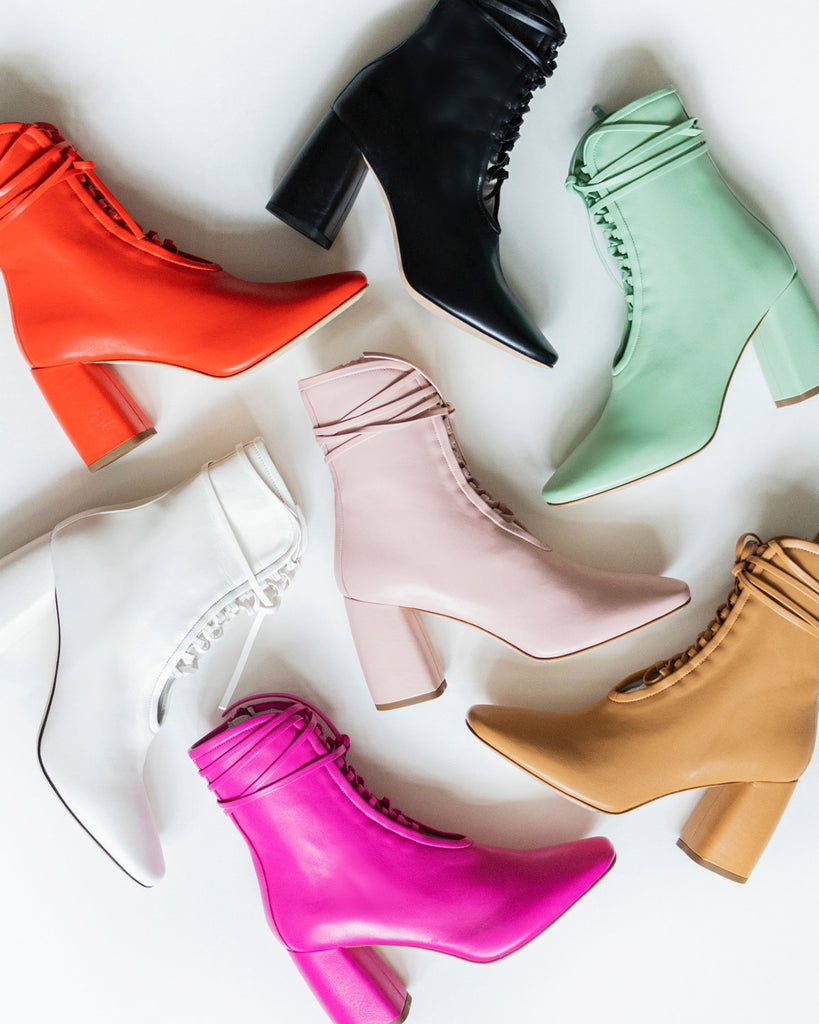


Ballet inspired heels combine the elegant silhouette of a ballet slipper with a low-to-mid heel designed for real wear, and 4 cm is a strong benchmark because it offers lift while staying functional for hours of use. If you're tired of carrying a backup pair of flats, this is the category that makes the old tradeoff feel outdated.
You know the ritual. You leave home in polished heels, you look great for the first meeting, and by late afternoon you're mentally calculating the shortest route to a chair. By dinner, your beautiful shoes have turned into a negotiation.
That's why I care about ballet inspired heels. Not the gimmicky kind that borrow a bow and call it comfort. I mean the styles that keep the clean, refined line of a ballet shoe and add real structure, balance, and softness where your foot needs it.
The appeal isn't new. Ballet flats entered modern commercial fashion in 1947, when Rose Repetto created hand-stitched flats in Paris, and the style became widely visible after Brigitte Bardot wore them in And God Created Woman in 1956 and Audrey Hepburn wore them in Funny Face in 1957, a history outlined in this ballet flat timeline. That lineage matters because women have always wanted the same thing: elegance that doesn't ask for suffering.
If your wardrobe still assumes pain is the price of polish, start by rethinking your office shoes for women. A smarter heel should carry you from commute to cocktails without a shoe change.
The End of the Backup Flat
The backup flat became normal because most heels were designed for the mirror, not for a full day. They looked sleek on the shelf, then failed in motion. A narrow toe pinched, the pitch threw weight forward, and the materials fought your foot instead of adapting to it.
Ballet inspired heels solve that problem when the designer gets the fundamentals right. The line is cleaner than a bulky comfort shoe, but the shape is still grounded in movement. That matters for women who need one pair to handle elevators, sidewalks, dinners, and standing conversations that always run longer than expected.
Why this category keeps coming back
The enduring appeal is simple:
- It looks disciplined: The silhouette is restrained, not fussy.
- It styles easily: It works with suiting, denim, dresses, and travel wardrobes.
- It respects movement: The best versions feel composed while walking, not just while sitting.
You shouldn't need a “pretty shoe” and a “real life shoe.” One pair should do both.
That's the standard I'd use when shopping. If a heel demands a rescue plan, it's not luxurious. It's incomplete.
The Anatomy of Ballet Inspired Design
A ballet inspired heel should look light, but it can't be flimsy. The line comes from ballet. The comfort comes from engineering. If you want to shop well, you need to judge both.
The design language reaches back centuries. The history of ballet shoe design traces a long evolution from French court dance shoes with heels in 1680 to Marie Camargo removing them in the 1730s to improve footwork. That shift matters. The original lesson of ballet footwear was not decoration. It was movement.
What to look for first
Start with the silhouette. A good ballet inspired heel usually has:
- A refined toe shape: Rounded or gently pointed, but not aggressively sharp.
- A secure vamp: Enough coverage to hold the foot without slicing across it.
- A clean upper: Fewer seams usually means a calmer fit and a more polished line.
The toe box is where many brands get lazy. If it's too tapered, the shoe may look elegant but will crowd the forefoot fast. If it's too round, the shoe can lose the grace that makes this category appealing in the first place.
The details that separate a fashion shoe from a wearable one
I look for restraint. Not overbuilt padding that makes the shoe clunky. Not theatrical hardware. Not random ballet references.
I want three things:
-
A higher-feeling sense of containment
The foot shouldn't slosh forward. It should feel placed. -
A balanced topline
If the opening is cut too low, the shoe often loses security. -
Materials that soften with wear
Handcrafted leathers and carefully shaped uppers matter more than decorative extras.
For a visual reference, compare that idea against sleek flat-based designs like these black patent leather ballet flats. The heel version should preserve that same disciplined simplicity.
Design rule: If a shoe borrows ballet aesthetics but ignores foot hold, it's costume, not craft.
If you're shopping for a pump, I'd choose a style with an elegant vamp, a stable heel placement, and enough room for the toes to lie naturally. That's the difference between a shoe you admire and a shoe you wear.
For readers who want a product starting point, look at a classic pump silhouette such as Isabella and judge it by those standards. Clean line. Secure fit. No unnecessary visual noise.
Why Can You Wear These Heels All Day
Comfort in heels isn't magic. It's geometry, materials, and discipline in the design process. Most women don't need sky-high shoes made “more comfortable.” They need a lower, better-balanced heel that stops fighting basic biomechanics.
One useful benchmark comes from classic Italian ballet-inspired styles that use a 4 cm heel, a height described in this reference on classic high heel ballet flats as a subtle lift that can reduce strain on the Achilles tendon while staying low enough to minimize forefoot pressure and instability. I like that range because it gives you polish without the drama.

Heel pitch matters more than most women realize
Height alone doesn't tell you enough. Pitch is what decides whether your weight drops aggressively into the ball of the foot or stays more evenly distributed.
A well-designed ballet inspired heel usually feels calmer because:
- The lift is moderate: Your foot isn't shoved steeply downward.
- The heel sits in the right place: Balance improves when placement supports your stride.
- The forefoot isn't overloaded: Less pressure often means less fatigue over time.
When we test cushioning in a shoe, we don't just press the insole with a thumb and call it comfort. We wear the prototype, walk in it, stand in it, and pay attention to what happens after the novelty wears off. Good memory foam helps, but foam alone won't rescue a bad last.
Materials decide whether comfort lasts past the first hour
At this level, luxury must prove its merit. Soft Italian or Portuguese leathers can mold to the foot in a way stiff synthetic-feeling uppers don't. Flexible construction also matters because a foot needs some give as the day goes on.
What I'd prioritize:
- Arch support: Enough structure to prevent that collapsed, tired feeling.
- Cushioning with rebound: Soft is nice. Soft that still supports is better.
- A glove-like upper: The shoe should conform, not scrape.
- Sole flexibility: Not floppy. Just responsive enough to move with you.
If you want a deeper breakdown of heel comfort mechanics, read how to wear heels comfortably. It's the kind of information every woman should know before she buys another “special occasion” shoe she'll resent by dessert.
A heel earns its place in your wardrobe when you forget about it while wearing it.
That's my standard. Anything less is just good marketing.
A Silhouette for Every Occasion
Not every ballet inspired heel has to look like a classic pump. The smarter way to build a wardrobe is to treat this as a design family, not a single shoe type. Once you understand the DNA, you can choose the silhouette that suits the job.

The comparison that matters
| Silhouette | What it does well | Best use |
|---|---|---|
| Classic pump | Keeps the line polished and minimal | Office, dinners, formal daytime events |
| High-vamp bootie | Adds hold and coverage | Commutes, cooler weather, long city days |
| Slingback | Feels lighter and more open | Spring events, warm-weather dressing |
| Block heel sandal | Gives grounded stability | Outdoor parties, vacations, long celebrations |
A pump is the strictest interpretation. It's elegant, versatile, and usually the easiest way to wear the ballet influence into a professional setting.
A high-vamp bootie gives you more containment. That's why styles like ROMI work so well for women who walk a lot or want a fashion-forward shape without giving up security.
Which one should you buy first
If you're building from scratch, choose based on your life, not fantasy styling.
- For work: Start with a pump or a low-heel boot.
- For events: Choose a slingback or an ankle-strap heel with a stable base.
- For travel: Pick the silhouette that gives the most hold without feeling heavy.
- For outdoor wear: Reach for a block heel. Thin heels and grass don't belong together.
If you want one pair that crosses the most situations, I'd start with a neutral pump or a sleek bootie. Then add an event-specific shape second.
A practical next step is browsing a full assortment of heels and boots instead of only shopping by trend. Explore the designer heels collection if you're comparing silhouettes for office-to-evening wear, and keep a women's boots edit in mind if you want more coverage and support.
How to Style Your Ballet Heels
Styling ballet inspired heels is easy when you stop treating them like delicate occasion shoes. Their strength is versatility. They can sharpen tailoring, soften eveningwear, and simplify travel packing if you choose the right shape.
The market still has a problem, though. Many brands use “ballet” as shorthand for comfort without addressing what supports prolonged wear. This discussion of comfort demand in women's flats notes that foot comfort remains a top purchase driver, while many shoppers still deal with pain and switch shoes after a few hours. Exactly. The label means nothing if the build is wrong.

The Executive Commuter
For work, keep the outfit lean. Ballet inspired heels already carry softness in the line, so pair them with sharply cut pieces that bring structure.
Try this formula:
- Trousers with a clean break: Cropped or full length, but not puddling.
- A fitted knit or silk blouse: You want balance, not bulk.
- A high-vamp heel or low boot: It feels secure and reads polished.
A style like CLEO works well with cigarette pants, a blazer, and a long coat because it gives enough hold for movement while keeping the outfit sharp. If your office wardrobe lives in black, navy, camel, or cream, this category slots in beautifully.
For readers shopping by use case, browse work-ready footwear and compare shapes that can handle a full schedule without looking utilitarian.
Wear the elegant shoe to work. Just make sure it's designed for walking into the room, not only sitting in it.
The Wedding Guest
Women frequently make their worst shoe decisions. They buy a heel for photographs and regret it before the first course.
A better approach is a dressy ballet inspired silhouette with support, softness, and a stable base. Metallic leather, soft mesh, or refined satin-adjacent textures work well because they feel celebratory without locking you into a one-time shoe.
What I'd pair:
- A midi dress with a low-to-mid heel slingback
- A column dress with a sculptural pump
- A garden wedding look with a block heel sandal
If that's your category, go straight to comfortable wedding shoes for guests. Buy the pair you can stand in, dance in, and wear again with smart separates later.
The Global Traveler
For travel, one pair has to earn luggage space. That means no shoes that only work with one outfit and no precious styles that collapse after a day of walking.
Choose a ballet inspired heel in a neutral shade and wear it with:
- relaxed trousers and a crisp tee for museum days
- dark denim and a blazer for dinner
- a knit dress for an easy day-to-night switch
A sleek pump or bootie in soft leather is often the best investment because it moves across settings. It also photographs well, which matters more than most women admit.
If your packing list is doing too much, streamline it with travel-friendly designer shoes. The right pair should handle airports, dinners, and city walking without demanding a second shoe bag.
Your Guide to Buying and Caring for Your Investment
A beautiful shoe is only worth the money if you'll wear it often and keep it in shape. That's why I'm firmly in the buy less, buy better camp. One handcrafted pair that fits properly beats a shelf full of compromise purchases.
What to check before you buy
When you try on ballet inspired heels, don't focus only on first-step softness. That's how women get fooled.
Check these points instead:
- Toe placement: Your toes should rest naturally. No curling, no crowding.
- Heel security: Your foot shouldn't slip upward with every step.
- Arch feel: Support should feel present, not aggressive.
- Material response: Good leather should feel supple, not plastic-coated.
- Walking test: Take more than a few steps. Turn, stop, and stand still.
If a shoe already pinches in the store, don't romanticize it. It won't become your soulmate after one wear.
How to make them last
Care is part of luxury. If you ignore it, even excellent shoes age badly.
My basic care rules:
- For suede: Brush gently and deal with marks early. This guide on taking care of suede shoes is worth saving.
- For leather: Wipe after wear, condition when it starts to look thirsty, and store with shape support.
- For soles and heels: Repair early. Waiting always costs more.
- For rotation: Don't wear the same pair every single day. Let materials recover.
Practical rule: The moment a shoe starts showing stress, maintain it. Don't wait until damage becomes structural.
If sustainable luxury matters to you, look for brands that support repair, longevity, and circular programs rather than pushing disposable trend cycles. That's the version of fashion I trust.
The Daniella Shevel Difference Handcrafted for Real Life
I care about shoes that perform because I know how easy it is to design for fantasy. It's harder, and far more interesting, to design for a woman's actual day.
When I develop a style, I think about how it feels at hour one and hour six. I think about New York sidewalks, standing dinners, airport floors, and the woman who wants elegance without needing a backup plan. That's why fit testing matters. That's why factory relationships matter. And that's why small-batch production in Italy and Portugal still means something.

There's also a difference between saying a shoe is handcrafted and understanding what that should produce in the final fit. Better materials should mold more gracefully. Better pattern work should hold the foot more intelligently. Better construction should support day-to-night versatility without turning the shoe bulky.
If you want to understand that approach more closely, read about small-batch handmade Italian shoes. It's the craftsmanship side of the conversation most shoppers never get to see.
One option in this space is Romi Booties in Black Mesh, which combines a secure, high-vamp feel with a lighter visual effect. If you prefer a classic pump profile, Isabella is the cleaner route. For evening dressing, Nola is the kind of silhouette that can move from eventwear into repeat use.
Luxury should feel good on the foot. If it doesn't, it's missing the point.
If you're ready to stop packing emergency flats and start buying shoes that support the way you live, explore Daniella Shevel. Start with a silhouette you can wear from day to night, then build a tighter, smarter wardrobe around it.