

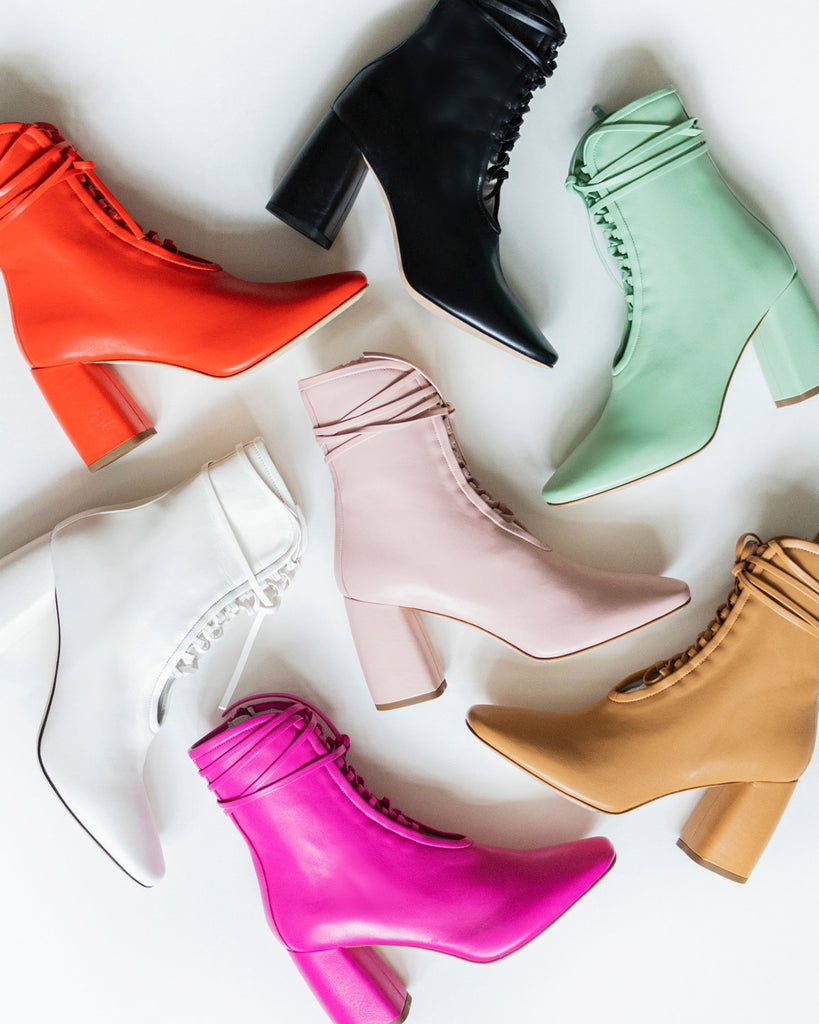


TL;DR: The best stylish shoes for walking all day are not just sneakers. The right heels, boots, and dress shoes use advanced cushioning, stable construction, and forgiving materials, and some comfort-driven designs can lower foot fatigue by 40% over an 8-hour period while accommodating fit issues with a 20-25% greater forefoot volume than traditional designer heels.
You know the day. Coffee meeting at 8, office by 9, three cross-town appointments, a dinner you can't cancel, and somehow your shoes are expected to look polished at every stop.
Most women have been taught to solve this with compromise. Wear the chic shoe for the entrance, then stash flats in a tote like a secret apology. I reject that completely. Luxury should not be painful, and elegant shoes should be built to move.
As a designer, I've spent years obsessing over what most brands hide under the insole. The difference between a shoe that looks good in a product photo and one that still feels good after hours on your feet comes down to engineering, craftsmanship, and fit discipline. If you want high-fashion shoes you can walk in, you need to shop with a sharper eye.
Written by Daniella Shevel, Designer & Founder
Beyond Sneakers The Search for True All-Day Style
A woman leaves her apartment in Tribeca wearing well-fitted trousers, a sharp coat, and boots that make her feel like herself. By noon, she is thinking about her feet instead of her work. By six, she is negotiating with pain. By eight, the shoes are under the table.
That routine is absurd. The problem is not ambition. It is bad design.

Most advice about stylish shoes for walking all day still collapses into sneaker lists. Even the broader comfort conversation has left a clear gap for women who need polished heels, boots, and dress shoes that still read executive, elegant, or evening-appropriate. That gap is obvious in coverage around non-sneaker shoes comfortable enough to walk for miles, where the pain point is familiar: shoes that start hurting after a short stretch because athletic comfort gets prioritized over glove-fit construction and cushioning inside dressier silhouettes.
The woman I design for
She isn't looking for one more casual shoe.
She wants:
- Office authority: A shoe that works with suiting, not athleisure.
- Day-to-night versatility: Something she can wear to dinner without looking like she came from a running errand.
- Real stamina: A pair she can trust when the day expands without warning.
I hear this constantly from customers in New York. They don't want backup flats. They want one pair that holds its line.
Practical rule: If a shoe only works when you're mostly sitting, it's not an all-day shoe. It's a photo shoe.
Why the market keeps missing the point
Sneakers are easy to recommend because they solve comfort in the most obvious way. But they don't solve polish, authority, or evening relevance.
The smarter question is not, "What shoe can I survive in?" It is, "What shoe lets me look intentional all day without paying for it physically?" That's the standard I use, and it's the standard I want you to use too.
If you're trying to sort through the difference between dress shoes that are merely attractive and dress shoes that are engineered to move, start with this guide to best walking dress shoes. It addresses the category a lot of generic comfort roundups ignore.
What Makes a Stylish Shoe Truly Walkable?
A beautiful shoe earns its place by how it carries you at 8 a.m., 2 p.m., and 8 p.m. If it looks exquisite on the shelf but changes your stride by lunchtime, it is costume, not design.
Comfort works as a system. The best walking heels, boots, and dress shoes manage pressure, keep the foot steady, and fit with enough precision that your body can relax into the motion of walking instead of correcting the shoe at every step.

Cushioning must do more than feel soft
Softness is a first impression. Endurance is the true test.
What matters is how the shoe handles repeated impact over hours, especially at the heel, arch, and ball of the foot. According to RunRepeat's walking shoe guide, the proprietary three-part memory foam cushioning system used in Daniella Shevel shoes can lower foot fatigue by 40% over an 8-hour period, using a viscoelastic heel strike layer, a contoured arch-support mid-layer, and a responsive forefoot layer.
That is the difference between padding and engineering. One flat slab of foam feels pleasant in a fitting room. Zoned support keeps the foot fresher after blocks of walking, staircases, commutes, and long standing periods.
Structure decides whether you glide or grip
Many stylish shoes fail because the architecture is weak. The foot starts gripping for balance. Calves tighten. Toes press down. Fatigue arrives far earlier than it should.
Check the frame carefully:
- A stable heel base: The heel should land cleanly and give you confidence on pavement, tile, and polished floors.
- A supportive sole shape: The outsole should encourage a smooth forward roll instead of collapsing under pressure.
- Controlled flexibility: The shoe should bend at the ball of the foot, not buckle through the middle.
A refined silhouette means nothing if the chassis is wrong.
Pitch is what separates wearable heels from sitting heels
Women ask about heel height. Designers should talk more about pitch.
Pitch is the angle pushing your weight forward. When it is too steep, pressure floods the forefoot and the shoe starts feeling punishing almost immediately. Burning, numbness, and that urgent need to sit down usually start here.
A well-balanced heel distributes weight with discipline. I would choose a slightly higher heel with intelligent pitch over a lower heel with poor balance every time.
If the front of the shoe feels overloaded while you are standing still, walk away.
Materials either refine the fit or ruin it
Fine materials get more graceful with wear. Inferior materials get harsher.
I look for uppers that adapt without collapsing, linings that reduce friction, and finishes that let heat escape. Stretch leather, refined mesh, and soft interior construction matter because swelling and rubbing are often material problems before they become fit problems. If you have a narrower foot, start with shoes built for that shape rather than trying to force a standard fit to behave. This guide to women's narrow dress shoes is a smart place to begin.
My checklist for all-day elegance
When I assess whether a shoe deserves a full day on my calendar, I look at five things:
- Underfoot support: There should be distinct cushioning under the heel, arch, and forefoot.
- Weight distribution: The shoe should keep you centered instead of pushing you onto the ball of the foot.
- Upper response: The material should adapt to the foot without stretching out of shape.
- Walking stability: You should be able to move briskly without shortening your stride.
- Toe space: The front should give your toes room to rest naturally while keeping a polished line.
That is the standard. A stylish walking shoe is not just attractive and not merely tolerable. It is engineered to let you move through a demanding day looking composed, expensive, and completely in control.
How to Solve Common Fit Problems for Good
A beautiful shoe that fights your foot is a bad purchase. If you feel pressure, sliding, or rubbing in the first few minutes, the problem is structural, and no amount of wishful thinking will fix it.
Most recurring fit problems come from shape mismatch, not weak tolerance. Once you learn to identify the mismatch, you stop wasting money on shoes that look exquisite in the box and feel miserable by noon.

If you have bunions or forefoot sensitivity
Start with shape. A soft upper helps, but it cannot compensate for a cramped front.
What you want is a shoe with real volume across the forefoot, a toe box that lets the foot sit naturally, and material that gives at pressure points without losing its line. Analysts cited in Runner's World coverage on walking shoe design point to forefoot room and reduced friction as major factors in walkability. That is exactly right. Bunion pain usually begins with compression.
You can still wear a pointed silhouette. I do. The difference is internal architecture. The exterior can stay sharp while the interior allows the forefoot to spread as you walk.
If your heel slips
Do not size down reflexively. That mistake trades one problem for another.
Heel slip usually comes from poor hold through the back of the shoe, a vamp that cuts too low, or an upper that refuses to move with the foot. The fix is better containment. Look for a higher vamp, a more secure topline, and an upper that grips gently instead of sitting stiff and detached.
Buy for your foot's shape, not the number on the sole.
If you have narrow feet
Narrow feet need precision. Padding stuffed into empty space is a temporary trick, not a solution.
Choose shoes with real adjustability or natural containment. Lace-ups, higher-cut fronts, ankle support, and straps that pull the shoe inward all work well. If luxury styles usually feel loose even when the length is correct, start with a fit-specific guide to women's narrow dress shoes.
If you have high arches
High arches create pressure from two directions. The foot needs support underneath and freedom across the top.
Avoid shoes with flat interiors and shallow uppers. They force the arch to work harder while pressing on the instep. Choose contoured support, soft interior padding, and uppers with enough flexibility to accommodate height without looking bulky.
The fit test I recommend in-store
A mirror tells you almost nothing. Walk.
Use a hard floor first, because carpet flatters bad shoes. Turn quickly to test stability. Stand still long enough to notice heat building in one spot. Pay attention to whether your toes relax or start gripping. Then check your stride. If the shoe makes you shorten it, the shoe is in charge.
Small adjustments matter. At our NYC flagship, we offer stretching because a very good fit can become an excellent one with careful refinement. That is what luxury should provide. A polished shoe should work with your foot, your schedule, and your standards.
The Right Foundation for Every Occasion
You leave home at 7:30 in a sharp coat and a beautiful shoe. By 3:00, the wrong pair has changed your posture, shortened your stride, and made every plan after work feel optional. That is why occasion matters. Style has to answer to real life.
I design and buy by scenario, not by label. A pump can be superb for a presentation and miserable for a train platform. A boot can look polished enough for a client lunch and still handle rain, stairs, and a long walk home. The smart choice is the one that suits the surface, the pace, and the number of hours you will spend on your feet.
Women with demanding schedules often cover far more ground than they expect between commutes, meetings, errands, and evening plans. Shoe construction decides whether that effort feels controlled or draining. The foundation matters. Heel shape, pitch, sole flexibility, grip, and upper support matter more than whatever category the box claims.
My quick rules by scenario
- For commuting: Choose a low block heel, a sleek boot, or a structured flat with genuine underfoot support.
- For presentations and office days: Wear a refined pump only if the heel is stable and the pitch keeps your weight centered.
- For travel: Choose coverage, traction, and an upper that moves with the foot instead of fighting it.
- For weddings and galas: Prioritize security and balance. Formal shoes still need to survive hours of standing, walking, and dancing.
Choosing Your Perfect All-Day Shoe by Occasion
| Scenario | Ideal Heel/Sole | Key Benefit | Daniella Shevel Style Example |
|---|---|---|---|
| Daily commute | Low block heel or structured flat sole | Balance on pavement and longer wear time | NOLA styles |
| Boardroom and client meetings | Mid-height stable pump | Polish without sacrificing posture | ISABELLA pump edit |
| European travel | Low-heel boot with grip and flexible upper | Better control on cobblestones and long walking days | Aspen boot |
| Wedding guest or gala | Sculpted low-to-mid heel with secure fit | Dressy enough for eventwear, stable enough for long wear | Wedding guest styles |
Here is what I reach for.
For a dense Manhattan workday, I want a low-heel boot or a block heel pump with a firm heel base and a clean silhouette. It looks intentional with tailoring. It also lets me walk at my natural pace, which is the real test.
For travel, a sleek boot wins more often than women admit. It protects the foot, handles changing weather, and works with far more of a wardrobe than a precious sandal or an unstable heel. If I am dressing for an event, I care less about whether the shoe looks formal in a photo and more about whether it still looks graceful after five hours.
If you are choosing an office or event heel, read this guide to arch support in high heels. It explains why some beautiful heels remain wearable long after the first hour.
The right all-day shoe matches your outfit, your schedule, and the ground beneath you.
From Boardroom to Bar The Art of Versatile Styling
You leave the office at six in a sharp trouser suit and head straight to dinner. The shoe has to hold its authority under fluorescent lights, then look just as convincing against candlelight and a martini glass. That is the standard. If a pair only works in one setting, it is taking up space in your closet.
Day-to-night style starts with discipline. Clean shape. Controlled heel height. A toe line with intent. I always prefer shoes that read polished at first glance, then prove themselves after ten hours on your feet.

How I style pointed-toe boots for the office
A pointed-toe boot gives a work wardrobe backbone. It sharpens soft fabrics, cleans up relaxed tailoring, and makes simple pieces look considered.
I wear it three ways:
- With ankle trousers: Show a precise break above the boot. That small reveal keeps the line long and crisp.
- With a midi knit dress: This combination always looks expensive, especially in colder months.
- With straight-leg denim and a blazer: Strong enough for meetings, relaxed enough for travel or dinner after.
Proportion decides whether this looks chic or heavy. Keep hems cleaner, silhouettes narrower, and fabrics structured enough to match the shoe's precision.
If you want the same wardrobe logic in a pump, read this guide to the block heel pump for all-day polish. A stable heel shape gives you more styling freedom because you are not dressing around discomfort.
One pair, two moods
A good shoe should change tone with the outfit around it.
A sculpted pump with a fine heel base can look exacting with suiting during the day, then feel sensual at night with silk, bare ankles, and stronger jewelry. A mesh bootie can look restrained with a long coat and column skirt, then sharper with a shorter hem and a cleaner bag.
The mistake I see constantly is over-styling. Women buy an interesting shoe, then pile on statement pieces until the whole outfit starts arguing with itself.
My rule is simple. Let the shoe lead, and let everything else support it.
A quick visual helps here:
My favorite styling discipline
Restraint always looks more expensive.
If the shoe has texture, keep the clothing matte and smooth. If the silhouette is sculptural, keep the tailoring strict. If the heel is refined, skip the extra flourishes and let the line of the body do the work.
A versatile shoe should anchor the outfit, not fight with it.
By evening, I want the same pair to look composed with a silk skirt, a long coat, and a fine knit. By day, it should still hold up through city blocks, coffee runs, and a full calendar. Buy with styling range in mind. Occasion labels are often far less useful than a strong shape and a wearable heel.
Why Handcrafted Quality Is a Smarter Investment
A cheap shoe asks you to keep buying. A handcrafted shoe asks you to choose carefully once.
That distinction matters more than ever. When a shoe is made well, the benefits aren't only aesthetic. You feel the difference in balance, in material behavior, in how the shoe ages, and in whether it remains wearable after the novelty fades.
Craftsmanship shows up where most people don't look
When I visit factories in Italy and Portugal, I pay attention to things that never make it into trend talk. Last shape. Material recovery. How the lining is attached. Whether the shoe holds its form without becoming rigid.
Those choices determine longevity. They also determine whether a pair can become part of your life instead of a single-season fling.
For long events, this matters acutely. Top-tier walking shoes are engineered to reduce foot fatigue by 25-40% over extended periods such as 8+ hour weddings or galas. That level of engineering is what separates an investment piece from a disposable shoe.
Buy less, buy better
I believe in fewer shoes, chosen with more intelligence.
That means prioritizing:
- Handcrafted construction: Better consistency, better feel, better aging.
- Material honesty: Italian and Portuguese leathers, refined mesh, and linings that don't punish the skin.
- Repairability: A shoe worth keeping should also be worth maintaining.
- Purposeful versatility: The pair should work across multiple settings.
For women who care about sustainable luxury, this mindset matters. Small-batch production is not only more refined. It is usually more disciplined.
The same goes for circularity. If you're interested in the philosophy behind slower, more intentional buying, read more about handcrafted women's shoes. Quality and longevity belong in the same conversation.
Leather, vegan options, and ethics
I don't think ethics and beauty are opposing values. They should sit together.
Well-made leather can last beautifully when sourced and cared for responsibly. Certified vegan options also deserve serious attention when the construction is thoughtful and the materials are chosen for wear, not just optics. What matters is integrity of build.
If you want your purchase to mean something beyond the season, choose the pair you'll wear repeatedly, care for properly, and resole or refresh when needed. That is what sustainable luxury looks like in practice.
For a more values-led edit, browse the vegan designer options. Good design should meet women where they are, aesthetically and ethically.
Step Into Your Power Without Compromise
You leave the house at 7 a.m. in a sharp coat and a proper heel, cross the city, stand through meetings, change venues at dusk, and still want to walk into dinner looking composed. Your shoes should be equal to that day.
I have never believed elegance should expire after the first hour. A well-designed shoe supports your posture, steadies your stride, and sharpens the way you carry yourself. You feel it immediately. Better alignment. Less fidgeting. More presence.
That is the standard.
Stylish shoes for walking all day are not a fantasy reserved for sneakers and flat loafers. Professional women deserve beautiful heels, refined boots, and dress shoes that can keep pace with real schedules. If a pair only looks good while you are sitting, it is costume, not wardrobe.
Buy shoes for the life you lead. Choose the pair that can handle pavement, polished floors, long receptions, airport corridors, and last-minute plans without asking you to change your standards. The right shoe does more than finish an outfit. It lets you move through the day with control, poise, and conviction.
That is power in practice.
Your All-Day Comfort Questions Answered
Are vegan luxury shoes as durable and comfortable as leather?
They can be, if the construction is strong and the materials are chosen for performance rather than trend. I tell clients to evaluate vegan shoes the same way they evaluate leather ones. Look at fit, lining comfort, flexibility, and overall structure. Material alone doesn't make a shoe wearable.
What is the best way to care for investment footwear?
Rest your shoes between wears, store them properly, and clean the upper before buildup sets in. If the pair is handcrafted, treat it like a wardrobe asset. Regular maintenance preserves shape, finish, and comfort.
What should I do if I am between sizes?
Choose based on the part of your foot that is hardest to fit, usually width or instep, not just length. A skilled fitting and minor stretching can refine a slightly snug pair much better than trying to force a too-short shoe to work.
Can heels really work for all-day wear?
Yes, but only if the heel is engineered well. Look for stable bases, controlled pitch, thoughtful cushioning, and uppers that hold the foot securely. Height alone doesn't tell you whether a heel is wearable.
What is the smartest first pair to buy?
Start with a low-heel boot or a stable pump in a versatile neutral. Those styles usually give you the highest return in both wearability and styling range.
If you're ready to find elegant shoes that don't ask you to suffer for style, explore Daniella Shevel and shop handcrafted heels, boots, and dress shoes designed for real all-day wear.