

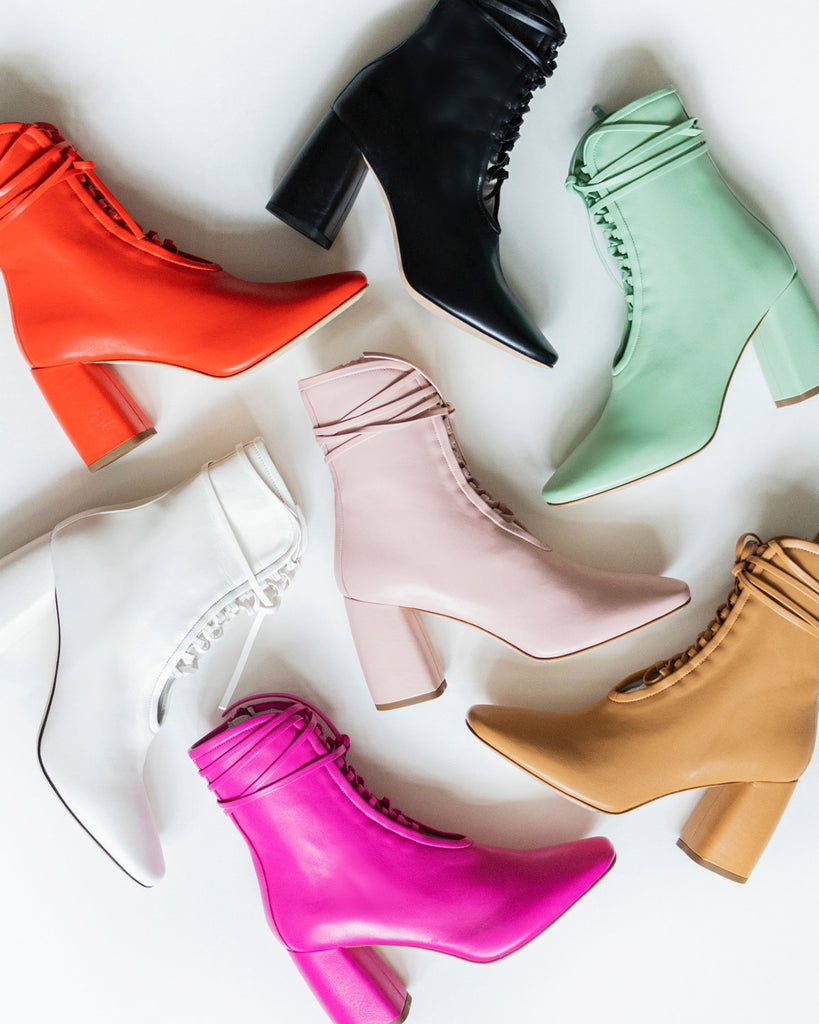


I used to leave home in beautiful heels with a second pair folded into my tote. By dessert, the flats came out, the photographs changed, and the promise of “comfortable” heels had already failed. Designer heels with memory foam are meant to solve that exact problem by using pressure-relieving cushioning that molds under heat and load, but the foam only works when the whole shoe is engineered around it.
I've always believed luxury should feel as good at 8 p.m. as it did at 8 a.m. That belief shapes how I think about handcrafted footwear, from the first sketch to the last fitting, especially for women who want day-to-night versatility without sacrificing polish.
The End of an Era You No Longer Need Backup Flats
At a wedding fitting, a client slipped off her heels before we had even finished talking through hem length. She had done what so many women do. She bought the beautiful pair for the photographs and packed a second pair for the main event. By the first dance, she planned to change.
I knew that routine intimately, which is exactly why I started designing against it.
Women do not carry backup flats because they are indecisive. They carry them because traditional heels are often built for a short entrance, not for a full day that includes pavement, stairs, standing, and the slow drift from ceremony to cocktail hour to dinner. The compromise became so normal that many women stopped questioning it.
I never saw that as normal. I saw it as a design failure.
A heel should survive the actual agenda. The subway platform at 8 a.m. The hotel corridor before a conference panel. The walk across a cobblestone courtyard to a reception. The airport terminal when your gate has changed and your carry-on suddenly feels twice as heavy.
That is the difference between a shoe that merely looks luxurious and a shoe engineered to be worn. Much of that comfort starts higher up the chain than shoppers are usually shown. Last shape, pitch, balance point, insole layering, heel placement, forefoot cushioning, and arch support all have to work together. Memory foam can help, but only if the rest of the shoe is doing its job. I explain that more fully in this guide to high heel arch support and how the foot is held in alignment.
The ritual I wanted to end
I have watched the same pattern play out across cities, ages, and dress codes.
You put the heels on in the morning and feel polished. By midday, you start negotiating with them. You shorten your stride. You scan the room for a chair. You shift your weight to one side while waiting for the elevator. By evening, the backup flats come out and the original shoe becomes a prop.
That arc has very little to do with willpower. It usually comes down to pressure concentration, poor balance, and a shoe that was never built for sustained wear.
Beautiful shoes should still feel beautiful three hours later.
When I sketch a new style, I picture her day in sequence. She is not standing still on a showroom carpet. She is crossing a lobby, greeting people, climbing stairs, pausing for photographs, then staying out longer than planned because the evening is going well. That is the ultimate test.
One pair, many lives
This shift matters because women are buying more carefully now. They want fewer pairs, better made, and useful across different parts of life. A sculpted boot can carry a workday and dinner. A refined sandal can handle a wedding, a gallery opening, and the after-party without asking for rescue shoes halfway through the night.
That is the standard I design for. Not novelty. Not a shoe that wins the mirror test and loses on the sidewalk. A pair that earns its place in your wardrobe because it works in motion, under pressure, and late into the evening.
The Science of Comfort in a Stiletto
Memory foam sounds soft and simple. In footwear, it's more specific than that.
It's typically made from viscoelastic polyurethane that reacts to body heat and pressure, compressing under load and recovering shape slowly afterward. That slow response creates the familiar sink-in feeling and helps redistribute plantar pressure, as explained in this overview of shoe cushioning technology and viscoelastic foam behavior.

What memory foam actually does under your foot
I think of it as a custom mattress for the foot, but only on a much smaller scale.
When you step into a heel with well-placed memory foam, the material doesn't just feel padded. It responds to where your foot presses hardest. In static wear or slower movement, that can reduce the sensation of one brutal hot spot taking the entire load.
That's why women often notice the difference most when they're:
- Standing in place: At receptions, conferences, and long social events
- Commuting at a measured pace: Walking between office, car, train, and dinner
- Wearing one pair all day: Desk-to-dinner schedules where shoes stay on for hours
Why foam alone isn't enough
Not all softness equals support. A generic insert can feel plush at first touch and still fail once the shape of the shoe pushes your foot too far forward or lets it slide into the toe box.
The better question isn't “Does it have memory foam?” It's “Where is it placed, what is it paired with, and how does the rest of the shoe hold the foot?”
That's why I always encourage women to look beyond the buzzword and learn how the shoe works as a system. A good place to start is understanding how high heel arch support changes comfort and alignment.
Practical rule: Cushioning should reduce pressure, not distract you from poor fit.
Where the feeling shows up in real life
The women who benefit most from this kind of cushioning usually aren't sprinting in stilettos. They're living in them. They're standing through gallery openings, navigating office hallways, sitting at a desk, then walking a few more blocks to dinner.
In those moments, the payoff is subtle but important. The shoe feels less punishing in one concentrated area. The forefoot doesn't fatigue as quickly. The heel cup doesn't feel like a hard landing pad every time you step down.
That's the difference between a heel you admire and a heel you keep on.
For women who want that sleek pointed profile without the usual dread, styles like Romi often appeal because the visual language stays refined while the inside story focuses on wearability. That balance is where designer footwear gets interesting.
Why Is Our Cushioning System Different
A woman once told me she knew within half a block whether a heel had been honestly designed. Not by the leather. Not by the heel height. By whether her foot started bargaining with the shoe before she reached the corner.
That stuck with me, because it is exactly how bad engineering feels. Your toes grip. Your arch works overtime. Your heel takes the landing, and the rest of your body starts compensating.
I design against that chain reaction. A heel should carry you with intention from the first step.

The first layer softens impact before pressure builds
The bottom layer manages the first meeting between foot and ground. In a stiletto, that contact is quick and concentrated, especially on hard city surfaces like stone, concrete, or polished floors.
If the foundation is too rigid, the force travels upward immediately. You feel it in the heel, then the ball of the foot, then in the subtle tension that makes you shorten your stride. A shock-absorbing base interrupts that pattern early, before one small impact turns into fatigue an hour later.
The second layer adapts to the woman wearing it
Memory foam matters here, but only in the right role.
Two women can wear the same pump and experience it completely differently. One carries more weight through the forefoot during a long event. Another lands harder through the heel on a fast commute. A responsive middle layer molds to those differences instead of insisting on one generic feel for everyone.
Researchers in this peer-reviewed study on supportive insert design and footwear comfort found measurable improvements in heel pressure and reported comfort with a supportive insert design. I pay attention to findings like that because they support what women describe in fittings. Good internal structure changes the experience of walking.
The third layer controls movement inside the shoe
Softness alone can create a different problem. If the foot slides forward, rolls inward, or grips to stay in place, the cushioning starts working against you.
That is why the final part of the system focuses on placement and support. Arch shaping, pitch, heel placement, and the way the insole meets the foot all have to work together. The goal is a foot that feels held in the correct position, so the foam can relieve pressure without turning the shoe unstable.
I judge every design by three questions:
- Does the first step feel less abrupt?
- Does one area avoid carrying the whole load?
- Does the foot stay settled instead of constantly correcting itself?
Craftsmanship decides whether the system actually works
In a sleek heel, there is nowhere to hide a bad build. A few millimeters in the last, the tension in the upper, or the wrong lining can change the entire ride of the shoe.
That is why I care so much about the invisible work. The pattern has to follow the foot cleanly. The materials have to flex where the body flexes and hold where the body needs support. The construction process behind handcrafted women's shoes and the making process shapes comfort just as much as the cushioning itself.
A luxury heel should never rely on softness alone. It should combine softness with structure.
You can see that principle across different silhouettes. A sleek boot like CLEO needs grounded stability for long wear. A dressier shape like NOLA asks for pressure relief without losing elegance. Different shoes, same standard. The engineering has to serve the life the shoe is meant to enter.
Who Truly Benefits from Memory Foam Heels
A client once told me she judged every heel by one question. Would she still love it at 10 p.m.?
That question has shaped more of my design decisions than any trend report ever could. The women who benefit most from memory foam heels are rarely shopping for a vague idea of comfort. They are buying for a real day with friction, distance, standing, and unpredictability built in.

The executive who refuses to carry backup flats
She leaves home before her coffee has fully kicked in, crosses a lobby in a well-fitting coat, stands through a presentation, then heads straight to dinner without stopping at home. Her shoes need to look sharp at 8 a.m. and still feel dependable twelve hours later.
For that life, I usually steer her toward a sleek boot or a secure pump with a stable base. She needs a shoe that absorbs impact on hard sidewalks, keeps her foot from sliding forward during long stretches of standing, and still reads polished with suiting. The right pair disappears in use. She is thinking about her meeting, not her feet.
The bride, bridesmaid, or guest with a long event ahead
A wedding day happens in chapters. Ceremony. Photos. Grass. Stone paths. A crowded dance floor. One more round of hugs before the car arrives.
That woman does not need softness alone. She needs a shoe that stays consistent from the first hour to the last, especially once fatigue changes how she walks. In my studio, that often means looking closely at base stability, forefoot pressure relief, and whether the upper keeps the foot in place as the evening goes on. A beautiful event heel should still feel composed after dinner, when the ultimate test usually begins.
The right occasion shoe earns its elegance after five hours, not five minutes.
The traveler packing one pair for a full itinerary
I know this customer well because I am always thinking about range. She wants one polished pair that can survive airport floors, a long dinner, museum stairs, and a city that was built long before smooth pavement.
For her, versatility is engineering. The cushioning has to reduce fatigue during repeated wear, but the silhouette also has to work with different clothes and settings. A secure fit matters even more when you are moving quickly, carrying a bag, and walking farther than planned.
If travel shopping also includes fit concerns, my advice is to read practical guidance on designer heels for wide feet before choosing a silhouette. A beautiful shoe that fights your foot by noon never becomes a useful travel piece.
The woman luxury brands have overlooked
She has a bunion, a narrow heel, a higher arch, or a forefoot that needs more room than many fashion shoes allow. She has also heard every tired suggestion. Buy a bigger size. Break them in. Choose something more sensible.
I have never believed she should have to lower her standards.
This customer benefits from memory foam heels only when the foam is part of a larger fit system. If the toe box presses at the wrong point, if the upper cuts across a sensitive area, or if the heel slips and forces her toes to grip, extra cushioning will not solve the underlying problem. It may soften the experience for a few steps, then the underlying mismatch takes over.
So I look at the shoe in three parts:
- Toe-box shape: Does it create room at the pressure point, or does it taper too soon?
- Upper behavior: Will the material soften around the foot, or resist it?
- Heel security: Does the foot stay anchored without pinching or forcing compensation?
Women with fit issues are often the clearest example of why comfort has to be engineered. They do not need a softer sales pitch. They need a heel designed with enough intelligence to meet the foot they have.
Your Guide to Choosing the Perfect Pair
A woman once told me she needed one pair that could survive a Monday flight, a client dinner, and the sprint between hotel marble and city pavement without turning into a shoe she carried in her hand by 8 p.m. That is how I think about selection. Not in abstract categories, but in real days with hard surfaces, long hours, and clothes that need to work from morning to night.

The right pair starts with the setting. A wedding on grass asks for something different than a polished office pump. A travel day rewards security and balance. A seated dinner gives you more freedom with shape, but only if the pitch still feels stable when you stand and walk.
Choose the silhouette for your actual day
I design from use first, because each silhouette solves a different problem.
| Silhouette | Often suits | Watch for |
|---|---|---|
| Pump | Offices, dinners, formal events | Toe-box pressure and foot sliding |
| Boot | Commuting, travel, transitional weather | Ankle fit and shaft placement |
| Sandal | Warm-weather events, lighter dressing | Strap placement and forefoot support |
For a commute-heavy schedule, I usually steer women toward a secure pump or a boot that keeps the foot anchored. For an outdoor ceremony, I look at the base before anything else. If the heel feels unstable on a showroom floor, it will feel worse on gravel, grass, or old stone.
Pay attention to heel height and pitch
Heel height tells only part of the story. Pitch decides where your weight goes.
I have seen women slip into two pairs with nearly identical heel measurements and react completely differently. One feels composed. The other throws the body forward and overloads the forefoot within minutes. The difference usually comes from angle, balance, and how the foot sits inside the shoe.
If you want a practical fitting method, this guide on how to wear heels comfortably without punishing your feet explains what to test before you commit.
A short visual explainer also helps if you're deciding between heel shapes and support features:
Treat the insole as one piece of a bigger system
A soft insole can make a first impression. Engineering decides whether the shoe still feels good three hours later.
That means checking how the arch meets your foot, whether the heel lands cleanly, and whether your toes start creeping forward as soon as you stand. Memory foam matters, but only when it works with the structure around it. Padding without hold usually turns into pressure.
So when you evaluate a pair, use this checklist:
- Feel the arch relationship: Does the foot feel held, not just padded?
- Check the heel base: Does it wobble or land confidently?
- Notice foot movement: Are you sliding forward before you've left the fitting area?
Don't ignore the toe box
Most disappointment starts at the front of the shoe, and it often starts fast.
If your forefoot needs more room, or one foot always protests before the other, make the toe box an early filter. I would rather see a woman choose a shape that supports the life she lives than force herself into a sharper line that only works for a photograph. A refined sandal can be right for evening events. A dress heel with a more forgiving front can carry a longer day. A fitted boot often makes the strongest travel companion because it controls movement and protects the foot from fatigue caused by constant adjustment.
A shoe can feel soft underfoot and still be wrong for your foot shape.
Choose the pair that matches the day you are asking it to carry. That is where beautiful footwear becomes dependable, and where comfort starts to feel like design rather than compromise.
Styling and Caring for Your Investment Footwear
I design for the moment after the photographs. The cab ride home. The walk across a hotel lobby. The hour when a wedding guest has stopped thinking about her dress and started thinking about whether her shoes still deserve their place in the wardrobe.
That is usually when investment footwear proves itself.
A beautiful heel earns repeat wear because it adapts to real life without losing its line. A pointed boot can sharpen a simple trouser for a morning meeting, then feel strong with a knit dress at dinner. A minimal sandal can carry a summer event, then come back out on holiday with crisp white denim and a fine cashmere wrap. The best pairs do not ask for a costume change. They hold their own across settings because the proportions are disciplined and the comfort system stays consistent under pressure.
I often tell clients to style the shoe by occasion, not by category. A fitted boot works hard on travel days because it stabilizes the foot and keeps the outfit polished with very little effort. A sleek evening heel belongs at weddings, gallery dinners, and formal work events where you will be standing longer than expected. A refined sandal does its best work in warm weather, especially when you want lightness without sacrificing structure.
Care matters for the same reason engineering matters. Materials shift with wear.
If suede dries out, if leather loses suppleness, or if the heel tip wears down unevenly, the experience underfoot changes. You feel it in balance, in grip, and in how the shoe holds you by the end of the day. Good maintenance protects comfort as much as appearance, which is why I would always rather see a woman care for a pair early than try to rescue it after one hard season.
A simple routine is usually enough:
- Rotate your pairs: Give shoes a day to recover after heavy wear.
- Store them with intention: Dust bags, light stuffing, and proper shelving help preserve shape.
- Watch the heel tips and soles: Small repairs done early keep the shoe walking as it was designed to.
- Treat the material before it looks tired: Preventive care keeps suede and leather responsive.
For suede pairs, I recommend this guide on how to take care of suede shoes.
I have always believed that fewer, better shoes create a stronger wardrobe. Women are not buying for a single event anymore. They want a pair that can commute, travel, attend dinner, and return next season without feeling dated or punishing. That shift has less to do with trend and more to do with standards.
A shoe that is beautifully made, carefully maintained, and comfortable in the ways that matter tends to stay in rotation. That is a valuable return on investment.
Frequently Asked Questions About Comfort and Fit
Does memory foam stay comfortable after repeated wear
I judge a heel after the third long day, not the first try-on in a dressing room.
The first few steps can fool you. Almost any soft insole feels pleasant at the start. The ultimate test comes after a morning commute, hours on your feet, a dinner reservation, and the walk back to the car. If the foam compresses too quickly or the shoe lacks structure around it, comfort fades fast. A well-built heel keeps its support because the cushioning is working with the pitch, the shank, and the way the upper holds the foot in place.
That is the difference between softness and engineering.
Are memory foam heels enough if I have bunions or a wide forefoot
Women write to me about this all the time, usually after buying a beautiful pair from somewhere else and realizing the pain starts at the same point every time. It is rarely just about cushioning. It is usually about shape.
A soft footbed cannot correct a toe box that narrows too sharply, or an upper that presses on the widest part of the foot. If you have bunions, a wider forefoot, high arches, or a narrow heel, look for a style that gives space where pressure builds and security where slipping starts. The most flattering shoe is often the one that respects the architecture of your foot.
How should I choose my size when ordering online
Start with the size you wear most consistently now. Then judge the shoe by the life you plan to live in it.
Try it on later in the day, when your feet are closer to their working shape. If it is a boot, test it with the sock or hosiery you will wear. Then pay attention to where you feel resistance. Pressure at the toes points to a different fit issue than lifting at the heel, and each one affects comfort in a different way over several hours.
Honesty helps here. Shoes do not get more comfortable because we insist we are still the size we wore five years ago.
Are block heels always more comfortable than stilettos
A woman heading to a garden wedding has different needs than a woman going from a car to a dinner table in the city. That is why heel shape alone never tells the full story.
Block heels usually offer more stability on grass, cobblestones, and travel-heavy days. A stiletto can still feel remarkably wearable if the pitch is balanced properly and the foot is held securely instead of sliding forward. I design for that distinction constantly. The question is less "block or stiletto" and more "what surface, how many hours, and how much standing."
What styles work best for commuting and office-to-dinner dressing
The pairs that earn repeat wear tend to have three things in common. They stay secure through movement, they keep the foot at a manageable angle, and they look polished at 9 a.m. and still right at 8 p.m.
For a daily workhorse, I would choose a refined pump or boot that feels composed rather than precious. For city dressing, I like a silhouette with a little attitude, but not at the expense of support. For events that start formal and end with real hours on your feet, I would choose the pair that gives elegance without asking you to endure it.
Those categories matter more than chasing the thinnest heel or the trendiest shape.
Is there one brand that focuses on memory foam and day-to-night comfort
Daniella Shevel is built around that idea, but I would still tell any woman to judge a brand by the same standards I use in my own studio. Look at how the cushioning is layered, how the heel is balanced, how the upper secures the foot, and whether the silhouette still feels beautiful enough to wear to the occasions that matter to you.
Comfort should not look orthopedic. It should look intentional.
If you're ready to stop planning outfits around pain, explore the latest collection at Daniella Shevel and shop styles designed for day-to-night wear, from CLEO and Romi to event-ready options like ISABELLA and NOLA.