

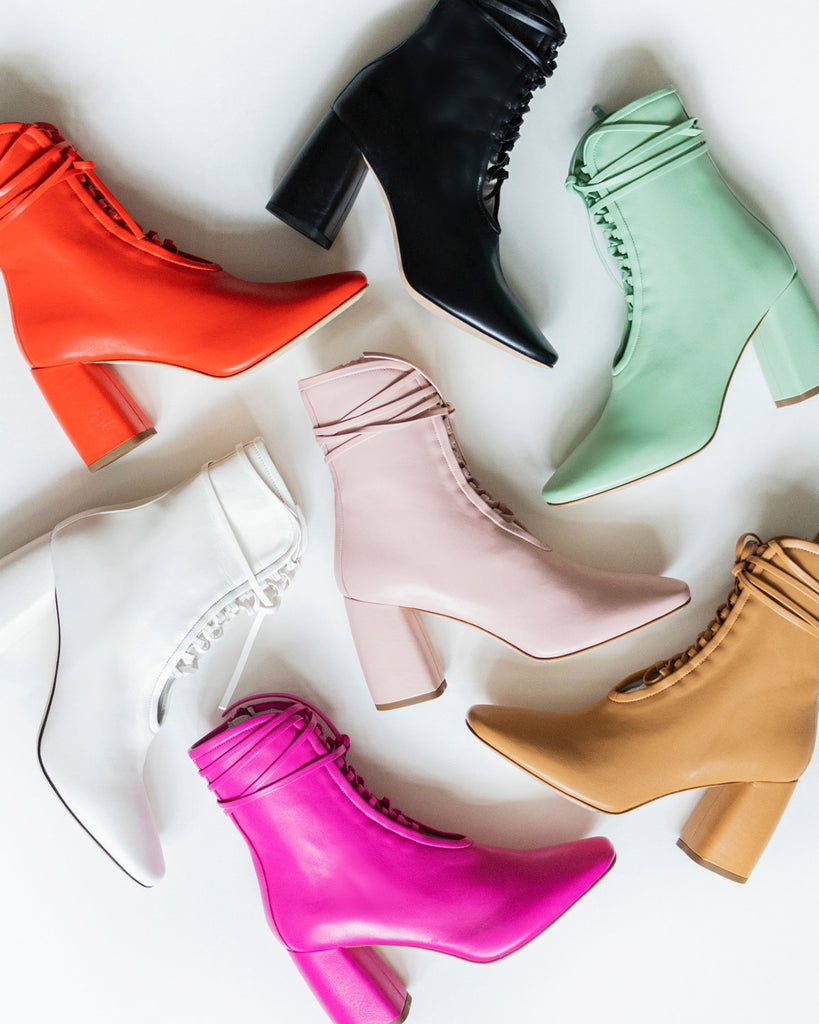


The most comfortable bridal heels combine intelligent design, like block heels, cushioned memory foam insoles, and soft glove-fit materials, with a fit that respects your actual foot shape so you can walk, dance, and celebrate for 8+ hours without pain. That matters because 68% of brides experience foot pain during the wedding day, and demand for more comfortable options has risen 45% year over year as of 2025 according to The Knot’s wedding shoe coverage.
You’re probably here because you love the look of a beautiful heel, but you’ve also seen what usually happens by cocktail hour. The shoes come off, the emergency flats appear, and a bride spends the second half of her celebration managing discomfort instead of enjoying it.
I’ve never believed that should be the trade-off. Luxury should feel exquisite on the foot, not just look exquisite in photographs. When a bridal heel is designed properly, with thoughtful pitch, cushioning, fit, and materials, it doesn’t become a shoe you survive. It becomes part of how you move through the day with ease.
Beyond the Aisle Why Your Wedding Heels Matter
A wedding day asks a lot from a shoe. It has to carry you through getting-ready photos, the ceremony, long stretches of standing, a first dance, and hours of celebration, often without a real break.
That’s exactly why so many brides start with a dream pair and end the night barefoot. The problem usually isn’t that she chose “heels.” The problem is that she chose a heel built for a short entrance, not an entire day.

The no-backup-flats question
The bridal world has normalized a backup pair as if discomfort is inevitable. I don’t accept that.
A wedding heel should let you stay present. You should be thinking about your vows, your family, your music, your joy. You should not be counting the minutes until you can sit down.
A practical standard: if you’re planning to dance in your heels, they need to work before the dance floor opens, not just look good walking to the altar.
For brides who are practicing movement ahead of the wedding, I always recommend rehearsing in a real heel, not a fantasy version of one. If you’re taking lessons, Philadelphia's best wedding dance guidance is a useful example of the kind of preparation that helps you understand how your shoes behave when you turn, shift weight, and move with a partner.
What matters more than style alone
The emotional pull of a bridal shoe is real. Satin, silk, embellishment, a sculpted silhouette. All of that matters. But the shoe also has a job to do.
The brides who are happiest with their choice usually prioritize three things:
- Wear time: Can this heel support a full event, not just the ceremony?
- Movement: Can you walk naturally, pivot, and dance without gripping the shoe?
- Confidence: Do you feel elegant and physically at ease at the same time?
That’s the difference between a decorative heel and a true wedding shoe. If you’re deciding between beauty and comfort, you’re looking at the wrong pair. I share more of that philosophy in my guide to comfortable wedding shoes.
The Anatomy of All-Day Comfort in a Bridal Heel
All-day comfort starts long before padding enters the conversation. It starts with geometry, materials, and how the shoe holds the foot once you have been standing, greeting, posing, and dancing for hours.
In my studio, I never judge a bridal heel by the first few minutes of wear. I judge it by what happens later, when feet warm up, swell slightly, and start putting real pressure on the front of the shoe. A heel that feels lovely for a fitting can become exhausting by cocktail hour if the pitch is too steep, the toe box narrows too aggressively, or the sole refuses to flex.

Start with the heel shape
Heel shape changes how your weight travels through the body. A slender stiletto can look beautiful, but it asks more from the ankle and forefoot with every step. A block heel gives you a broader base and usually a calmer, more stable stride, especially on grass, stone, older floorboards, and uneven outdoor paths.
That is one reason block heels are often easier to wear through a long event, a point also discussed in Silvia Lago’s wedding heel guide.
Platforms can help too, if they are refined and balanced rather than bulky. What matters is the effective angle under the foot. Brides often focus on the number printed in the heel height, but the body feels the pitch, not the headline.
Pitch decides whether a heel stays comfortable
Pitch is the relationship between the height of the heel and the angle forcing the foot forward. I pay close attention to it because it often decides whether a shoe feels supportive or punishing.
Two heels can measure the same height and wear completely differently. One can feel poised and secure. The other can dump weight straight into the ball of the foot and make the toes grip for stability. That gripping is one of the earliest signs that the shoe is asking your foot to do work the structure should be doing.
Brides with tired arches or forefoot burn usually benefit from learning more about high heel arch support and how pitch affects pressure before they commit to a pair.
The right heel lets the foot rest into the shoe instead of fighting it.
Cushioning only works when placement is correct
I am wary of vague promises about "extra padding." Padding helps, but only if it sits where pressure builds over time.
The areas that matter most are usually clear in wear testing:
- Under the ball of the foot: Brides typically feel heat and fatigue here first.
- At the heel seat: A little shock absorption helps late in the evening, when your stride gets heavier.
- Through the arch transition: This supports the foot between contact points, so it does not feel dropped in the middle.
Too much softness creates its own problem. The foot starts to slide, the sandal feels less secure, and the muscles work harder to stabilize. Good cushioning should support movement, not blur the structure of the shoe.
Materials change the fit as the day goes on
This is the part many bridal guides skip. Materials do not just affect appearance. They affect whether the shoe becomes kinder or harsher after three or four hours of wear.
Soft leather and well-chosen textiles can relax gently around the foot. Stiff synthetics often do the opposite. They hold their shape while your foot changes shape, which is why rubbing, pinching, and pressure points tend to show up later in the day rather than at the first try-on.
That difference matters even more if you have a bunion, a prominent joint, or one foot slightly fuller than the other. In those cases, a beautiful bridal heel should do more than survive the wedding. It should be built well enough, and shaped thoughtfully enough, to earn a place in your wardrobe afterward. I always want a bride to feel that she bought a luxury shoe she will reach for again, not a one-day compromise wrapped in satin.
Here is what I look for in a bridal heel meant for real wear:
| Feature | What works | What usually fails |
|---|---|---|
| Upper | Soft leather or forgiving textile | Rigid material that resists movement |
| Lining | Smooth interior with minimal friction | Rough seams or stiff overlays |
| Outsole | Flexibility that supports a natural stride | A sole so stiff it fights each step |
| Toe shape | Enough room for the forefoot to sit naturally | A sharp taper that compresses the toes |
That mix of structure and give is what makes a heel feel luxurious at 8 p.m., not just at the fitting appointment.
Why Is Finding the Perfect Fit So Difficult
Most women have been taught to think fit means one thing: your size. In reality, fit is shape, volume, arch placement, toe room, instep pressure, and how the shoe holds the foot as you move.
That misunderstanding is why so many brides say, “It fits, but it hurts.” They’re not wrong. The shoe may be the correct length and still be entirely wrong for their foot.
Size is only the starting point
Many bridal guides talk about cushioning, but they stop there. That leaves out one of the biggest reasons women struggle in luxury heels: their feet don’t match the standard last the industry keeps repeating.
That gap matters because the American Podiatric Medical Association notes that 64% of women report issues like bunions by age 65, a problem highlighted in Business Insider’s discussion of bridal shoe comfort and fit gaps. If a shoe ignores common fit realities, no amount of pretty detailing will save it.
The foot issues most guides skip
A bride with bunions doesn’t need generic advice to “add padding.” She needs a shoe that doesn’t force the forefoot into conflict from the start.
The same is true for:
- High arches: Often need better internal support and balanced pitch.
- Wide forefeet with narrower heels: Need security without crushing the toes.
- Narrow feet: Need the shoe to hold the foot without sliding forward.
- Sensitive joints or pressure points: Need softness in the right areas; increased material alone is insufficient.
This is why I care so much about glove-fit construction. A luxury heel should follow the foot, not punish it for existing.
If a shoe pinches when you’re standing still in the dressing room, it won’t become kinder after five hours.
What usually works better
For bunions or broader forefeet, I’d steer away from shoes that look sculptural because they’re rigid through the vamp. They often create beautiful lines on the shelf and unhappy feet in real life.
More reliable options include:
- Softer uppers: They adapt more gracefully around natural width differences.
- Better toe-box design: Not necessarily round, just intelligently shaped.
- Adjustability: Straps can solve problems that fixed pumps can’t.
- Supportive hold at the midfoot: This reduces the instinct to grip with the toes.
In my own design process, I’ve always paid attention to styles that can be elegant without feeling unforgiving. Stretch elements, flexible construction, and carefully placed seams matter more than one might assume when the goal is all-day wear.
If you’ve struggled with luxury shoes because standard widths never seem right, a useful place to start is this guide to bridal shoes in wide width.
A better fitting mindset
Try shoes later in the day, not first thing in the morning. Walk on a hard surface, not only carpet. Notice whether your toes feel calm or whether they immediately start bracing.
A good fit usually feels secure, not tight. Your heel should stay put. Your forefoot should feel held, not compressed. Your arch should feel supported without being forced.
That’s the standard I’d use for any bride buying comfortable bridal heels as an investment pair she hopes to wear long after the wedding.
Choosing Your Heels for the Occasion
You can feel the wrong shoe choice before the ceremony starts. A heel that seemed perfect in a fitting room can become tiring on cobblestones, unstable on grass, or too precious for a full wedding weekend with travel, dinners, and dancing.
I always tell brides to match the shoe to the job. Your venue, schedule, and how you want to use the pair afterward should shape the decision just as much as the silhouette.
Garden ceremonies and outdoor weddings
Outdoors, stability matters more than a narrow, delicate heel line. Grass, gravel, brick, and uneven stone all ask more of a shoe, and a heel that sinks into the ground stops looking elegant very quickly.
I would prioritize:
- A broader heel base: It gives you better contact with the ground and a calmer stride.
- A secure upper or ankle strap: This helps the foot stay aligned when the surface shifts under you.
- Materials with some give: Helpful if the day includes standing, walking between locations, or heat that causes swelling.
This is also where specialized fit solutions matter. Brides with bunions or pressure at the joint often do better in styles that distribute weight more evenly and do not force the forefoot into a rigid position. A wedding shoe should accommodate your actual foot, not the one a sample size assumes.
Long city weddings and formal receptions
City weddings usually involve more mileage than brides expect. Hotel corridors, pavement, stairs, photos, cocktails, dinner, then hours on a dance floor. The heel has to stay polished through all of it.
For that kind of schedule, I usually recommend a moderate height with enough structure to keep you secure late into the evening. If dancing is a priority, read this guide on shoes for dancing at a wedding before you choose.
The best reception heel is often the one that disappears from your mind once the music starts.
Destination weddings and travel-heavy weekends
A destination wedding pair needs range. It should work for the ceremony, pack well, and still make sense at a rehearsal dinner or a beautiful dinner months later. That is why I often steer brides away from shoes that only make sense with one dress and one date on the calendar.
Soft metallics, refined neutrals, and silhouettes with a little more coverage usually earn their place in a wardrobe for years. I have designed with that in mind for a long time, because luxury should not become irrelevant after one wear.
For brides who want rewear potential without sacrificing polish, a low-heel boot or a more covered sandal can be a smart choice, especially for cooler destinations, city ceremonies, or anyone who prefers a bit more support through the front of the foot. That kind of purchase works less like a one-day accessory and more like the beginning of a personal collection you will use.
Your Pre-Wedding Shoe Prep Checklist
A beautiful pair of heels still needs preparation. Even a well-made shoe should be introduced to your foot gradually, especially if you want to wear it through a long celebration.
I like to think of this part as calibration, not breaking your shoes down. You’re teaching the shoe and your body how to work together.
What to do before the wedding
Use this checklist in the weeks leading up to the event:
- Wear them indoors first: Spend short periods in the shoes at home on proper flooring, not only soft carpet.
- Practice real movement: Walk, turn, stand still, and sit down in them while wearing the dress length you expect.
- Check pressure points early: Notice rubbing at the heel, sides, or toe line before it becomes a wedding-day surprise.
- Test the closure: Buckles and straps should feel secure and easy enough to manage calmly.
- Pack protection: Use shoe bags or soft stuffing to preserve shape while traveling.
Know when to stretch and when to stop
A common mistake is trying to force a rigid shoe into comfort through sheer repetition. That rarely ends well.
If a shoe feels slightly snug in a natural leather area, gentle wear can help. If it feels sharply wrong at the bunion, toe joint, or instep, you need targeted adjustment, not blind optimism.
For brides dealing with minor tightness, this guide on how to stretch leather shoes at home is a smart starting point. Use restraint. Delicate bridal materials don’t respond well to aggressive hacks.
Build a small prevention kit
You don’t need a dramatic emergency bag. You need a few thoughtful items that prevent problems before they start.
I’d pack:
- Anti-friction balm: Useful on known hot spots.
- A clean cloth pouch: Protects the shoes if you need to change briefly during travel.
- Bandages for backup: Not the main plan, just insurance.
- Spare heel tips if relevant: Helpful for certain venues and surfaces.
Wear your shoes enough to know them, not so much that you exhaust them before the wedding.
If you’re local to New York, professional stretching and fitting support can also make a meaningful difference, especially for brides with a specific pressure point that needs careful handling.
From Wedding Day to Every Day The Life of Your Heels
The smartest bridal purchase is rarely the most “bridal” one. It’s the pair that feels right on the wedding day and still earns its place in your wardrobe afterward.
That shift in mindset matters because brides increasingly want more from the shoes they buy. 92% of brides want reusable wedding shoes, and searches for slow fashion bridal footwear grew 28% in the last year, according to The Knot’s coverage of block heel wedding shoes and rewearability.
Think in terms of wardrobe life
I always encourage women to ask a simple question before buying. Will this shoe still make sense when the dress is gone?
A strong investment pair can move into your life in several ways:
- With tailoring: A refined heel or bootie works beautifully with a clean trouser.
- For dinners and events: Bridal metallics and elegant neutrals transition easily.
- On trips: A stable, polished silhouette can cover far more than one occasion.
- With denim: This is often the quickest test of whether a bridal shoe has real life in it.
That’s where handcrafted construction earns its place. If the materials are good and the shape is timeless, the shoe doesn’t expire after one weekend.
Care is part of luxury
If you want your heels to last, treat them like investment pieces from the first wear. Wipe them down after the event. Let them air before storing. Keep them supported so the upper holds its shape.
For suede, softness and brushing matter. For smooth leather, regular conditioning helps preserve suppleness. For embellished styles, storage matters as much as wear because abrasion can happen in the closet just as easily as on the dance floor.
A well-made shoe ages beautifully when someone maintains it. It becomes more personal, not more disposable.
Sustainable luxury has to be practical
I’ve always preferred a buy-less, buy-better approach to footwear. The point isn’t to own more occasion shoes. It’s to own fewer, better ones that serve you repeatedly and wear in with grace.
That’s also why circular programs matter. A donation credit through Soles4Souls gives women a practical way to move pre-loved pairs onward instead of letting them sit unworn. It makes the idea of sustainable luxury concrete, not abstract.
The bridal pair you choose today can become your dinner heel, your travel heel, your event heel, or your polished office-to-evening heel later. Comfortable bridal heels should open that door, not close it.
Conclusion Invest in Comfort Celebrate in Style
The right bridal heel does more than complete a look. It supports how you live the day.
Comfort comes from a combination of things that have to work together: balanced heel structure, cushioning placed where the foot needs it, quality materials that soften and move well, and a fit that respects bunions, arches, width, and all the actual variations that standard bridal advice tends to ignore.
That’s why I always come back to the same philosophy. You should not have to choose between elegance and ease. A wedding is long, emotional, and full of movement. Your shoes should help you stay present through all of it.
If you’re shopping well, think beyond the aisle. Choose the pair you’d still be happy to wear to dinner, on a trip, or with a beautiful suit months from now. That’s how a bridal purchase becomes a meaningful wardrobe investment.
Written by Daniella Shevel, Designer & Founder. Daniella designs handcrafted luxury footwear made in Italy, Portugal, and Brazil with a comfort-first approach rooted in day-to-night wear, fit refinement, and lasting style.
Explore the bridal and occasion styles at Daniella Shevel if you’re ready to find comfortable bridal heels that feel luxurious on your wedding day and remain worth wearing long after it.