

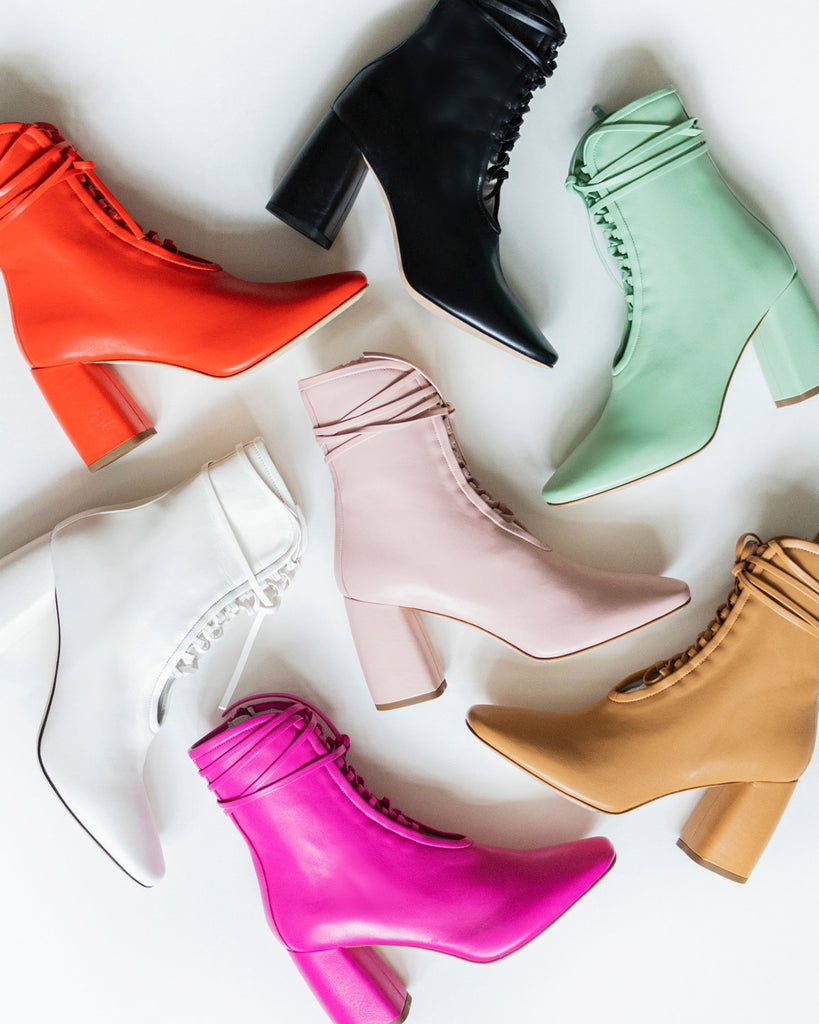


Calf hair shoes are luxury footwear made from the hair-on side of a hide, and one current retail example uses 80% calf hair and 20% leather. Their beauty is real, but so is the maintenance. If you want them to earn a place in a hard-working wardrobe, you need thoughtful construction and disciplined care.
I still remember stopping mid-block for a pair in a window because the surface caught light differently from smooth leather. Calf hair has that effect. It reads polished, tactile, and expensive in a way that plain leather often doesn't.
The hesitation is fair. A shoe this striking can look like a special-occasion indulgence. In practice, the material itself isn't the problem. Cheap construction is. A well-made pair can absolutely live in a demanding wardrobe, but only if you buy with discernment and treat the finish like the luxury material it is.
The Enduring Allure of Calf Hair
Why it keeps coming back
I still trust the same test. If a shoe stops you in motion, it has presence. Calf hair does that better than almost any other finish.
Its appeal has lasted for decades because it gives classic shapes more character without asking you to wear a louder design. Loafers look sharper. Pumps look more intentional. Boots carry more authority. Fashion editors still return to the category under the broader label “pony hair,” and the reason is simple. The material keeps making familiar silhouettes feel fresh, polished, and expensive.
That staying power matters. It puts calf hair in the company of pieces that survive trend cycles because they earn their place in a real wardrobe. You buy it for visual depth, yes, but also for mileage. In a well-made shoe, this finish works as a hardworking neutral with personality.
Calf hair gives a clean silhouette more dimension. The design does not need extra hardware, heavy ornament, or gimmicks to feel finished.
Why the appeal feels immediate
Smooth leather can read formal. Suede can read soft. Calf hair gives you texture and crisp pattern in one move, which is why it does so much work with very little effort from the rest of the outfit.
A simple coat, dark denim, and a calf hair loafer already look considered. A black dress and a compact calf hair boot feel complete. This is exactly why I recommend it as an investment buy rather than a special-occasion indulgence. If your wardrobe is well-edited, calf hair adds interest without sacrificing practicality, especially when the shape is comfortable enough to wear from morning to dinner.
If animal print is your entry point, keep the styling disciplined. Start with one strong pair and let it anchor the look. This animal print designer shoes guide makes the same case. The right print, on the right silhouette, behaves like a staple.
My advice is straightforward. Buy calf hair when you want one pair that can sharpen an entire wardrobe and still keep up with your schedule. Skip pairs that are all novelty and no comfort. The best ones look striking on day one and make sense six months later.
Understanding the Material Behind the Magic

What calf hair actually is
The name confuses people. Calf hair shoes aren't woven from hair. They're made from the hair side of the hide, not the inner leather side.
That difference changes both appearance and behavior. The surface keeps its nap, which is why it reflects light unevenly and creates that dimensional look you can't fake with a printed smooth leather.
A clear explanation from Your Next Shoes on calf-hair shoes notes that manufacturers typically tan the hide, use the hair side of the pelt, and often bleach the surface first so it can be dyed into solids or prints. That process is a big reason haircalf can hold crisp leopard, zebra, or cow patterns so beautifully.
Why patterns look sharper on haircalf
Think of smooth leather as a blank wall and calf hair as velvet wallpaper. Both can take color, but one naturally creates more depth.
Because the hair remains on the surface, print and dye sit with more visual variation. The result is often richer and less flat than the same pattern on plain leather. That's why luxury houses keep returning to it for statement loafers, pumps, boots, and seasonal sandals.
Here's the practical version:
- Texture matters: Calf hair adds depth even in solid colors.
- Prints look cleaner: Animal motifs tend to read sharper and more dimensional.
- The finish is more delicate: The same surface beauty that makes it luxurious also makes it less forgiving than standard leather.
What that means before you buy
You should treat calf hair like a specialty material, not an everyday abuse-proof one. It can absolutely work in real life, but it isn't the pair you wear mindlessly into slush, sudden downpours, or rough pavement every day for weeks.
Design rule: The more distinctive the material, the more important the base construction becomes.
That's where handcrafted Italian or Portuguese craftsmanship matters. Precision cutting, stable shape, clean lasting, and a properly balanced sole make a dramatic finish feel intentional instead of fragile. The material is only half the story. The build is what decides whether the shoe feels like luxury or just looks like it.
Why Quality Craftsmanship Is Everything

A mediocre calf hair shoe is all surface. It gets your attention in the box, then punishes you by lunch. That's not luxury. That's styling without engineering.
I care less about whether a shoe looks expensive on a shelf and more about whether it still feels composed after a long day. The best calf hair shoes are built like serious footwear first, statement pieces second.
What to inspect in person
Look beyond the printed hide. Check the fundamentals.
- Lining quality: A good lining should feel smooth and substantial, not papery or plasticky.
- Sole structure: Flexibility matters, but so does stability. A shoe that twists too easily often won't support all-day wear.
- Heel balance: Put the pair on and stand still. If your weight pitches forward immediately, walk away.
- Edge finishing: Sloppy edges and uneven seams are a warning sign, especially with a material this visible.
For a good grounding in how handcrafted footwear differs from mass production, this guide to handcrafted women's shoes is worth your time.
Comfort-first design isn't optional
A calf hair finish doesn't excuse bad fit. If anything, it raises the standard because you're buying a premium surface that deserves premium comfort.
When I evaluate a luxury shoe, I want three things:
| What to check | Why it matters |
|---|---|
| Insole cushioning | Reduces the “beautiful but unwearable” problem |
| Glove-like fit through the upper | Prevents rubbing and slippage |
| Thoughtful pitch | Keeps pressure from dumping into the forefoot |
This is why I'm opinionated about comfort-first design. A beautiful upper with a hard insole is a waste of money. Handcrafted shoes made in small batches, especially from Italian or Portuguese workshops, tend to show more respect for fit, finishing, and long-wear balance.
Buy the pair that feels calm on the foot. Drama belongs in the finish, not in your stride.
If you want calf hair shoes that move from desk to dinner, choose a restrained silhouette with strong internal support. That's what gives the material day-to-night versatility instead of making it a once-a-season purchase.
Styling Calf Hair for Your Real Life
Calf hair earns its keep when you style it like a neutral with personality. That means you don't save it for one dramatic outfit. You build around it.
For the commuter
A low-heel boot or structured flat in calf hair works beautifully with tailoring because the texture does the accessorizing for you. Keep the outfit disciplined. Trousers, a knit, a long coat, maybe a belt that picks up one color from the shoe.
For office dressing that still feels modern, this office shoes for women edit is useful because it follows the same principle. Strong shape, quiet confidence, no backup flats required.
Try these combinations:
- Black and cream calf hair boot: Wear with charcoal trousers and an ivory blouse.
- Leopard pointed flat: Pair with dark denim, a blazer, and gold earrings.
- Cow-pattern ankle boot: Ground it with all-black so the boot reads as intentional, not theatrical.
For the traveler
Travel is where a smart statement shoe proves itself. You want one pair that dresses up simple packing and still feels grounded enough for a long day.
My recommendation is straightforward. Choose calf hair in a practical silhouette, not a precious one. An ankle boot with a stable heel or a flat loafer gives you far more mileage than a delicate stiletto.
One memorable pair often packs better than three forgettable ones.
For a city trip, wear the pair on the plane with soft trousers and a blazer. Then reuse it at dinner with a slip skirt or dress. That's sustainable luxury in practice. Less luggage, more intention.
For the wedding guest
Women often make bad choices. They buy a shoe for the photo, not for the event.
Calf hair can be excellent for weddings if the heel is stable and the line is elegant. A block heel or lower sculpted heel in a refined print gives you grip, presence, and enough polish for evening. It also avoids the glossy, overly “bridal” look that rarely gets worn again.
My rule is simple:
- Garden or outdoor event: Choose a wider heel base.
- Formal city wedding: A sleek pump or sandal in calf hair can add depth to satin, crepe, or silk.
- Long celebration: Prioritize fit over height every single time.
The right pair should feel like part of your wardrobe, not a costume rental for one evening.
A Practical Guide to Caring for Your Investment

Most care guides stop at “brush gently” and “avoid soaking.” That's not enough. Buyers want to know whether calf hair shoes make sense for commutes, travel, and wet winters, and that practical gap is exactly what this discussion of maintaining haircalf shoes points out.
The good news is that care isn't difficult. It just has to be consistent.
What to do after normal wear
Use a soft cloth or soft brush to remove dust and surface dirt. Always move in the direction of the hair grain, not against it.
Independent fashion explainers also note that calf hair comes from the hides of young cows or goats, is tanned like regular leather, and needs careful maintenance because the hair-on surface is more delicate than standard leather. They consistently recommend wiping with a damp cloth in the direction of the grain, avoiding soaking, and storing the shoes in a dry place or dust bag. That summary appears in this fashion explainer on calf hair shoes.
Here's the routine I recommend:
- After wear: Lightly brush or wipe away grit before it settles.
- If the hair looks flattened: Smooth it gently with the grain.
- Before storage: Make sure the pair is completely dry.
A related read on texture-sensitive materials is this guide to taking care of suede shoes. The surfaces aren't identical, but the discipline around moisture and storage is very similar.
A quick visual always helps:
What to do if you get caught in light rain
Don't panic. Do the obvious things quickly.
- Blot, don't scrub: Use a clean cloth and press away surface moisture.
- Air-dry naturally: Keep the shoes away from direct heat.
- Reset the nap later: Once dry, smooth the hair back into place with a soft brush or cloth.
What I would not do is wear calf hair on purpose in heavy rain or slush. That's wishful thinking, not good wardrobe management.
Treat calf hair like a cashmere coat for your feet. It can handle life, but it doesn't deserve neglect.
Smart storage and long-term habits
Store calf hair shoes in a dust bag, in a dry environment, with enough space that the hair won't be crushed. Don't shove them under heavier shoes.
I also like borrowing care discipline from other luxury categories. If you already maintain fine jewelry, the same habit of gentle, regular upkeep applies. This JewelryBuyDirect silver care guide is a good example of that mindset. Protect the finish early, and you avoid bigger problems later.
Your Calf Hair Shoe Buying Checklist
I have watched women buy calf hair shoes for the wrong reason a hundred times. They fall for the texture, ignore the fit, then blame the material when the pair never leaves the box. Buy calf hair the way you buy a great coat. For repeat wear, real comfort, and a shape that still looks right three years from now.
Calf hair has earned its place in a serious wardrobe. As noted earlier, it has long belonged to the luxury conversation. The smart question is not whether it is fashionable enough. The smart question is whether the pair in front of you is built for your actual life.
The shortlist I'd actually use
Use this filter before you get attached:
- Start with the silhouette: Loafers, ankle boots, polished flats, and stable heels give calf hair staying power. Novelty shapes date quickly and usually feel worse on foot.
- Inspect the finish closely: Look for even hair direction, clean edges, precise stitching, and a shape that holds without looking stiff.
- Test comfort on the spot: Walk. Stand. Turn. If the shoe slips, pinches, or pitches you forward in the fitting room, leave it there.
- Assess versatility: A good pair should work with tailoring, denim, dresses, and evening pieces without requiring a styling rescue mission.
- Check your care discipline: If you know you will toss them on the floor or wear them in bad weather without a second thought, choose another material.
What makes a pair worth the investment
The pairs worth buying do four things well. They look polished, feel comfortable, wear easily, and hold their shape over time.
Craftsmanship decides all of that. Small-batch production usually gives you a better read on quality because someone has paid attention to the last, the balance, the lining, and the finish instead of rushing a trend to market. If you want a sharper lens on that standard, read this piece on small-batch handmade Italian shoes.
I am especially strict about comfort-first design. A beautiful shoe that cannot handle commuting, events, travel, and long days is not luxury. It is clutter with good lighting.
My final recommendation
Buy calf hair shoes with structure, restraint, and a real plan for wear. Choose the pair that feels secure on foot, works across multiple outfits, and looks expensive because the construction is good, not because the pattern is loud.
If a pair only makes sense for one outfit or one season, leave it. The right calf hair shoe is not fragile. It is one of the hardest-working pieces in a polished wardrobe.