

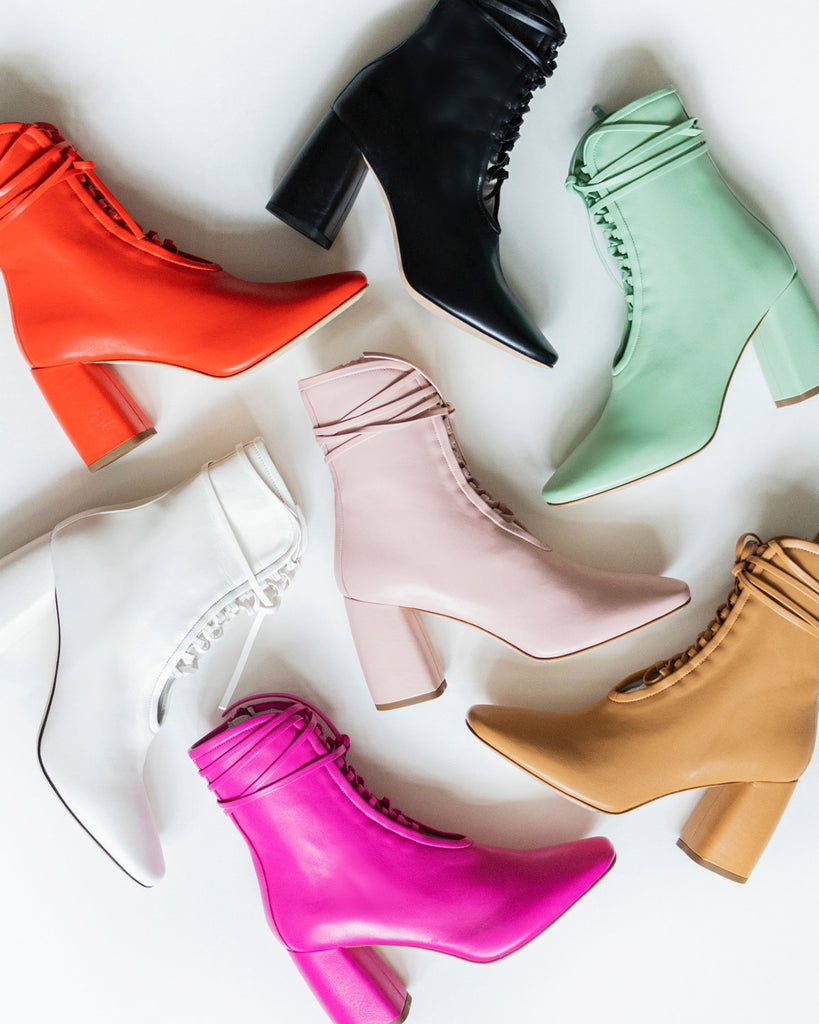


The essential suede care products for luxury shoes are a high-quality suede brush for nap maintenance, a specialized eraser for marks, and a professional-grade protector spray for prevention. Used together, they create a simple routine that handles about 90% of routine maintenance and should be refreshed every 3 to 6 months depending on wear.
If you have a beautiful pair of suede shoes waiting for a “safer” day, you're not alone. Many women treat suede like it belongs in the box, reserved for perfect weather and short outings.
I don't believe in that kind of luxury. Shoes should move with your life, from morning meetings to dinner plans, from airport days to city walks, and suede can absolutely do that when you care for it the right way.
Embracing Your Suede Shoes with Confidence
There's a very specific kind of hesitation that comes with suede. You open the box, run your hand over that velvety finish, and immediately think about rain, subway stairs, sidewalk dust, or the first accidental scuff.
That fear is understandable, but it's also the reason so many beautiful shoes get underworn. A handcrafted suede shoe is meant to be lived in. It just asks for a different kind of maintenance than smooth leather.

I've always loved the tension suede creates. It looks polished and soft at once. It feels refined without feeling rigid. That's why it works so well in comfort-first design and day-to-night wardrobes, especially in silhouettes that need to look sharp but still feel wearable.
Suede isn't fragile. It's specialized.
Suede has an open, textured surface called the nap. That's what gives it depth and richness, but it also means dust settles differently and pressure can flatten the fibers. The answer isn't to avoid suede. The answer is to use the right tools and a lighter hand.
Suede rewards regular, gentle care far more than occasional aggressive cleaning.
This isn't a tiny corner of fashion, either. The global shoe care market was valued at USD 4.47 billion in 2024 and is projected to reach USD 7.23 billion by 2032, growing at a 6.2% CAGR, according to Data Bridge Market Research's shoe care market report. Suede care sits inside that larger market as a long-standing specialized category with its own brushes, erasers, and waterproofing sprays.
That matters because it tells you something practical. Suede care isn't a niche hack. It's an established discipline.
The real luxury is wearability
A black suede bootie shouldn't feel like a museum piece. It should feel like something you can wear to work, out to dinner, and on the kind of day when plans change twice. If you love the look of suede court shoe elegance, the same principle applies. The beauty is in the finish, but the freedom comes from knowing how to preserve it.
For a closer look at how suede can still feel sharp and modern, I'd start with this take on the black suede bootie. It's a good reminder that suede belongs in real wardrobes, not just special-occasion fantasies.
Assembling Your Essential Suede Care Toolkit
A good suede kit doesn't need to be large. It needs to be intentional.
When caring for suede, one commonly makes one of two mistakes. They either buy a drawer full of random products, or they try to clean suede with whatever is already under the sink. Neither works well, especially on handcrafted Italian or Portuguese footwear where finish and texture are part of the design.

The three tools you'll reach for most
If you buy only the core suede care products, buy these:
-
Suede brush
This is your everyday maintenance tool. It lifts dust, revives flattened nap, and keeps the surface looking even instead of shiny or rubbed down. -
Suede eraser
This is for dry marks, light scuffs, and those small mystery streaks that appear after city wear. It's especially useful when the mark is sitting on the surface rather than soaked in. -
Protector spray
This is the prevention piece. It creates a water-repellent surface after drying and helps suede handle normal life with much less drama.
These three do most of the work. For many wardrobes, that's the foundation.
The fourth tool for tougher moments
A dedicated suede cleaner earns its place when brushing and an eraser aren't enough. I think of it as the occasional specialist, not the first thing you grab.
The trade-off is simple. Cleaner helps with deeper issues, but any liquid step introduces more risk than a dry one. That's why the gentlest routine starts dry and stays dry unless the shoe needs more.
Practical rule: If the mark can come off with brushing or an eraser, stop there.
Choosing better tools, not more tools
Not every brush behaves the same way. A crepe-style or softer suede brush is usually the safest place to start for regular nap maintenance. More aggressive textures can be useful in experienced hands, but on finer suede they can rough up the surface if you scrub.
That's the larger principle behind luxury care. Buy less, buy better.
-
Choose a brush with control
You want something that lifts the nap without tearing at it. -
Choose an eraser made for suede
A dedicated suede eraser is designed for the material. Household substitutes often leave residue or create uneven spots. -
Choose a protector meant for suede or nubuck
Smooth-leather products are a different category. Suede needs a formula that respects the texture. -
Choose restraint over force
Most suede damage comes from overworking the material, not underworking it.
If you want a suede style worth caring for from day one, the Cleo boot in taupe suede is the kind of low-heel silhouette that rewards consistent maintenance. It's practical, elegant, and exactly the kind of shoe that proves suede can be part of everyday life.
For mixed-material pairs, check product guidance and stick to material-appropriate care. The care and repair support options from Daniella Shevel are one example of a brand resource that helps when a shoe combines finishes and needs more careful handling.
The Art of the Suede Cleaning Ritual
The best suede routine has a calm sequence to it. Don't rush. Don't soak. Don't improvise halfway through with the wrong product.
The order matters. A major shoe-care guide recommends starting with dry mechanical cleaning using a suede brush, then targeted stain removal with an eraser or cleaner, allowing the shoe to dry fully, often overnight, then brushing the nap back into alignment and applying protector from about 20 to 25 cm away in a light, even spray, as outlined in ECCO's suede care guide.
Start with the visual checklist below, then follow the slower rhythm in practice.

The sequence that protects the finish
When a suede shoe comes home after a long city day, this is the order I trust:
-
Brush first
Remove loose dust and dry debris before you do anything else. This prevents you from grinding grit deeper into the nap. -
Spot-treat second
Use a suede eraser for dry scuffs or surface marks. If that doesn't work, move carefully to a dedicated suede cleaner. -
Let the shoe dry completely
Don't rush to “finish” the job while the suede is damp. Drying changes the texture, and you need to see the actual surface before deciding what comes next. -
Re-brush the nap
Once dry, restore direction and softness with a gentle brush. -
Apply protectant last
Mist lightly and evenly. Let it dry. If the shoe needs another coat, allow drying time between applications.
Here's a video that complements the routine and helps make the motions easier to visualize.
Suede stain first aid
| Issue | Tool | Action |
|---|---|---|
| Dry dust or city grime | Suede brush | Brush gently in a consistent direction to lift debris |
| Light scuff or dry mark | Suede eraser | Rub with controlled pressure, then brush away residue |
| Localized stubborn spot | Dedicated suede cleaner | Apply lightly, avoid soaking, then allow full drying |
| Flattened nap after wear | Suede brush | Re-lift the fibers after the shoe is fully dry |
| Post-cleaning protection | Protector spray | Mist evenly from a short distance after cleaning is complete |
What doesn't work well
A lot of suede damage comes from good intentions.
-
Over-wetting the shoe
Once suede gets saturated, texture changes become harder to control. -
Scrubbing one spot too aggressively
That often creates a visible patch that looks different from the surrounding nap. -
Using heat to speed drying
Suede responds better to air drying and patience. -
Spraying protector onto a dirty shoe
You'll trap the problem under the finish instead of preventing the next one.
If suede looks worse halfway through cleaning, stop and let it dry fully before judging the result.
For readers who love black suede styles, this guide to suede black booties is a useful complement because darker suede often hides dust better but still needs regular nap maintenance to stay rich rather than dull.
If you want a pair that moves beautifully from office hours to evening plans, the Romi mesh bootie is a strong example of why material care matters. Mixed textures always look more expensive when each surface is maintained correctly.
Why Is a Protector Spray So Important?
If you only build one habit, make it protection before problems happen.
One suede-care guide states that a brush plus protector spray will handle about 90% of routine maintenance, and it recommends reapplying protection every 3 to 6 months depending on use. The same guide notes that suede should be clean and dry before use, and that in wet climates two coats are often advised, as explained in Pediwear's suede care guidance.
That's the reason I think protector spray is the most important product in the group. It reduces panic. It buys you time. It gives suede a more realistic relationship with everyday weather.
Protection changes how you wear suede
Without protection, people tiptoe around suede. With protection, they wear it.
That's not about turning suede into rubber. It's about making the material more resilient in ordinary life, especially for commuting, travel, and long days when shoes don't get handled delicately.
I think of it the same way designers think about comfort-first construction. You prepare the shoe for real use rather than hoping conditions stay perfect.
When to reapply
The easiest cadence is this:
-
Before first wear
Start with clean, dry suede so the protector can form an even barrier. -
After a full cleaning
Cleaning removes surface debris, but it can also leave suede needing renewed protection. -
Seasonally or by lifestyle
Heavy wear, wet commutes, and frequent travel call for closer attention than occasional event use.
If you live somewhere rainy, adding a second coat after the first dries is a smart move. The same logic applies in the home. If you've ever read about lasting defense for area rugs, the principle is familiar. Protection works best when it happens before the spill, not after.
Prevention preserves both appearance and confidence.
For owners who rotate across texture-rich styles, this piece on calf hair shoes is helpful because it reinforces the same larger point. Surface-specific materials need product-specific care.
And if you want a versatile flat that benefits from this exact preventive mindset, the Isabella collection makes a strong case for suede as a wardrobe workhorse rather than a precious exception.
Troubleshooting Common Suede Scenarios
Most suede advice grows vague in practical situations. It tells you to brush, protect, and store properly, but it doesn't answer the question that matters when you're standing in a wet crosswalk or walking home after dinner on a dirty street.
A suede care guide from Morjas points out that many resources still fail to address what happens when suede gets wet or muddy in everyday city use, which is exactly the gap that matters most in real wardrobes. You can read that perspective in their suede care article.

If suede gets wet
Don't panic, and don't force dry it.
Do this instead:
-
Blot gently
Use a clean cloth to absorb surface moisture. Press. Don't rub. -
Support the shape
Stuff the shoe lightly with paper so it keeps its structure while drying. -
Let it dry naturally
Keep it away from direct heat and strong sun. -
Brush only after it's dry
Once the nap is fully dry, use your suede brush to restore texture.
What usually goes wrong is impatience. Hair dryers, radiators, or vigorous rubbing often leave the finish looking more uneven than the original water exposure did.
If suede gets muddy
Mud looks dramatic, but it's often easier than people think if you wait.
-
Let the mud dry first
Wet mud smears. Dry mud lifts. -
Brush off the dried debris
Start gently and repeat as needed. -
Use an eraser for any shadow marks
Only after the loose material is gone. -
Escalate to cleaner only if needed
Keep liquid steps targeted and restrained.
This kind of patience is useful beyond shoes. Good home-care advice often follows the same logic. For example, an essential guide for London homes makes the broader point that stain response depends on material and timing, not brute force.
If you think you overcleaned
Overcleaning usually shows up as rough texture, a flattened patch, or an area that looks darker or lighter than the rest.
Try this:
-
Pause and let the shoe settle fully
Damp suede can look uneven before it has completely dried. -
Re-brush the nap gently
A light, directional pass can restore a surprising amount of visual consistency. -
Stop before you chase perfection
Repeated rubbing is often what turns a small issue into a visible one.
Some suede problems are caused less by the original stain than by the panic that follows it.
If the pair is important, or the mark is in a highly visible area, professional help is the better move. This guide on professional shoe repair near me is worth saving because some issues need a trained hand, not another round of DIY experimentation.
For a style that proves suede belongs in active wardrobes, the Nola collection is exactly the sort of shoe I'd rather protect and wear often than save for imaginary perfect days.
Our Commitment to a Lifetime of Style
The best care routine is the one that keeps a beautiful shoe in your actual life. Brush it. Protect it. Clean it calmly when needed. Then know when to hand it to a professional.
That long-view approach is part of sustainable luxury. A handcrafted shoe made in small batches deserves maintenance that extends its life, not habits that turn it disposable. Good care supports cost per wear, but it also supports the deeper pleasure of owning fewer, better things.
There's also a point where home care should stop. Deep stains, shape issues, heel damage, and more complex repairs call for expert service. That's part of caring for luxury footwear. Not every problem should be solved at the kitchen counter.
If longevity matters to you, so does the bigger fashion philosophy behind it. This perspective on what sustainable fashion means connects beautifully to the idea of maintenance, repair, and buying with intention.
Written by Daniella Shevel, Designer & Founder.
If you're ready to wear suede with more confidence, explore the handcrafted collection at Daniella Shevel. Start with a pair you'll reach for, then protect it well, wear it often, and let luxury do what it should do: fit beautifully into real life.