

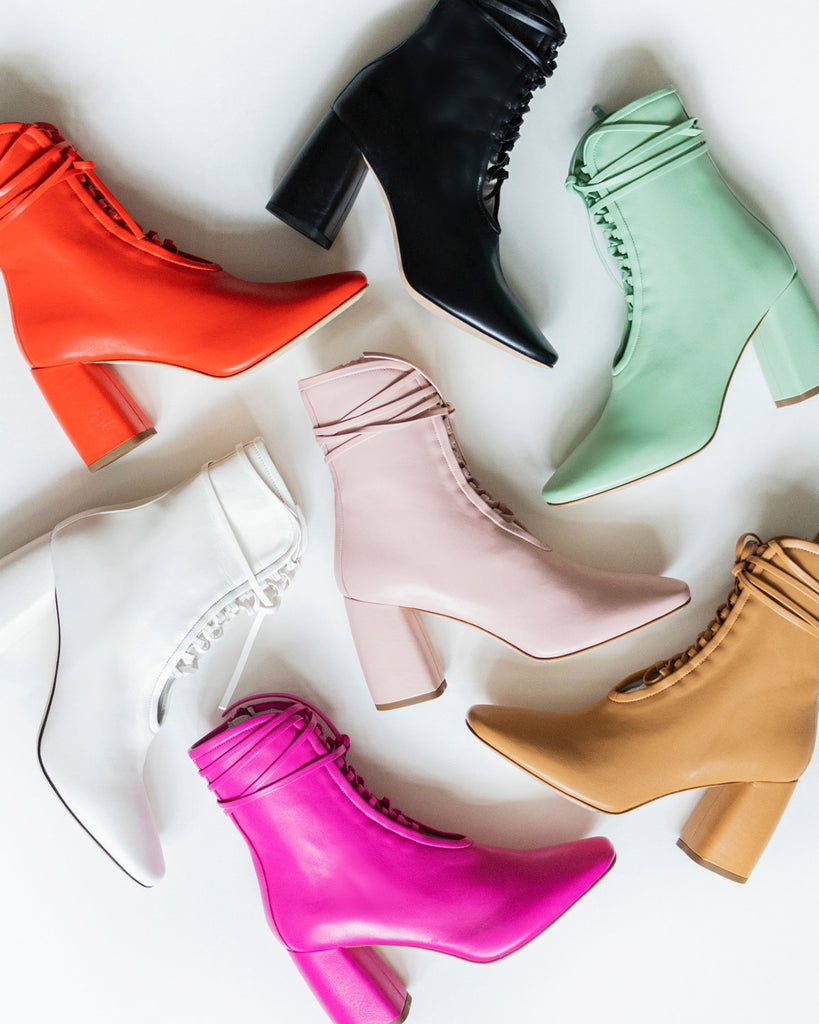


Sustainable wedding shoes can reduce embodied carbon by 30 to 45% when they use recycled and bio-based materials instead of conventional components, and the bridal shoe market is projected to reach $69.06 billion in 2025 as demand for ethical fashion grows. They're beautifully crafted bridal shoes made with eco-friendly materials and ethical production methods, but what matters most on your wedding day is that they're also built for comfort and long wear.
If you're planning a wedding with intention, you already know the smallest decisions often carry the most meaning. Shoes fall into that category. They're not always the first thing people see, but they shape how you move, how long you stay on your feet, and whether you feel like yourself by the end of the night.
I've always believed luxury should feel as good as it looks. For a bride, that means choosing a pair that supports your values, your feet, and your life beyond one event.
Redefining Bridal Footwear for the Modern Bride
The morning of your wedding starts long before the first photo. You step into your shoes while the room is still quiet, and from that point on they shape your posture, your pace, and how present you feel in each part of the day. If you're using a thoughtful checklist to plan your perfect wedding day, your shoes deserve that same attention.
Modern bridal footwear has a bigger job than looking beautiful in a single frame. It needs to work with the dress, the venue, and the rhythm of the day. It should also reflect the kind of purchase many brides want to make now. One that feels considered, lasts well, and remains relevant after the wedding.
I design with that reality in mind.
A bridal shoe should justify its place in your wardrobe, not just in your photographs. That changes the conversation. Instead of asking only whether a shoe feels bridal enough, it makes more sense to ask how it will wear over ten hours, whether the shape supports natural movement, and if you would still reach for it months later.
For years, the category leaned heavily on one-day shoes. High satin pumps, stiff constructions, and delicate finishes often looked romantic but offered very little once the ceremony ended. Brides are far more discerning now. They want refined style, but they also notice heel balance, padding, materials, and whether a silhouette can move into real life after the celebration.
That shift matters because sustainability is personal at this level. A pair you can stand in, dance in, and wear again is usually a better investment than a shoe built for a short appearance. Comfort and longevity are not separate from good design. They are part of it.
I'm especially drawn to styles with day-to-night versatility. A low sculpted heel, an elegant sandal in ivory or soft metallic, or a bridal bootie with clean lines can carry the formality of the ceremony and still make sense with tailoring or a slip dress later on. That is the standard modern brides are bringing to the category.
For a closer look at silhouettes that balance ceremony polish with repeat wear, the modern bridal shoes guide offers a useful starting point.
What Makes Wedding Shoes Truly Sustainable
A sustainable wedding shoe earns that description through evidence. I look for three things. Responsible materials, accountable production, and a lifespan that justifies the resources used to make it.
Ethical materials matter, but only with context
Material claims can sound impressive on a product page, yet the details decide whether they hold up. Recycled satin may reduce virgin inputs, but it still needs a lining that feels good against the foot and a structure that will not collapse after one long event. Bio-based components can be a thoughtful choice. They also vary widely in durability, finish, and repairability.
That is the trade-off brides rarely get told about. A shoe can check an environmental box and still perform poorly if the upper scuffs easily, the lining traps heat, or the sole cannot handle hours on your feet.
I ask simple questions. What touches the skin? What reinforces the heel? Can the materials age gracefully, or will they look tired after one wear?
Packaging belongs in the conversation too. Brands that care about waste usually show that care in shipping, presentation, and material restraint. Brides who want to compare that broader approach can learn about Afida's eco-packaging.
Transparent production changes the standard
The second pillar is production. Who made the shoe matters. So does how the factory works, how much is produced at once, and whether the brand can speak clearly about its process.
Small-batch manufacturing often leads to better quality control because fewer pairs move through the line at one time. Hand-finishing also has a practical benefit. It lets makers correct small inconsistencies that machines alone would miss, which improves fit, finish, and wear over time. I have seen the difference firsthand during development. A beautiful sketch means very little if the last is off, the pitch is too steep, or the straps are attached without enough attention to tension and placement.
A few signs are worth looking for:
- Specific sourcing language: Brands should name materials and explain why they use them.
- Accountable production: Small workshops and specialist factories often make it easier to trace how a shoe is made.
- Construction that can last: Strong stitching, quality leatherwork, and well-built soles support longer wear.
Watch for vague terms like “eco-conscious” with no explanation, trend cycles built around constant replacement, and constructions that are difficult or impossible to repair.
For a wider explanation of these standards, the guide to what sustainable fashion means gives useful context.
Longevity is the pillar that changes the purchase
The most responsible pair is rarely the one with the loudest sustainability language. It is the pair you still want to wear, and can still wear, after the wedding.
That includes repair potential, of course. It also includes proportion, comfort, and design restraint. If the silhouette is too costume-like, it will sit in its box. If the materials are difficult to clean or resole, its life ends early. If the shoe hurts by dinner, its useful life is already shorter than it should be.
I design with that reality in mind because sustainability becomes tangible at the foot. Brides feel it in stable balance, soft lining, thoughtful padding, and a shape that works beyond one dress and one date. The investment makes sense when the shoe serves the day beautifully and still has a place in your wardrobe afterward.
A sustainable wedding shoe is made with care, but it is also chosen with discipline.
Sustainable Luxury Without Compromising Comfort
The biggest myth in occasion footwear is that beauty and comfort live on opposite sides of the room. They don't. In my experience, discomfort usually comes from lazy design choices, not from elegance itself.
A shoe can be refined, sculptural, and light on the foot. It just has to be engineered that way from the beginning.

Comfort-first design is part of sustainability
If you never want to wear a shoe again, it wasn't a responsible purchase, no matter how noble the materials sound. That's why I see comfort-first design as part of sustainable luxury, not as a separate feature.
When we evaluate occasion footwear, we look at pressure, friction, and how the shoe behaves over many hours, not just during a fitting. Our proprietary three-part memory foam cushioning system is engineered to reduce plantar pressure by 22% during 8+ hour events, while glove-fit construction can reduce friction-induced issues by 35% compared to rigid synthetic alternatives. That matters on a wedding day because small irritations become major distractions by hour six.
What works better than a punishing heel
Some designs perform better in real life.
- Block heels: They tend to feel steadier and more usable for garden paths, stone floors, and long receptions.
- Glove-fit uppers: Soft stretch and flexible shaping help the shoe move with the foot.
- Thoughtful pitch: Even a beautiful heel loses its charm if the body is pushed too far forward.
By contrast, shoes that are very rigid, sharply narrow through the forefoot, or designed purely around a dramatic profile often become backup-flats shoes. That's not the goal.
The right bridal heel should disappear on your foot. You should notice the moment, not the pain.
For brides who want to understand how these details come together in construction, the handcrafted women's shoes journal gives a closer look. If you prefer a style that reflects this approach directly, browse the NOLA Block Heel Sandal as a practical example of all-day wear with evening polish.
Why comfort improves rewear value
The most loved shoes in a wardrobe are rarely the ones that demand endurance. They're the pairs you reach for instinctively because they work.
That's what makes comfort such an important filter for bridal shopping. A shoe that carries you through your wedding can later carry you through a dinner, a holiday party, or another celebration without needing to be “special occasion only.” If you're shopping with that mindset, the wedding guest shoes edit is also worth considering.
A Look Inside Handcrafted Sustainable Luxury
Handcrafted shoes reveal themselves in the details. The line of the upper. The way the seam sits flat. The fact that the shoe feels composed rather than rushed. Those things don't happen by accident.
I've spent enough time in workshops to know that sustainability becomes tangible when a maker slows down and pays attention.

Why small-batch changes the finished shoe
Mass production asks a factory to move faster. Small-batch production asks it to work better.
Small-batch production cycles, like those used in Italian artisan workshops, can reduce material waste by up to 28% and significantly extend the lifespan of footwear compared to mass-market fast fashion. That's one reason the slow fashion model matters so much in bridal and event shoes, where longevity should be part of the design brief.
What I notice in small-batch settings is consistency. Materials are handled with more care. Fit adjustments are taken seriously. The final pair feels less anonymous.
Craftsmanship shapes versatility
Italian and Portuguese craftsmanship isn't only about romance or heritage. It affects how a shoe wears across different contexts.
A refined silhouette like the ROMI mesh bootie can move from a bridal event to dinner in the city. A lower heel like the CLEO low-heel boot speaks to the same day-to-night versatility in a different mood. These are the kinds of shapes that resist the fast-fashion cycle because they aren't trying to be disposable.
For a deeper look at the philosophy behind this production model, the small-batch handmade Italian shoes article is worth reading.
One of the clearest ways to see that process is in motion.
Ethical choices should still feel beautiful
Sustainable luxury also has to leave room for different material priorities. Some brides want traditional leather. Others prefer vegan designer options. Both deserve thoughtful design and a polished finish.
That's where good editing matters. Instead of asking a bride to compromise on style, the better approach is to offer shoes that feel elegant, wearable, and aligned with her values. If you're drawn to a strappy silhouette with that balance, take a look at the ISABELLA sandal.
Beyond the Wedding Day The Circular Lifecycle of Your Shoes
The morning after the wedding, the flowers are fading, the dress is packed, and your shoes are either headed back into your life or into a box for years. That moment says a lot about whether a purchase was sustainable.
A bridal shoe earns its place over time. It should be wearable after the ceremony, worth maintaining, and well made enough to deserve repair. That is the version of sustainability I care about most as a designer. A beautiful pair should support your values and your feet long after the photographs are taken.
The strongest circular model starts with a shoe you want to keep in rotation. A satin heel that only works once is harder to justify than a refined shape you can restyle for dinners, events, or travel. Brides often tell me they start thinking this way once the wedding budget becomes real. The question shifts from “Will this look right with my dress?” to “Will I still reach for it next season, or on a trip built around a dream Mauritius wedding dress and a lighter packing list?”

How to help your shoes last longer
Longevity is partly design, partly care. Even a well-crafted pair will age poorly if it is stored carelessly or left with stains sitting on the surface for months.
- Store them with structure: Use the dust bag, keep the pair upright, and support the shape so the upper does not collapse.
- Treat marks while they are fresh: Satin, leather, and mesh all respond better to early attention than delayed rescue.
- Use a skilled cobbler: Heel tips, sole wear, and minor scuffs are usually repairable, and repair is often the better environmental choice than replacement.
Materials matter here, but so does construction. Natural leather can improve beautifully with care. Well-made vegan options can also hold up nicely when the shoe has proper support and finish, rather than a flimsy fashion build.
Buy the pair you will maintain without resentment. That is usually the pair with real staying power.
Circular programs make the promise tangible
A circular system becomes practical when a brand gives customers a clear next step after they are done with a pair. Donation and take-back programs keep wearable shoes in use and reduce the odds that good products end up forgotten or discarded too early.
Daniella Shevel offers a Soles4Souls donation credit program that gives customers credit toward a future purchase when they donate pre-loved shoes through the where to donate designer shoes for credit program.
That structure matters because it connects intention to action. A bride can buy with care, wear the shoes well, and still have a responsible option if her needs change later. That is a more honest version of sustainable luxury. It asks a shoe to do more than look beautiful for one day.
Your Guide to Shopping for Sustainable Bridal Shoes
The test happens a few hours into the wedding. You are standing on grass for photos, crossing stone floors at dinner, then dancing long after the formalities are over. A sustainable bridal shoe should still feel good then, not just look responsible in a product description.
That is the standard I use when I design. Sustainability has to show up in the life of the shoe. It should be made with care, fit with intention, and earn its place in your wardrobe after the wedding.
Brides shopping thoughtfully often weigh more than color and heel height. Venue surface matters. So does travel, weather, and whether the pair will make sense with a slip dress, tailoring, or evening denim months later. Brides planning a destination celebration might also be deciding how footwear pairs with a dream Mauritius wedding dress or another location-specific look that needs polish without fuss.
The questions worth asking before you buy
A good shopping checklist can save you from an expensive, pretty mistake.
- Where was this made? Look for clear information about workshop location, production scale, and who is making the shoes.
- What materials are being used? Ask about the upper, lining, insole, heel, and outsole. The unseen parts often determine comfort and longevity.
- Will I reach for this again? If you cannot name a few occasions beyond the wedding, pause.
- How does the fit behave after an hour? A secure heel, a balanced pitch, and enough room at the front matter more than a dramatic first try-on.
- Can this pair be maintained? Repairable construction and sensible care support usually point to a better-made product.
Why heel shape deserves more attention
Heel shape affects both wear and lifespan. A slim stiletto can be beautiful, but it asks more of the structure and more of your body, especially on uneven ground. A block heel or a well-balanced lower heel usually distributes weight more comfortably and tends to be the pair brides keep wearing.
I have seen this repeatedly in fittings. Brides often arrive focused on silhouette, then choose differently once they walk, turn, and stand still for a few minutes. The most successful pair is rarely the one that photographs well for thirty seconds. It is the one that still feels elegant at hour eight.
A sharper final edit
If you want to narrow the options quickly, look for shoes with these qualities:
- Comfort-first design: You should be able to stand, walk, and celebrate without planning a shoe change.
- Careful construction: Clean finishing, supportive materials, and balanced proportions usually show up in the wear.
- Repeat potential: The pair should work for future dinners, parties, and formal events.
- A point of view: Sustainable luxury should still feel personal, refined, and worth keeping.
Written by Daniella Shevel, Designer & Founder
If you're looking for sustainable wedding shoes that balance handcrafted beauty, comfort-first design, and long-term wear, explore the collection at Daniella Shevel. Shop the bridal and wedding guest styles to find a pair you'll love on the day, and keep wearing long after it.