

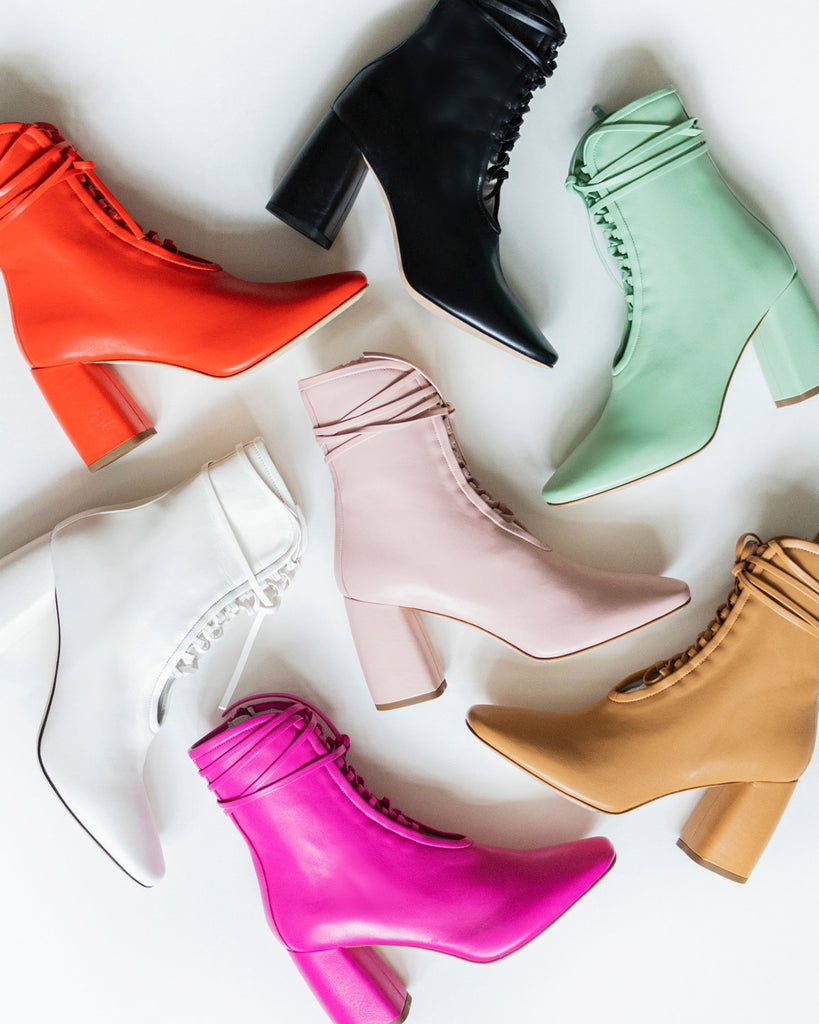


You’re probably doing what most brides do. You found the dress, narrowed the jewelry, maybe even chose the lipstick, and now you’re staring at wedding shoes wondering whether beauty still has to hurt.
It doesn’t. Low heel wedding shoes are the smartest choice for a long wedding day because they let you look polished, walk steadily, and stay present from the first photo to the last dance. I’ve always believed a bride should remember the joy in her body, not the pain in her feet.
The Modern Bride’s Guide to Graceful Comfort
A wedding day is not a sit-down dinner. It’s hours of standing, greeting, walking, posing, hugging, turning, dancing, and moving from one surface to another. If your shoes can’t handle that, they’re not luxurious. They’re decorative.
That’s why I steer brides toward low heel wedding shoes again and again. They give you elegance without the punishment. You still get the lift, the posture, and the finished line under a gown. You just don’t spend the night counting the minutes until you can kick them off.

I’ve seen the shift in how women shop for bridal footwear. They want refined design, but they also want to walk on grass, climb old stairs, stand through a ceremony, and dance at the reception without carrying an emergency pair of flats. That instinct is right.
If you’re building your look from the ground up, start with a modern bridal perspective at this guide to modern bridal shoes.
Low heels aren’t the “safe” option. They’re the well-considered option.
The right pair should feel like part of your strategy for the day. Not an afterthought. Not a compromise. A beautiful decision that supports everything else you’ve planned.
Why Are Low Heels the Smartest Bridal Choice?
The old bridal formula said height equals glamour. I disagree. On a wedding day, function shapes confidence. If you can move well, you look better. If you feel steady, you photograph better. If you’re not distracted by pain, you’re present.
That’s why low heel wedding shoes have become such a strong bridal direction. According to Bella Belle’s low heel wedding shoe guide, heels under 2.5 inches have emerged as a dominant trend in bridal footwear by 2025-2026, with 2 to 2.5 inch heels offering a subtle lift and 2-inch options giving stability for indoor-outdoor transitions.
What low heels do better
A lower heel solves real wedding-day problems:
- They keep you grounded: Grass, gravel, old stone, wood floors, and dance floors all ask different things from a shoe.
- They preserve your energy: Weddings often run 8+ hours, and your shoes need to support that kind of wear, not just survive the ceremony.
- They suit more gown styles: Tea-length dresses, high slits, and cleaner silhouettes all look chic with a lower heel.
- They age better in photos: A slender kitten heel or a sculpted block heel reads elegant, not trend-chasing.
The style argument is over
Brides sometimes worry that a low heel won’t feel formal enough. That concern usually disappears the second they try on a beautifully made pair. Height is only one part of dressiness. Line, material, toe shape, finish, and proportion matter more.
A pointed kitten heel can look razor-sharp under a column gown. A low block heel can look refined with a silk A-line. A delicate ankle tie can soften a minimalist dress without making it precious.
Practical rule: If a shoe lets you stand tall, walk cleanly, and stay relaxed through your reception, it’s doing more for your bridal look than a painful stiletto ever will.
The smartest height range
If you want my direct advice, start here:
| Bridal need | Heel direction |
|---|---|
| You want stability across mixed surfaces | Low block heel |
| You want a classic, elegant line | Kitten heel |
| You’re tall and don’t want extra height drama | Around the lower end of the low-heel range |
| You want day-to-night versatility after the wedding | Minimal sandal or closed-toe low pump |
You’re not choosing less. You’re choosing a more intelligent shoe.
If you’re shopping by height first, browse low heels before you get distracted by embellishment.
Decoding Comfort The Daniella Shevel Way
I design shoes with one rule in mind. Luxury should not be painful. If a shoe looks exquisite but asks your body to suffer for it, the design failed.
When we develop a heel, I don’t start with the marketing story. I start with the way a woman lives in it. Can she stand in it for hours? Can she cross a street without wobbling? Can she dance, host, travel, and stay in the same pair into the evening? That’s the standard.

The biomechanics matter
Comfort isn’t a vague feeling. It starts with mechanics. According to Ruxene’s guide to low heel bridal shoes, heels under 2.5 inches support a more natural pelvic tilt and reduce pressure on the metatarsal heads by 20-30% compared to stilettos. That same guide notes this matters for 8+ hours of wear because the body doesn’t have to work as hard to maintain balance and posture.
That’s exactly why lower heels feel different by hour four. Your body isn’t constantly compensating.
What I pay attention to in design
I obsess over details others might miss:
- Pitch: The angle of the foot has to feel balanced, not forced.
- Padding placement: Cushioning only works if it sits where pressure builds.
- Last shape: The shoe has to follow the foot’s architecture instead of fighting it.
- Material response: Leather should soften and adapt, not scrape and resist.
I’ve spent time with artisans in Italy and Portugal because handcrafted construction changes how a shoe behaves. A beautifully made shoe doesn’t just look better. It flexes better, molds better, and wears in a more personal way.
If you want a closer look at that process, read about handcrafted women’s shoes.
The comfort-first design checklist
When I evaluate a bridal heel, I want these things in place:
-
A stable base
The heel should support your stride, not interrupt it. -
Cushioning in pressure zones
I care most about the heel, ball of foot, and arch area. -
Supple upper materials
Stiff uppers cause rubbing fast. Soft, high-quality materials reduce that risk. -
Secure hold
A shoe that slips at the heel or squeezes at the toe will exhaust you. -
Day-to-night versatility
If you can wear it beautifully after the wedding, that’s good design.
A comfortable heel should never feel like a trick. It should feel quietly competent.
One example in this category is Daniella Shevel bridal shoes, which are built around a comfort-first approach with handcrafted construction, memory foam cushioning, and low-heel options for extended wear.
What comfort should feel like
It should feel secure, polished, and almost forgettable. Not in a boring way. In the best possible way.
You shouldn’t be constantly adjusting your stance. You shouldn’t be bargaining with yourself through cocktails. You should be able to focus on your partner, your guests, your photographs, and your own happiness.
That’s the bar.
Selecting the Perfect Heel for Your Wedding Setting
The right shoe depends on where your wedding happens. Venue matters more than brides think. A heel that looks perfect in a fitting room can become useless on grass, uneven stone, or a long staircase.
Start with your setting. Then match the heel shape, material, and security of the shoe to that environment.

For garden and beach weddings
Soft ground changes everything. Thin heels sink. Unstable shoes twist. If you’re outdoors, don’t try to out-style physics.
Choose:
- A low block heel for better contact with the ground
- An ankle strap or secure upper so your foot stays put
- Softer metallics, ivory leather, or satin depending on the dress finish
Skip anything flimsy. Outdoor ceremonies demand structure.
If you want to understand why block shapes work so well, this piece on the block heel pump is worth reading.
For historic venues and cobblestone streets
Old venues are gorgeous. They’re also unforgiving. Narrow heels catch in gaps, and slippery soles can make you walk like you’re on alert all night.
My recommendation is a low heel with a clean silhouette and secure fit. A closed-toe low pump, a slingback with hold, or a polished low block can all work beautifully here. Keep the lines elegant, but make sure the shoe feels planted.
If your wedding includes stone paths, courtyards, or uneven flooring, test your shoes on a similar surface before the big day.
For a classic black-tie ballroom
Brides often think they need more height. They don’t. Formality comes from finish and shape, not discomfort.
A pointed kitten heel, a satin low pump, or a minimal sandal with a refined ankle line will still read evening. In fact, low heel wedding shoes often look more modern in black-tie settings because they feel intentional instead of obligatory.
A few pairing ideas:
| Gown style | Heel suggestion |
|---|---|
| Clean column gown | Pointed kitten heel |
| Full satin ballgown | Low pump or elegant block heel |
| High-slit dress | Delicate low sandal |
| Tea-length dress | Decorative kitten heel or slingback |
Watch how the shoe moves with the hem, not just how it looks in isolation.
A quick visual can help if you’re deciding between shapes and heights:
For city weddings with multiple locations
If you’re doing a hotel suite, ceremony venue, photo stop, reception room, and maybe an after-party, versatility becomes the priority. You need a shoe that can survive transitions.
I’d keep your choices narrow here:
- A low heel sandal if your look is lighter and more minimal
- A closed-toe low heel if the event is more formal or seasonally cool
- A block heel if there’s any doubt about pavement, stairs, or outdoor access
Don’t buy a wedding shoe for a single ten-minute walk down the aisle. Buy it for the whole itinerary.
Match the shoe to the dress, but don’t overthink it
Brides get stuck trying to force an exact match. You don’t need that. You need harmony.
If the dress is heavily embellished, the shoe can be cleaner. If the dress is stark and minimal, the shoe can carry a bow, texture, or gentle sparkle. If the hem only reveals the front of the shoe, the toe shape matters more than people expect.
Good bridal styling is about proportion. The shoe should complete the line, not compete with it.
A Personal Fit for Your Unique Feet
Allow me to be blunt. If you’ve spent years being told luxury shoes just “aren’t for your feet,” ignore that. Most of the time, the problem isn’t your foot. The problem is lazy design.
Low heel wedding shoes can be a gift for women who’ve struggled with fit because the lower height already reduces some of the pressure that makes badly designed heels unbearable. But fit still needs attention. A beautiful bridal shoe that pinches a bunion or lets your heel slip is still the wrong shoe.
If you have bunions or need more room in front
Prioritize softness and shape. You want materials that accommodate rather than punish. Look for a front that doesn’t aggressively taper into the widest part of your foot.
What usually works best:
- Softer leathers or forgiving materials that adapt over time
- A lower heel pitch so weight doesn’t slam forward
- A more considered toe shape instead of an ultra-sharp front
For more specific guidance, read bridal shoes for wide width needs.
If your heels are narrow
A lot of women size down to stop heel slipping, then crush their toes. Don’t do that. Solve for hold, not punishment.
You need:
- A strap, slingback, or better-contoured heel cup
- A shoe that grips the foot without creating friction
- Enough room in the forefoot to stand naturally
A secure shoe feels calming. A loose shoe makes your whole body tense because you’re constantly trying to keep it on.
The right fit should support your foot in place. It shouldn’t force your toes to do the work.
If you have high arches
Arch discomfort can sneak up on you. You may feel fine for the first stretch of the event, then suddenly your feet feel tired, tight, and overworked.
Choose shoes with:
- Thoughtful insole support
- Balanced pitch
- Padding where your foot meets pressure
And be honest about your habits. If you don’t wear heels often, your wedding day is not the time to train yourself into an extreme silhouette.
A better fitting process
If I were guiding a friend in person, I’d tell her to do four things:
-
Try shoes on later in the day
Feet are more honest then. -
Walk on different surfaces
Carpet lies. Hard floors tell the truth. -
Bring your dress hem decision into the process
Your gown and shoe height need to work together from the start. -
Stop shopping by appearance alone
The shoe has to pass the movement test.
At our NYC flagship, we’ve always believed high-touch fit services matter. Professional stretching and personalized fitting change outcomes for women who thought they had no options. That kind of service is especially important for brides because there’s no room for error on the day itself.
Investment Pieces Made to Last a Lifetime
Wedding shoes should not become relics in a box. If they do, the purchase was too narrow.
I’m a big believer in day-to-night versatility. The best bridal heels don’t stop being relevant after the ceremony. A refined low sandal can come back for an anniversary dinner. A polished low pump can work for a cocktail event, a rehearsal dinner look, or even a sharp office outfit if the design is clean enough.

Buy less and buy better
That philosophy guides every good shoe wardrobe. A handcrafted pair made with care in Italy or Portugal has a very different life than a disposable fashion heel. Better materials wear in more beautifully. Better construction gives you a chance to repair instead of replace.
That matters emotionally, too. Your wedding shoes should carry memory, not just visual appeal.
How to rewear bridal heels
A few easy ways to bring them back into your wardrobe:
- For dinner: Pair a low satin or leather heel with cropped trousers or a silk skirt.
- For work events: A clean closed-toe style can move into office-to-evening territory.
- For travel: A stable low heel is often more useful than a higher event shoe when you’re packing light.
- For celebrations: Anniversaries, showers, milestone birthdays, and gallery dinners all make sense.
In this context, sustainable luxury becomes practical, not preachy. Wearing a beautiful shoe again and again is the whole point.
Care keeps the shoe alive
If you want your wedding shoes to last, treat them like investment pieces.
Do this consistently:
| Care step | Why it matters |
|---|---|
| Store them properly | Preserves shape and finish |
| Clean them after the event | Removes dirt before it sets |
| Protect delicate materials | Prevents avoidable wear |
| Repair early | Small issues stay small |
| Stretch or adjust when needed | Improves long-term comfort |
A treasured pair usually isn’t the pair you wore once. It’s the pair you kept returning to because it still felt good.
Sustainability is in the afterlife of the product
I also care about what happens after purchase. Sustainable luxury means thoughtful production, smaller runs, better materials, and real longevity. It also means giving products a longer story.
That’s why services like repair, stretching, and circular programs matter. They extend the life of the shoe and respect the fact that good design shouldn’t be disposable. If you choose a bridal shoe with that mindset, you won’t resent the purchase later. You’ll be glad you invested in something with a future.
Walk Confidently Into Your Next Chapter
Your wedding shoes have one job. They need to support your presence on one of the most important days of your life. That means they should look elegant, feel stable, and let you move through the day without dread.
That’s why I’ll always stand behind low heel wedding shoes. They respect the reality of the event. They honor your comfort. And they prove that sophistication doesn’t require suffering.
The modern bride is done with backup flats hidden under the table. She wants one beautiful pair that can carry her from ceremony to celebration with confidence. She wants handcrafted quality, thoughtful materials, and design that understands a real body in motion. She should have that.
If you’re choosing your pair now, be decisive. Pick the shoe that supports the venue, works with the gown, fits your actual foot, and has a life beyond the wedding day. That’s the smart purchase. That’s the luxurious purchase.
Written by Daniella Shevel, Designer & Founder
Find the pair that will carry you through the aisle, the dance floor, and every celebration after. Shop Daniella Shevel for handcrafted bridal and low-heel styles designed with comfort-first construction and lasting elegance.