

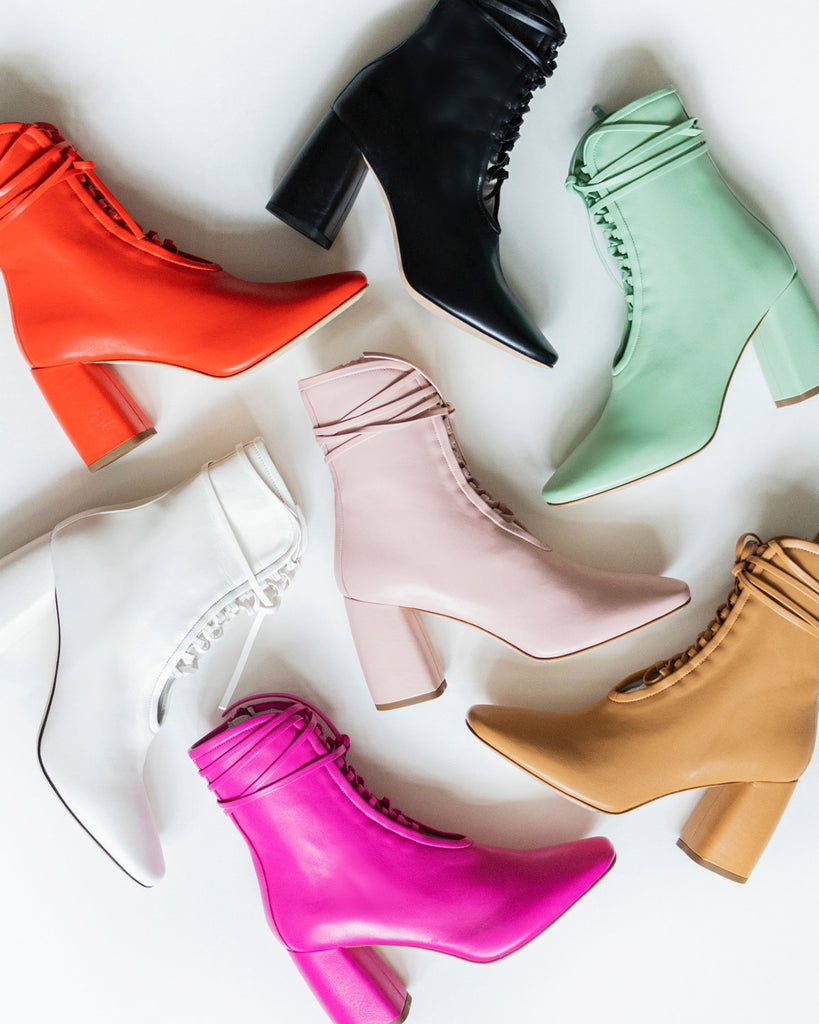


Italian high heels shoes often sit in the 6.5–10 cm range for women's pumps, which helps create the classic elongated silhouette while staying more wearable than extreme stilettos. What makes them worth seeking out isn't only the look. It's the mix of heritage, handcraft, and fit-focused construction that can make a heel feel elegant and usable from morning to evening.
I still think about one factory visit in Italy where an artisan paused over a last, ran his hand across the leather, and rejected a nearly finished upper because it wouldn't soften in the right way against the foot. That moment said more to me than any marketing phrase ever could. A beautiful shoe isn't enough if a woman is counting the minutes until she can take it off.
The Promise of Luxury Without Pain
The old luxury equation was simple. The prettier the heel, the more you were expected to suffer for it.
I've never accepted that. Women need shoes that can move through a real day, not just make an entrance. That means a heel has to support posture, reduce friction, and still look polished under a trouser hem or with a dress at dinner.
When clients ask about Italian high heels shoes, they're usually asking two things at once. Will they look refined, and will they work for my life?
The right answer is yes, but only if the shoe was designed with comfort in mind from the start. Comfort can't be glued in at the end as a soft insert and a hopeful sales pitch. It has to be built into the shape, materials, and balance of the shoe.
What works in real life
A comfortable luxury heel usually gets these fundamentals right:
- Balanced pitch: The foot shouldn't feel dumped forward.
- Secure hold: Your heel shouldn't lift with every step.
- Supple upper: Leather should support, not slice into the foot.
- Intentional cushioning: Padding matters most where pressure builds.
- Day-to-night versatility: The shoe should work at 9 a.m. and still make sense at 9 p.m.
What doesn't work is easier to spot once you know what to look for. Stiff toe boxes, unstable heel placement, and shoes that rely on appearance alone almost always disappoint after an hour or two.
Luxury should give you presence, not punish you for having plans after lunch.
If you want a practical foundation before buying your next pair, I'd start with this guide on how to wear heels comfortably. It addresses the habits and fit checks that matter before a shoe ever leaves your closet.
There's also a confidence shift that happens when a heel works with you. You stop thinking about pain management and start thinking about where you're going next. That, to me, is the promise of luxury without pain.
The Soul of the Shoe Italian Craftsmanship Revealed
Italian shoe culture carries authority because it didn't appear overnight. It grew from centuries of treating footwear as both construction and expression.
One of the clearest historical examples is the Venetian chopine, a Renaissance platform that could reach up to 20 inches tall, turning height itself into a status signal for Venetian noblewomen and courtesans, as noted in this history of high heels. Long before modern luxury branding, Italy had already linked footwear to rank, drama, and identity.

What handcrafted really means
“Handcrafted” gets overused, so I prefer to make it concrete.
In the smaller factories I visit, craftsmanship shows up in tiny decisions:
- Last selection: The shape under the shoe determines far more than appearance.
- Leather handling: Good makers feel for stretch, softness, and recovery before cutting.
- Edge finishing: Clean edges usually reflect patience, not speed.
- Heel attachment: Stability starts where the heel meets the body of the shoe.
These details aren't glamorous, but they're what separate a shoe that merely photographs well from one that becomes part of your routine.
I've watched makers adjust components by hand because the material itself asked for it. Leather isn't identical from skin to skin. A factory that respects that reality produces shoes with more character and usually a better feel on foot.
Heritage matters when you can feel it
Italian craftsmanship isn't valuable because the label sounds prestigious. It matters when heritage shapes the final experience of wearing the shoe.
That heritage gave us a visual language of elegance, but it also taught generations of makers how to refine proportion, line, and structure. A pointed pump should feel deliberate. A high-vamp bootie should frame the foot cleanly. A sandal should hold without overstrapping.
The difference between a pretty heel and a lasting heel usually lives in the parts you don't see.
For a closer look at that making process, I recommend reading about handcrafted Italian leather shoes. It's helpful if you want to understand why some shoes feel composed and others feel flimsy the moment you step in.
Italian craftsmanship also carries a certain restraint. The best pairs don't beg for attention. They hold their line, use quality materials well, and let the woman wearing them bring the energy.
Why Are Some Italian Heels Actually Comfortable
Comfort in heels is an engineering problem. If the architecture is wrong, no amount of soft lining will rescue it.
That's why I always start with the shape of the shoe, not the surface. A heel has to act like a chair for your feet. It should support weight where the foot needs it, allow movement where the foot bends, and hold the body in balance rather than pitching it into the forefoot.

Fit architecture changes everything
One of the most interesting examples from Italian shoemaking is customized fit architecture. In this Italian maker demonstration, the process is described as tailoring each model to posture, gait, and heel type, producing shoes millimeter by millimeter from digital foot data into hand-finished leather footwear. That matters because pressure distribution is where many heels succeed or fail.
Most discomfort starts in predictable places:
- Forefoot overload: Too much weight pushed onto the ball of the foot
- Heel slip: Instability that forces the toes to grip
- Toe compression: A narrow front that changes your gait
- Arch mismatch: A shoe bend point that doesn't match your foot
This is also why generic comfort claims tend to disappoint. “Soft” is not the same thing as structurally sound.
The features that help, and the ones that don't
What tends to work in a premium heel:
| Feature | Why it helps |
|---|---|
| Anatomical last | Follows the foot's shape more closely |
| Balanced heel placement | Improves stability and weight distribution |
| Flexible forepart | Lets the foot move more naturally |
| Supple leather or suede | Reduces rubbing and molds over time |
| Targeted cushioning | Softens impact in pressure zones |
What usually doesn't work:
- Flat, generic insoles that ignore pressure points
- Rigid uppers that refuse to give at the right areas
- Overly steep pitch that looks dramatic but feels punishing
- Loose fit through the heel that creates friction and fatigue
One comfort-focused option in this category is Daniella Shevel's arch support approach, which explains how support and cushioning can be built into a fashion silhouette without changing its overall elegance.
A comfortable heel doesn't feel soft everywhere. It feels supported in the right places.
That distinction matters. Good design is selective, not mushy.
Finding Your Signature Italian Heel Silhouette
The first time I stood on a factory floor outside Florence and watched a pattern maker adjust a pump upper by a few millimeters, the change looked minor. On the foot, it changed everything. The shoe went from pretty to dependable, which is often the distinction between a heel you admire and a heel you choose to wear.
That is how I want women to shop for a signature silhouette. Start with the role the shoe needs to play in your life, then choose the shape that supports that role.

Pumps for polish
A pump is still the cleanest answer for work, dinners, and formal dressing. Italian pumps often sit in the 6.5–10 cm range, which gives the leg line women want without pushing every style into evening-only territory, as shown in these Italian pump examples.
I usually tell women to judge a pump by what happens after hour three, not minute three. A good one sharpens tailoring, works with dresses, and stays composed through a full schedule.
Focus on three things:
- Toe shape that suits your foot, not just your outfit
- Vamp coverage that keeps you stable without cutting across the foot
- A heel height you will reach for often
If pumps anchor most of your wardrobe, the women's pumps collection is a useful place to compare shapes side by side.
Booties for structure and edge
Booties solve a different problem. They give more containment through the instep and ankle, which many women find steadier on long office days, travel days, and cold-weather evenings.
I like this category because it lets design do more of the work. Mesh, high-vamp, and close-fitting ankle lines can create a sharp silhouette while keeping the foot more secure than a lower-cut pump. The ROMI mesh bootie is a clear example of that architectural approach.
Heel shape matters here as much as the upper. Women deciding between a narrower heel and a more grounded profile often benefit from this guide to the difference a block heel pump makes in stability and wear.
A short visual reference helps here:
Sandals for lighter dressing
A heeled sandal has less material to hide bad design, so every line matters. Strap placement, toe hold, and heel balance have to work together or the foot starts gripping, especially at events where you are standing longer than expected.
For warm-weather dressing, I look for:
- Straps that secure the foot without digging in
- Enough front structure to limit sliding
- A heel shape that matches the venue and surface
If you wear heels mostly for weddings, dinners, or summer events, the sandals collection helps narrow the field. Clean, minimal sandals often do the most work because they pair easily and do not fight the outfit.
Your signature silhouette should make getting dressed easier. That is the actual test.
How to Choose the Right Heels for Your Life
I learned this lesson on a factory floor in Italy, not in a showroom. A woman came in wearing a beautiful pair of heels she loved and never reached for. She did not need another special-occasion shoe. She needed a pair that could handle her actual week.
That is how I still advise women to shop. Start with your calendar, your commute, and the surfaces you walk on. Then choose the heel.
Fit problems are far more common than many luxury brands admit. Women deal with bunions, narrow heels, wider forefeet, high arches, and old injuries, yet fashion often sells one idealized shape. A NIH clinical overview notes that ill-fitting shoes are a common contributor to foot pain in women, which is why I treat fit as a design problem, not a personal failing.

For commuting and office days
A long workday exposes every weakness in a shoe. If you are walking to the train, taking stairs, standing in meetings, and still want to feel polished at dinner, a very high stiletto usually stops making sense by noon.
Choose a pair with:
- Stable heel geometry
- Enough upper coverage to keep the foot anchored
- Materials that soften rather than scrape
- A silhouette that works with tailoring
For this part of life, I usually point women toward a bootie, a lower pump, or a block heel. Consistency is the goal. You want the same posture and confidence at 8 a.m. and 6 p.m.
A sleek option for this lane is the Nola, especially if you want executive day-to-night footwear that feels polished instead of precious.
If you walk before you arrive, stability matters more than drama.
For weddings and long events
A wedding guest shoe has to survive hours, not just photographs. The hard part is the stop-and-start rhythm. You stand through the ceremony, sit through dinner, cross a lawn, dance, then wait again. That pattern puts pressure on the forefoot and quickly exposes straps that slip or cut in.
For bridal and guest dressing, prioritize:
- Cushioning under the forefoot
- Secure straps or a well-held closed shape
- Heel height you can still tolerate late in the evening
- A neutral or versatile finish you'll wear again
If that's your use case, the comfortable wedding guest shoes edit narrows the field well. For brides or bridal events, the bridal collection keeps the focus on pieces that don't feel one-night-only.
For travel and lighter packing
Travel heels need a job description. I would skip any pair that works with one outfit and one dinner reservation.
A strong travel pair should do at least two of these things well:
- Dress up denim or tailoring
- Handle museum days that turn into dinner
- Pack without demanding special treatment
- Transition across climates and dress codes
I usually recommend a refined bootie or a sandal with real hold over a fragile stiletto. If you are building a smaller, more useful wardrobe, this guide to what sustainable fashion means in practice is a smart place to start.
For bunions, high arches, or hard-to-fit feet
Honesty matters here. Some shapes will never love every foot, no matter how beautiful they look in the box.
If you have fit challenges, look for:
- Softer uppers that adapt
- Toe shapes with realistic space
- Less aggressive pitch
- Construction that reduces slipping
I have seen women blame their feet for problems caused by bad pattern cutting. In reality, the right shoe respects the body first. Once that happens, the shoe looks better too, because you are no longer bracing, gripping, or walking around pain.
Investing for Longevity with Care and Sustainability
A well-made heel should age with dignity. That only happens if you treat it like an investment and not a disposable accessory.
My own rule is simple. Rest your shoes, protect them early, and repair them before visible damage spreads. Women often wait too long to replace heel tips or address sole wear, and that's when a beautiful pair starts to lose its balance and polish.
Care habits that preserve shape
A few habits make a meaningful difference:
- Use shoe trees or stuffing: This helps maintain the upper's shape between wears.
- Brush and wipe regularly: Dust and city grime dull leather and suede faster than people think.
- Resole or re-tip promptly: Small repairs are easier than structural ones.
- Store with intention: Keep pairs apart so hardware and heels don't mark softer materials.
Sustainable luxury starts there. Buy fewer pairs, choose better construction, and keep them in rotation for longer.
Why small-batch thinking matters
Small-batch production tends to create better discipline. Designers choose more carefully, factories produce more intentionally, and customers often buy with more purpose.
That's one reason I value a slower approach to footwear. It respects the labor behind the shoe and usually leads to smarter wardrobes. If sustainability is part of how you shop, this piece on what sustainable fashion means in practice gives useful context beyond buzzwords.
There's also a circular side to ownership. Daniella Shevel offers a Soles4Souls donation program that provides a $75 credit for donating pre-loved shoes. Programs like that make more sense to me than endless replacement cycles because they connect wardrobe refreshes to responsible exit paths.
Buy the pair you'll maintain, repair, and reach for again. That's the pair with real value.
Styling Your Heels from Day to Night
I test day-to-night styling the same way many clients live it. A full workday, city walking, a quick change in a restroom or back seat, then straight to dinner. The right heel has to hold its line through all of that.
What changes from day to night is usually the styling around the shoe, not the shoe itself. A well-shaped heel gives you that flexibility because it already looks intentional at 9 a.m. and still feels appropriate at 8 p.m.
Three combinations that work
- For office to dinner: Pair a pointed pump with straight-leg trousers and a crisp shirt during the day. At night, swap the shirt for a silk knit or a softer blouse, add jewelry, and keep the same shoe. Isabella works well here because the silhouette is sharp enough for tailoring but still feminine after hours.
- For meetings to evening drinks: A sleek boot with a midi skirt, fine-gauge knit, or clean-cut dress keeps the look composed through the day. Cleo fits that role nicely. It has enough structure for professional settings without feeling rigid or severe by evening.
- For travel to dinner reservations: A refined sandal or high-vamp heel works with a black dress, relaxed suiting, or dark denim. I usually recommend staying with a restrained palette, since black, espresso, or soft metallics give you more room to restyle the look with almost no effort.
The trade-off is simple. The more decoration a shoe carries, the harder it is to move it across different parts of your day. Clean lines, balanced proportions, and materials that age well give you more outfit options and fewer dead-end purchases.
That has always been my standard for italian high heels shoes. They should feel sensual and grounded at the same time. They should support a long day, not ask you to plan your day around them.
If you're ready to choose heels that look polished and feel considered, explore the current collection at Daniella Shevel. Start with the pairs that match your real routine, then shop the silhouettes you'll regularly wear from morning meetings to evening plans.