

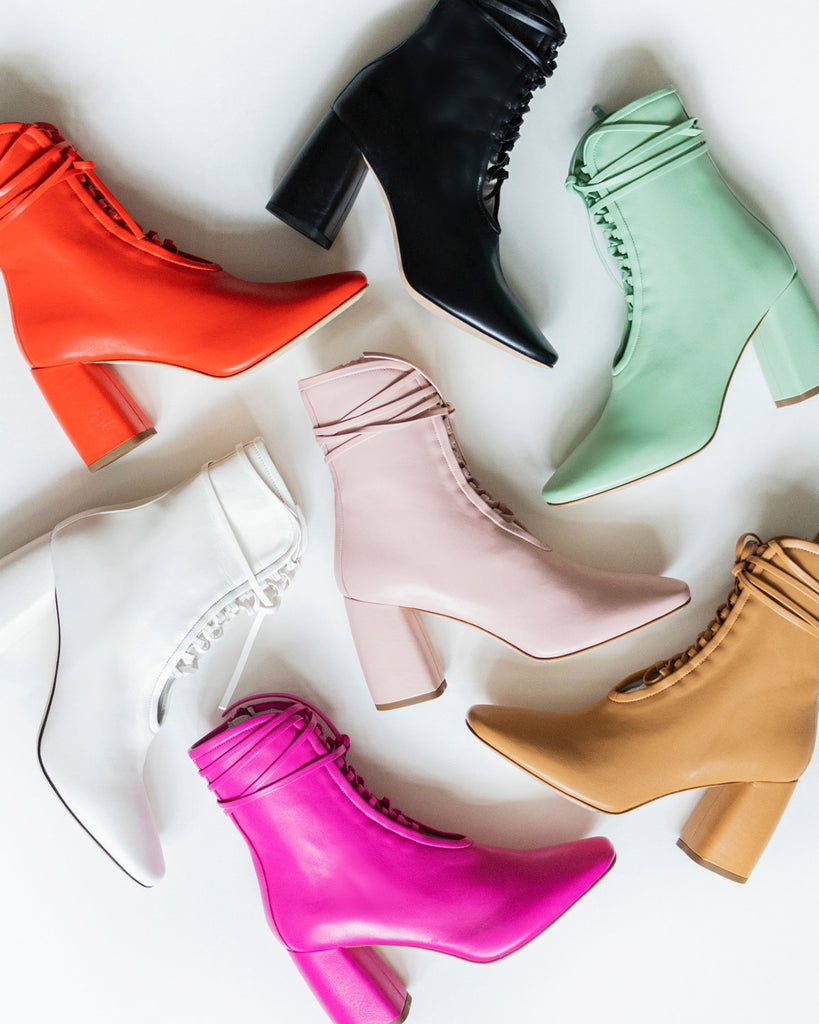


Designer block heels for bridesmaids are the smartest choice because they combine the stability of a wider heel base with the polish a formal wedding look demands. The right pair comes down to heel height, venue, durable materials, and a comfort-first build that supports you from the first photo to the last dance.
You're probably in the familiar bridesmaid bind. You want a beautiful shoe that works with the dress, photographs well, and doesn't leave you barefoot by cocktail hour.
My view is simple. Luxury should not be painful. If a bridesmaid shoe can't handle standing, walking, dancing, and a long event schedule, it isn't a smart buy, no matter how pretty it looks in the box.
That's why I keep coming back to designer block heels for bridesmaids. They don't read like a compromise. They read like a woman who understands proportion, comfort, and value.
The Modern Bridesmaid's Dilemma
Being a bridesmaid sounds glamorous until you remember what the day involves. Hours on your feet, stairs, grass, pavement, photos, holding bouquets, moving quickly when the timeline shifts, and smiling through all of it.
A thin stiletto might work for a dinner reservation. It's rarely my first recommendation for a wedding day.
Why the old shoe logic no longer works
The old idea was that formal meant fragile. Narrow heel, little support, and the assumption that pain was part of dressing up.
That logic is outdated. Bridesmaids need a shoe that can survive a real schedule, not just a posed entrance.
A block heel answers that beautifully because it provides a taller silhouette while making the shoe more practical. It also gives you a much better chance of wearing the pair again after the wedding, which matters if you care about sustainable luxury and buying with intention.
My rule: never buy an occasion shoe that only works while you're standing still.
What bridesmaids should prioritize first
Most women shop backward. They start with the embellishment, then the color, then the heel, and only later think about whether they can remain in the shoe for the full event.
Start here instead:
- Venue first: Grass, stone, decking, and dance floors all ask different things from a heel.
- Wear time second: A ceremony-only shoe is different from a morning-to-midnight shoe.
- Fit before fantasy: If the shoe pinches in the store, it won't become magical at the reception.
- Repeat wear value: The smartest pair works again for dinners, parties, and future weddings.
This is where craftsmanship matters. A handcrafted shoe in quality leather or refined fabric behaves differently on the foot. It flexes better, wears better, and usually looks better after the event too.
If you want one clear recommendation, it's this. Choose the shoe that lets you stay present. The whole point is to enjoy the celebration, not count the minutes until you can take your heels off.
Why Block Heels Are The Smartest Wedding Investment
A block heel wins on mechanics first, aesthetics second. That order matters.
Bridal guides consistently point to the wider heel base as the reason block heels feel more stable for weddings, especially when the day includes standing, walking, dancing, and uneven ground. The Knot describes block heels as thicker than stilettos and notes that the extra width can provide more stability, comfort, and confidence for people who don't wear heels often, as outlined in The Knot's guide to block heel wedding shoes.

Stability is the whole game
When a heel base is wider, your foot feels less precarious. That changes how you walk, how long you can stand comfortably, and how confident you feel moving across a venue.
That confidence matters more than people admit. A bridesmaid is never stationary for long.
You're turning, walking in sync, stepping onto different surfaces, and staying camera-ready. A block heel supports that movement pattern better than a stiletto because it doesn't ask your body to do as much balancing work with every step.
The better shoe often looks calmer
There's also a visual advantage. A block heel can make your posture look more natural because you're not fighting the shoe.
When a woman feels secure, her stance softens. The outfit reads better. The photos usually do too.
If you're comparing options, pay attention to how the shoe feels in motion, not just how it looks from the side. That's the difference between a purchase you tolerate and one you trust.
For a useful style breakdown, I'd look at this guide to the block heel pump, especially if you're deciding between a cleaner pump shape and a strappier sandal.
A wedding shoe should let you walk normally. If you have to shorten your stride to survive it, reject it.
What I'd choose over a stiletto
For most bridesmaids, block heels make more sense when the day includes:
- Outdoor ceremonies: Lawns and garden paths are unforgiving to narrow heels.
- Historic venues: Cobblestones, wood planks, and older stone floors demand balance.
- Long receptions: If dancing is part of the plan, your heel needs to behave under movement.
- Repeat wear goals: A stable heel has a much easier life beyond the wedding.
A stiletto still has a place. It's just not the most intelligent default for an event that asks so much from your feet.
How to Decode Heel Height for All-Day Celebrations
Heel height isn't just a style choice. It's a logistics choice.
For bridesmaids, bridal guides classify block heels into practical bands of low (1–4 cm), mid (7–8 cm), and high (9–10.5 cm), and they note that the wider heel base improves balance during long standing and walking periods by spreading load over a larger contact area, as explained in Bella Belle's block heel wedding shoe guide.
Low heels for outdoor ease
A low block heel is the most forgiving option if the wedding includes grass, gravel, or a full day of movement. It gives polish without forcing your foot into an aggressive angle.
This is the category I recommend for garden ceremonies, destination weekends, and bridal parties who know they'll be moving constantly. It's also the easiest height to rewear for work dinners and dressier daytime events.
Mid heels for the sweet spot
A mid heel is usually the smartest compromise. You get height, presence, and a more dressed-up line, but the shoe can still feel manageable deep into the evening.
For many bridesmaids, this is the range that delivers the best day-to-night versatility. It's elegant enough for black-tie-adjacent dress codes and practical enough for real movement.
Practical rule: if you want one pair to cover ceremony, reception, and future events, start with a mid block heel.
High heels for formal impact
A high block heel can work beautifully in a ballroom, formal hotel, or city venue with smooth surfaces. The key is honesty.
If you rarely wear heels, don't use someone else's wedding to experiment with the highest pair you can find. High heels still demand more from your calves, your balance, and your forefoot, even with a block structure.
Platform versions can help because they reduce the perceived steepness under the foot. I always look at overall pitch, not heel height alone.
Block Heel Height Guide for Bridesmaids
| Heel Height | Best For (Venues) | Comfort Level (8+ Hours) | Style Note |
|---|---|---|---|
| Low (1–4 cm) | Gardens, lawns, beach-adjacent settings, daytime ceremonies | High for extended wear | Clean, understated, easy to rewear |
| Mid (7–8 cm) | Hotels, rooftops, city weddings, mixed indoor-outdoor events | Strong balance of height and comfort | The most versatile option for most bridesmaids |
| High (9–10.5 cm) | Ballrooms, formal indoor venues, evening receptions | Depends heavily on fit and pitch | Most dramatic silhouette, best for confident heel wearers |
My fast selection method
If you're stuck, use this filter:
- Choose low if the venue is uneven or you know comfort is your top priority.
- Choose mid if you want the safest all-around investment.
- Choose high only if the surface is controlled and you already wear heels comfortably.
The right height should support the event, not challenge it.
Choosing Materials for Venue Dress Codes and Versatility
Material is where a wedding shoe either becomes a wardrobe piece or stays trapped in the “special occasion only” category.
I've seen women choose a satin pair that looks lovely for one evening and immediately feels too specific for the rest of their lives. I'd rather see you buy something with longevity. That usually means leather, suede, metallic finishes, or refined textural materials that can move beyond the ceremony.

Leather for polish and repeat wear
A soft leather block heel is the workhorse of a smart occasion wardrobe. Good leather tends to adapt more naturally to the foot, and it usually looks better after multiple wears than heavily embellished fabric styles.
For bridesmaids, I especially like metallic leather, soft neutral leather, and subdued gold or silver tones. They work with formal dresses, but they also style beautifully with tailoring, denim, and evening separates later on.
Italian and Portuguese craftsmanship matters. The finishing, lining, and construction often determine whether a shoe feels rigid and ceremonial or supple and wearable.
Suede and texture for softer dress codes
Suede reads a little less bridal and a little more fashion-forward. It's excellent for city weddings, autumn events, and color stories that lean richer or moodier.
The trade-off is care. If you're considering suede for a wedding weekend, read this guide on taking care of suede shoes before you commit.
Match the material to the venue
At this stage, smart shoppers separate themselves from impulsive ones.
- Garden wedding: Choose leather or a finish that won't look ruined by a little contact with the ground.
- Beach or resort setting: Keep the design open, breathable, and visually lighter.
- Ballroom or black-tie event: Polished leather, metallics, or velvet-adjacent texture work well.
- Urban rooftop: Sleek leather and architectural shapes usually look most at home.
The most versatile bridesmaid shoe doesn't scream “bridal.” It simply looks refined.
Think beyond the dress
A block heel should earn a second life. I want to know whether you'd wear it with a dark trouser, a silk skirt, a sharp blazer, or a simple column dress after the wedding.
That's the test.
If the answer is yes, it's no longer a one-day purchase. It becomes part of a more thoughtful wardrobe. That's the heart of sustainable luxury. Buy less, choose better, and wear the piece often enough that it justifies its place.
The Art of the Perfect Fit From Day to Night
Most shoe pain starts long before the event. It starts with a woman talking herself into a fit that was wrong in the fitting room.
If a shoe pinches at the toe, slips at the heel, or forces your foot forward, don't rationalize it. Weddings are long, and feet don't get smaller as the day goes on.
Fit is more than size
A number on the sole isn't enough. You need to think about width, toe shape, arch placement, strap position, and how the upper holds the foot when you walk.
That matters even more if you deal with bunions, higher arches, narrower heels, or a wider forefoot. A pretty shoe that ignores your foot shape is just an expensive mistake.

What I tell women in the fitting room
Start with timing. Shop later in the day, when your feet are a bit fuller and more honest.
Then test movement, not just mirror appeal.
- Walk properly: Take real steps, turn, and stop suddenly.
- Check pressure points: Pay attention to the big toe joint, little toe, heel, and top line.
- Notice forward slide: If your foot keeps pushing toward the front, the pitch may be wrong for you.
- Assess the upper: Soft, flexible materials usually forgive more than stiff ones.
A comfort-first design often comes down to details women don't see immediately, like lining softness, foam placement, and whether the shoe holds the foot without strangling it.
A shoe should feel secure, not restrictive. Those aren't the same thing.
Comfort features that actually matter
I care far more about construction than marketing language. Terms like “comfortable” are meaningless unless the shoe has design choices to support the claim.
Look for features like these:
- Memory foam under pressure zones: This can soften impact where you feel it most.
- Glove-like fit: The upper should follow the foot instead of fighting it.
- Balanced pitch: Height is one thing. The angle under your foot is another.
- Breathable materials: Feet need room and airflow over a long event.
For practical advice on wearability, this article on how to wear heels comfortably is worth reading before you buy.
My personal standard for an event shoe
When I work with women shopping for a major event, I ask one question: would you trust this shoe for the final two hours, not just the first two?
That's where quality shows itself. A well-made, handcrafted heel in soft leather with thoughtful cushioning can stay composed late into the night.
The wrong pair starts negotiating with you before dinner.
A Bridesmaid Shoe Is a Wardrobe Investment
The fastest way to overspend on wedding shoes is to think of them as disposable. That mindset pushes women toward novelty over quality.
Bridal footwear already sits inside a premium market where shoppers clearly accept meaningful price points for design and comfort. In Saks Fifth Avenue's bridal assortment, designer wedding shoes include styles priced at $598, $1,345, and $1,950, which shows how normal premium and luxury spending has become in this category, as seen in Saks Fifth Avenue's wedding shop bridal shoes.
Price is not the same as value
A high price doesn't guarantee a smart purchase. But it does tell you something important. Women are already willing to invest in event footwear when the design feels special enough.
So if you're going to spend real money, spend it on a pair you'll use again.
That means avoiding shoes that are so bridal-coded they become costume after one wear. It also means favoring silhouettes with enough restraint to move into the rest of your wardrobe.
How I evaluate investment shoes
I look at four things:
- Rewear potential: Could this work for another wedding, dinner, or formal work event?
- Material longevity: Will the upper age well and hold its shape?
- Construction quality: Does it feel built for repeat wear?
- Care and repair value: Is the shoe worth maintaining over time?
If the answer to most of those is no, it isn't an investment. It's a one-night rental in disguise.
For a closer look at how skilled making changes the result, read more about handcrafted women's shoes.
Buy the pair you'll still want when the wedding album is no longer on your coffee table.
Sustainable luxury starts with repeat wear
My opinion on this matter is resolute. Sustainable luxury isn't about buying less attractive shoes. It's about buying more intelligently.
A refined block heel that works for weddings, dinners, events, and travel has a place in a serious wardrobe. A hyper-specific pair that never leaves the dust bag again does not.
If you care about cost per wear, longevity, and craftsmanship, the bridesmaid shoe should be treated like any other lasting purchase. It should solve a problem today and still deserve shelf space later.
The Daniella Shevel Answer to All-Day Wedding Comfort
When women ask me what to look for in a wedding heel, I come back to the same formula. Stable shape, balanced pitch, materials that soften against the foot, and cushioning that supports wear over a full event.
That's why block-heel silhouettes remain one of the most practical dress options for bridesmaids who refuse to carry backup flats.

What I'd prioritize in a real shopping shortlist
If you're narrowing your options, focus on shoes that check these boxes:
- A stable block heel: This is the essential foundation.
- Soft upper materials: Leather and flexible constructions tend to perform better over time.
- Comfort-first interiors: Cushioning matters for an all-day event.
- Neutral versatility: Metallics, nudes, and understated tones re-enter your wardrobe more easily.
For bridesmaids who want something polished but wearable again, I'd look at styles with a clean strap layout and secure fit, not overly complicated uppers that can rub or distract from the dress.
A useful benchmark is a style like the ISABELLA heel, which fits the block-heel brief well for events that run long. If you prefer a lighter sandal shape, the NOLA sandal is the kind of profile that can work for weddings and later evenings out.
Why fit engineering matters more than trend appeal
In my experience, the women happiest with their wedding shoes didn't chase the loudest pair. They chose the one that respected their foot.
That usually means looking for memory foam, a more glove-like hold, and craftsmanship that considers how the shoe behaves after hours of wear. It's also why many women do better with a lower or mid-height option than with the highest heel available.
If you want to see the comfort mindset in motion, this short video is a useful visual reference.
For women who need more coverage or a softer fit feel, the ROMI mesh bootie shows how breathable structure can still look refined. If your style leans lower and more grounded, the CLEO low-heel boot is another example of occasion-friendly comfort with repeat-wear potential.
If you're shopping the event category broadly, the comfortable wedding guest shoes edit is the most efficient place to compare silhouettes that fit the no-backup-flats standard.
Step Confidently Into the Celebration
A bridesmaid shoe should support the day's reality, not the fantasy of standing still for photos. That's why designer block heels make sense. They deliver poise, stability, and far better odds of lasting from ceremony to final song.
Choose the heel height for the venue. Choose materials you'll want to wear again. Choose fit over wishful thinking. If dancing matters, this guide to shoes for dancing at a wedding is worth bookmarking before you decide.
The smartest purchase is the one that still feels right after the bouquet is set down and the music starts.
If you're ready to find a pair you'll enjoy wearing all day, explore Daniella Shevel and shop the wedding-ready styles that combine comfort-first design, handcrafted construction, and real wardrobe longevity.