



TL;DR: The best designer heels for wide feet are built with a foot-shaped toe box, real cushioning under the ball of the foot, and uppers that mold instead of pinch. Comfort starts with engineering. Beautiful shoes fail wide feet when the last is too narrow, the pitch is too steep, and the materials have no give.
You know the moment. You leave the house looking polished, step through a full workday, and by the second venue your toes are numb, your bunion is throbbing, and every graceful step has turned into damage control.
I designed shoes because I was tired of watching women accept this as normal. A heel for a wide foot should not be a prettier version of a compromise. It should be built differently from the inside out. The shape of the toe box, the placement of the padding, the angle of the heel, and the behavior of the leather all decide whether you can wear the shoe for ten hours or forty minutes.
That distinction matters most to the woman with no patience for backup flats.
If your forefoot runs wide, your arches sit high, or your feet swell by late afternoon, stop chasing tricks. Skip the gel pads, the stretching sprays, and the “they’ll break in” fantasy. Choose heels with sound architecture and materials that work with your foot, because true luxury should carry you through your day without asking for a second pair.
The Search for Heels You Can Live In
I think the backup-flats habit says everything. Women don’t carry a second pair because they’re indecisive. They carry a second pair because they’ve been trained to expect betrayal from their heels by mid-afternoon.
The problem gets sharper when your day doesn’t allow for a costume change. You leave home early, walk to the train, cross a lobby, sit through meetings, stand at an event, and head straight to dinner. Your shoes have to perform for every version of you.

That’s exactly why this category has changed so quickly. Since the 2020 wellness boom, demand for comfortable designer heels for wide feet has surged by 180% in major markets, and Nordstrom has seen wide-width heel sales up 45% year over year through 2026, reflecting the shift toward office-to-dinner versatility, according to Corporette’s coverage of wide heels.
Why the old compromise no longer works
For years, women accepted a bad equation:
- Beauty first: the shoe looked refined.
- Comfort second: the pain arrived later.
- Workaround always: gel pads, stretching sprays, taxis, backup flats.
That equation fails modern life. If you’re moving through New York, London, or any city where your schedule is stacked and your walking isn’t optional, a heel that only survives a car-to-chair evening isn’t enough.
Comfortable heels for wide feet aren’t a niche indulgence. They’re functional wardrobe equipment.
What I tell women who feel shut out by designer footwear
You are not difficult to fit. The shoe is often built on the wrong assumptions.
A well-designed heel for a wide foot shouldn’t look orthopedic, bulky, or apologetic. It should still feel elegant. It should still work with tailoring, silk, denim, and black tie. It just has to be built by someone who respects how a real foot moves during a real day.
If you want a place to start shopping with that lens, browse the work shoes collection and the heels collection. If your calendar leans formal, the wedding guest edit is also worth a look.
Why Do Most Designer Heels Fail Wide Feet?
The issue isn’t your imagination, and it isn’t poor shoe discipline. It’s design.
Podiatric studies show that 40-50% of women have feet wider than the standard B width, yet a 2018 McKinsey report found that 65% of female luxury shoe buyers abandon purchases due to fit issues, costing the industry over $2 billion annually, as summarized by Vaneli’s report on comfortable high heels for wide feet.
The luxury industry built for a narrower foot than many women have
Most designer heels are still shaped around a narrow visual ideal. That last, the mold the shoe is built on, often prioritizes a slim silhouette over foot reality.
If your foot is fuller at the ball, broader through the toes, or affected by a bunion, the mismatch starts immediately. The shoe pushes inward where your foot needs space, and then everything else gets worse from there.
Three common failure points show up again and again:
- The forefoot gets compressed: your toes can’t spread naturally.
- The topline cuts in: soft tissue gets rubbed instead of held.
- The pitch throws you forward: pressure dumps into the front of the foot.
Why wide feet suffer faster in heels
A wide foot in a narrow heel doesn’t just feel snug. It changes how you stand and walk.
When the front of the shoe is too tight, many women grip with their toes to stabilize themselves. That creates tension through the foot, then fatigue, then friction. If you already have a bunion or any sensitivity at the joint, the wrong heel shape turns irritation into a full evening problem.
What matters most: If a shoe feels tight while you’re standing still, it won’t improve once you start commuting in it.
The fit problem isn’t only about width labels
Many women often waste money. They look for a “wide” label, but the label alone doesn’t solve the structural issue.
A shoe can be marked wide and still fail if:
| Problem | What it feels like | What it means |
|---|---|---|
| Forefoot is wider but shallow | Toes still feel pressed from above | The volume is wrong |
| Heel slips while the front pinches | Foot slides forward | The pitch and hold are wrong |
| Material is rigid | No relief after an hour | The upper won’t adapt |
| Insole is flat and hard | Burning at the ball of the foot | Pressure isn’t being dispersed |
That’s why some women say, “I’ve tried wide sizes and they still hurt.” I believe them.
If you want heels you can trust, stop shopping by brand prestige first. Shop by anatomy first, then craftsmanship, then silhouette.
The Anatomy of a Perfect Wide-Fit Heel
You know the pair. They look polished in the box, survive ten minutes at your desk, and turn punishing by the time you have crossed the lobby, taken the elevator, and stood through your first meeting. A heel you can live in is built very differently.
The best designer heels for wide feet succeed because the architecture is right from the start. The last has to respect the shape of a wider forefoot. The materials have to give without collapsing. The insole has to manage pressure, not just feel soft when you press it with your thumb. That is the difference between a beautiful heel and a heel a professional woman can wear all day with no backup flats in her tote.

The toe box should follow your foot, not fight it
I start with the front of the shoe every time.
A wide foot needs a toe box that holds width farther forward, especially around the big-toe joint and across the metatarsals. A pretty silhouette is still possible. The mistake is assuming elegance requires aggressive tapering. It does not. Good design keeps the line refined while allowing the forefoot to sit flat and natural.
Here is what to look for:
- A pointed toe that narrows late, not early
- An almond or square toe with honest forefoot space
- Enough depth that the top of the foot is not being pressed down
If you want a work-appropriate shape that usually handles this balance well, read Daniella Shevel’s guide to the block heel pump.
Pitch matters more than height
Women get distracted by the number on the heel. I care about where your weight lands.
A four-inch heel with smart pitch can feel better than a lower shoe that throws you straight onto the ball of the foot. The right pitch keeps your posture stacked instead of forcing compensation through your toes, calves, and lower back. You feel steadier. You walk better. You stop thinking about your shoes every five steps.
A stable heel base helps, too. It should give you enough ground contact to move quickly, stand through long events, and handle real sidewalks without that shaky, overcorrecting feeling.
The upper should adapt with wear, not punish you into submission
Material choice is not a luxury detail. It changes the entire experience of the shoe.
For wide feet, I prefer supple leather or suede that can mold gently to the foot while still keeping the shape of the design. Stiff uppers usually create hot spots at the bunion area and along the outer forefoot. Softer, better-cut materials get kinder after wear. Cheap rigid materials get harsher.
That is why comfort-first design has to start at the pattern and material stage, not as an afterthought added with extra padding.
The insole has to solve pressure
Many heels fall short.
A comfortable insole is not just cushioned. It is strategically built. You need support under the ball of the foot, enough contour through the arch to keep you from collapsing inward, and a secure heel seat that stops the foot from sliding forward. If those three parts are missing, the shoe will feel increasingly worse as the day goes on.
I use this checklist when I assess a heel:
- The ball of the foot feels protected, not exposed
- The arch feels supported, not pushed
- The heel stays planted
- The forefoot is not doing all the work
That is the anatomy that matters. For the woman who dresses for a full day, not just a car-to-dinner entrance, a good wide-fit heel is an engineering decision as much as a style one. Daniella Shevel’s approach has always reflected that reality. The shoe has to perform beautifully under pressure or it is not worth the investment.
A Personal Guide to Measuring and Fit-Testing
You get dressed for a full workday, slide into the heels you were sure would work, and within an hour you are already adjusting your stride to protect one side of your forefoot. That is not a style problem. It is a fit problem, and wide feet expose it fast.
Most women know their shoe size. Far fewer know the shape of their foot. That gap is expensive. If you do not know where you are widest, where you swell, and which foot asks for more room, you will keep buying beautiful shoes that fail under real life.

Measure at the end of the day
Measure your feet when they are honest. That means later in the day, after walking, standing, and normal swelling.
Stand up fully on a sheet of paper or use a tape measure. Measure both feet. Focus on the widest part of the forefoot, then compare right to left. One foot being slightly larger is common, and it should guide your buying decisions every time.
If you are still unsure whether your fit issue is width, volume, or shape, read this guide on how to tell if you need wide shoes. It helps you identify the difference before you waste money on the wrong silhouette.
My at-home fit test for newly delivered heels
Do not judge heels while sitting on the edge of your bed. Get on a hard floor. Stand, walk, turn, and let the shoe reveal its structure.
This is the test I use:
- Toe check: your toes lie flat. No curling, no overlap, no pinching at the sides.
- Joint check: the shoe stays calm over the bunion area and outer forefoot. You should not feel one sharp pressure point immediately.
- Heel check: your heel stays seated as you walk. A little movement can happen. Repeated slipping is a bad sign.
- Instep check: the upper holds you in place without digging across the top of the foot.
- Pitch check: your weight feels distributed, not dumped onto the ball of your foot.
If a pair fails two of these tests in the first few minutes, send it back. Do not create a fantasy about breaking it in. Good architecture feels good early.
Fit rule: A quality heel may soften with wear, but it should not ask you to tolerate obvious pressure on day one.
A visual demo can help if you’re more of a see-it-than-read-it person:
What a promising fit feels like
A promising heel feels stable, calm, and secure. You should not feel the urge to perch, hobble, or sit down right away. You also should not notice one angry spot and hope it disappears later. It usually does not.
This matters even more for the woman who has no backup flats in her tote. She needs a heel that can handle hours of movement, meetings, pavement, and standing conversations without turning the forefoot into the shock absorber. That is why I tell women to judge a shoe like a piece of design engineering, not a display object.
For longer days, start with heel shapes that give you a broader base and uppers that hold the foot without crushing it. The right pair should feel polished and controlled from the first walk across the room.
Spotlight on Solutions The Daniella Shevel Difference
You leave home at 7:30 in a well-fitting trouser, take meetings all day, grab dinner after work, and never once have the option of changing shoes. That woman does not need a pretty heel. She needs one built like a disciplined piece of design.
There is still a blind spot in luxury footwear. Too many designer heels are made for the entrance, not for the full day. The woman with a real schedule gets ignored. As noted in this video discussion of the no-backup-flats problem, that gap is real, and it is exactly the problem I design for.

For the no-backup-flats executive
A work heel for wide feet has to do three things at once. Hold the foot securely, distribute pressure intelligently, and still look sharp with serious clothing. If one of those fails, the shoe becomes decoration.
I recommend a stable heel shape, a soft upper that gives without collapsing, and enough coverage to stop the foot from sliding forward. That is why the Isabella style works so well. It has polish, but it does not punish. You get the authority of a pump without that stiff, brittle feeling that ruins so many traditional office shoes.
For the wedding guest who plans to stay until the last dance
Occasion shoes fail wide feet because they are often designed around delicacy. Thin straps, narrow lasts, unstable heels. They photograph beautifully and perform terribly.
I prefer elegance with substance. The Cleo style gives you that balance. It looks refined, but it is built for actual wear, not just the walk from the car to the table. If you are dressing for a ceremony, reception, and hours on your feet, my guide to bridal shoes in wide width will help you choose with more discipline.
For the traveler who needs one pair to cover everything
Travel is brutally honest. The wrong heel reveals itself on cobblestones, in airports, on long hotel corridors, and halfway through dinner when your feet start swelling.
For travel, I look for these traits:
| Need | Smart choice |
|---|---|
| City walking | A lower, stable heel with a secure upper |
| Day-to-night packing | A neutral silhouette that works with denim and dresses |
| Foot fluctuation | Materials with some give |
| Limited luggage | One versatile pair over three fragile pairs |
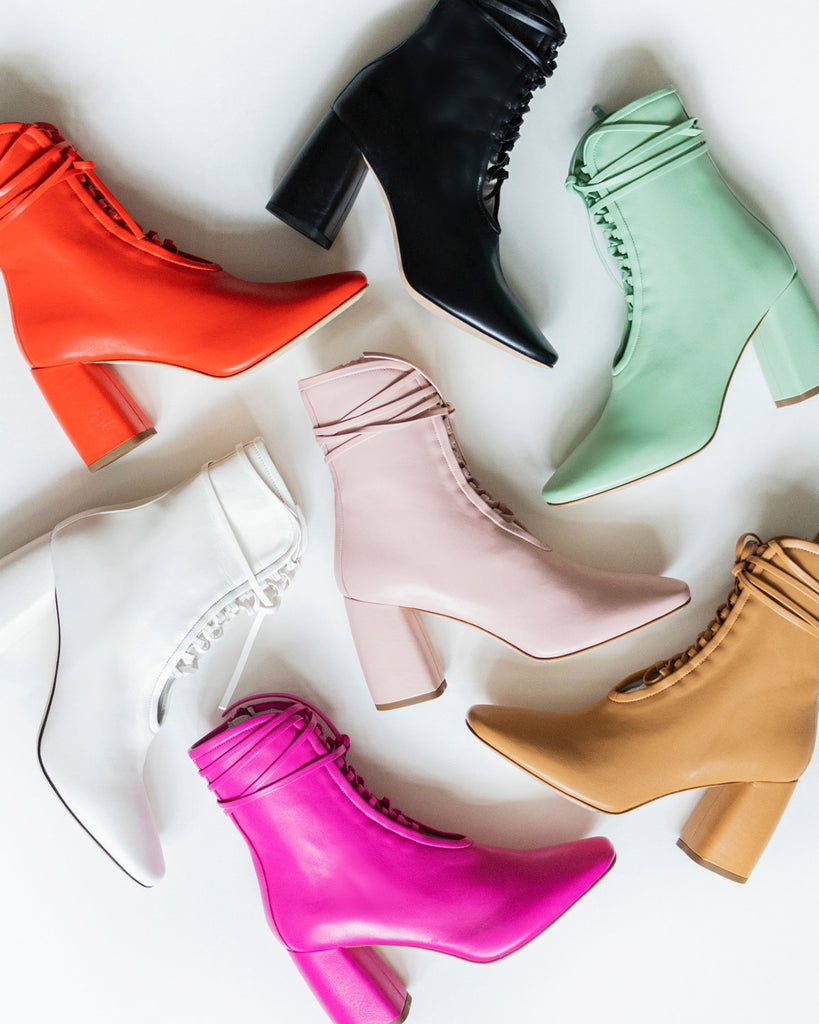
The Romi bootie earns its place because it offers coverage, stability, and shape in one silhouette. It is especially smart for women who want more room across the forefoot without losing a refined line.
Why the construction matters
Daniella Shevel approaches comfort through architecture and materials, not padding alone. The line is handcrafted with glove-fit construction and a proprietary three-part memory foam system used across styles such as the Romi, Cleo, Isabella, and Nola. That combination matters because wide feet need more than softness. They need support, containment, and pressure relief working together.
This is the difference I care about most. A luxury heel should respect the mechanics of a real foot and the demands of a real day.
Buy the heel that can carry your calendar, not the one that only survives the photo.
If you are comparing options, start with the new arrivals and judge each silhouette by how well it handles work, events, and movement in the same day.
Investing in Longevity and Sustainable Luxury
A painful heel is expensive even when it isn’t the highest price tag in your closet. If you wear it twice, resent it both times, and keep replacing it with another hopeful purchase, that’s not luxury. That’s waste.
The market talks a lot about finding a better fit, but it rarely addresses the cost-per-wear paradox for women with wide feet who limit how often they use premium shoes because the experience is uncomfortable. That gap is discussed in this PurseBlog thread on comfortable designer heels for wide feet.
Cost per wear starts with honest wearability
A shoe earns its place when you reach for it repeatedly. That only happens when comfort, versatility, and durability align.
For me, an investment heel should do at least three jobs well:
- Work hard across occasions: office, dinner, travel, events.
- Age gracefully: quality leather or suede should improve, not collapse.
- Remain serviceable: stretching, repair, and care should extend its life.
That’s why handcrafted footwear matters. A well-made shoe can often be maintained, adjusted, and kept in rotation far longer than a disposable fashion pair.
Buy less, buy better is the right lens
Sustainable luxury isn’t about buying nothing. It’s about buying with discernment.
If a shoe has glove-fit construction, proper support, and enough design intelligence to keep you from cycling through replacements, it becomes the more responsible purchase. That’s especially true if the brand offers repair, stretching, or a circular donation program.
For background on the making side of that philosophy, I’d read Daniella Shevel’s article on handcrafted women’s shoes. It’s the right perspective if you’re tired of trend churn and want pieces that justify staying in your wardrobe.
Your Questions on Wide-Fit Heels Answered
Can women with wide feet wear pointed-toe heels
Yes, if the point starts later and the shoe holds width farther forward. A pointed silhouette isn’t the problem. A prematurely narrowed forepart is the problem.
Do I always need a shoe labeled wide
No. Some women need an official wide fit. Others need better material, better pitch, and a less aggressive toe shape. A smartly engineered standard fit in soft leather can outperform a badly designed wide shoe.
Are lower heels always more comfortable
Not automatically. A low heel with a poor pitch can still feel miserable. I’d rather wear a well-balanced mid heel than a badly engineered low one.
What matters most if I have bunions or pressure at the ball of the foot
Look for three things first:
- Forefoot space: the joint must not be compressed.
- Soft upper materials: they should adapt rather than fight.
- Underfoot support: cushioning has to sit where pressure lands.
Should I size up for wide feet
Sometimes, but sizing up often creates a new problem. The heel slips, your foot slides forward, and the front gets crowded anyway. Width and shape matter more than adding length.
What kind of heel is easiest for long professional days
For many women, the answer is a stable pump or a structured boot with enough hold across the foot. If you want more guidance on support under pressure, this article on arch supports for high heels is a strong companion read.
The wrong shoe asks your foot to adapt to it. The right shoe has already adapted to the way a real foot lives.
Begin Your Journey to Empowered Style
You don’t need to settle for shoes that look expensive and feel punishing. You need heels with a shape that respects your foot, materials that move with you, and underfoot support that lasts beyond the first hour.
That’s the true standard. Not “comfortable for a heel.” Comfortable enough for your actual life.
Choose the pair that can carry you through your commute, your meetings, your dinner, and the walk home without negotiation. Start with silhouettes built for all-day wear, then judge every option by the same three tests: toe box, cushioning, and material response.
If you’re ready to shop with that level of clarity, explore the pumps collection, the block heels edit, or the bridal shoes collection.
If you’re done compromising, start with Daniella Shevel. Shop the pairs built for day-to-night wear, find the silhouette that fits your schedule, and choose heels you’ll want to keep on.