

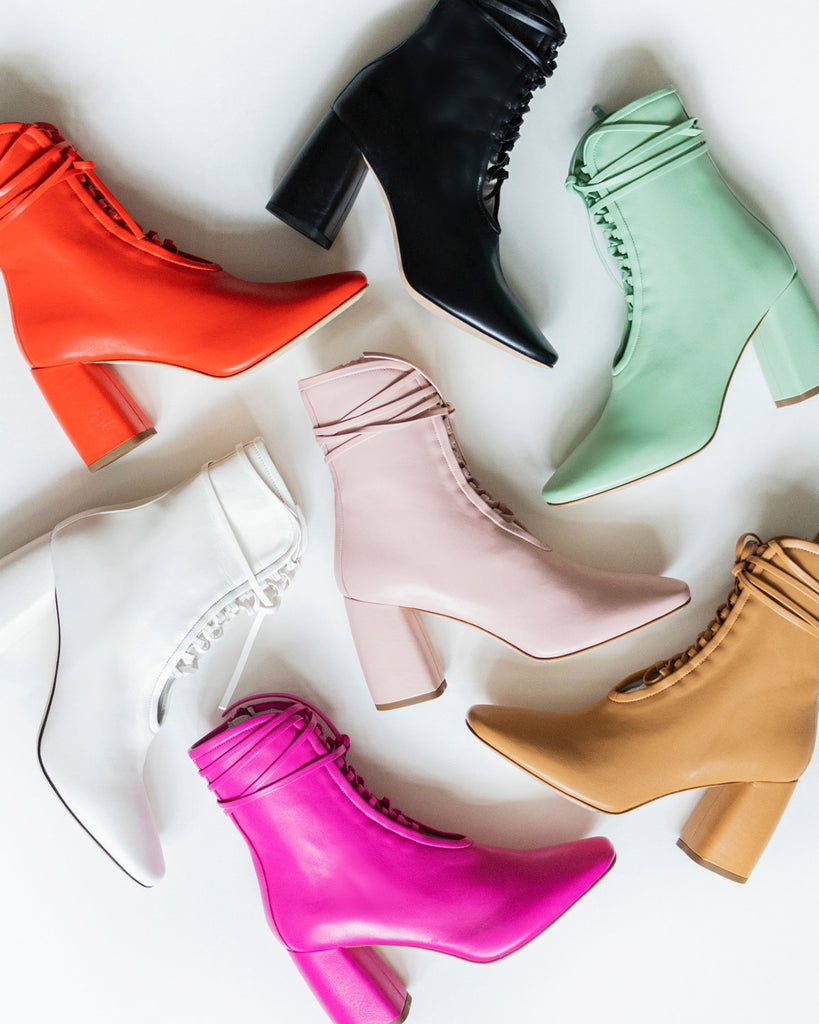


You're probably staring at an open suitcase, one hand on a beautiful pair of boots, the other trying to justify a backup flat you already know you won't wear. Here's the direct answer to how to pack shoes for travel. Choose fewer, more versatile pairs, protect their structure before they go into the case, and place them strategically so they don't crush your clothing or each other.
I pack with one rule above all: if a shoe can't walk, work, and still look right at dinner, it doesn't come. Quality footwear deserves better than being tossed into a suitcase like an afterthought, especially when you've invested in handcrafted construction, comfort-first design, and day-to-night versatility.
I've learned this through factory visits in Italy, long days on city streets, and years of hearing the same frustration from women who are done with painful “pretty shoes.” Luxury should travel well. Luxury should feel good. And if you buy thoughtfully, you don't need to sacrifice style for comfort on the road.
If you care about long-term value, this perspective on handcrafted women's shoes is worth reading before your next trip.
The Art of the Perfect Travel Shoe Edit
The mistake isn't bringing shoes. The mistake is bringing shoes without a job.
Every pair in your suitcase should earn its space. I edit travel shoes the same way I edit a collection. One pair should carry the daytime miles. One should move easily into evening. One can be specific to weather, event dressing, or a particular itinerary. That's enough for most trips.
Start with function, then insist on beauty
When women overpack shoes, they're usually trying to solve anxiety, not style. They're planning for blisters, weather, outfit changes, and that familiar fear that the chic pair won't last through the day.
That's why I'm opinionated about this. Your travel packing gets much easier when your shoes are built for real life.
Practical rule: Pack the pairs you trust when your day runs long, plans change, and you still want to look polished.
A pointed boot that works with tailoring and denim. A flat that can handle museums and meetings. A low heel that survives dinner after a full day on your feet. That's the mindset.
Protect the investment, not just the outfit
Beautiful shoes don't fail in transit because they're delicate. They fail because people pack them carelessly.
A structured vamp gets flattened. Suede rubs against a zipper. Raffia gets crushed under a toiletry case. Then the shoe arrives looking tired before you've even worn it. That's avoidable.
My philosophy is simple:
- Choose versatility: Favor silhouettes that can cross occasions.
- Preserve shape: Never leave the interior hollow.
- Pack with intention: Placement matters as much as shoe choice.
This is especially true if you buy sustainable luxury with longevity in mind. A well-made shoe should travel repeatedly, not just survive one trip.
The Foundation Selecting Your Travel-Ready Trio
I use a simple framework. Pack three categories, not three random pairs.

The walking shoe
This is your workhorse. It should handle long streets, airport terminals, and uneven pavement without looking athletic unless that's the point of your trip.
I lean toward a polished flat or a soft boot with enough support to carry the day. If Europe is on your calendar, start with a pair made for serious walking and read this guide to best shoes for walking in Europe.
Handcrafted footwear earns its place here. According to this piece on handmade Italian leather shoes that last, handcrafted Italian leather shoes can last 10–15 years with proper care, which is up to ten times longer than factory-made footwear, thanks to construction methods such as Goodyear-welted or Blake-stitched soles.
The day-to-night pair
This is the hero. It should work with a dress, structured trousers, and denim. It should feel intentional at lunch and still look right under low evening light.
Women often sabotage themselves by packing something dramatic but impractical. Don't. Bring the pair you can wear for hours.
A high-vamp silhouette or refined low boot often does this better than a barely-there heel. It gives coverage, polish, and comfort in one move. If you want one pair that can carry office, dinner, and travel days, shop a style like Romi and let it do the heavy lifting.
A travel shoe should solve outfit problems, not create them.
The specialist
Your third pair depends on the itinerary.
Sometimes it's a wedding heel. Sometimes it's a weatherproof boot. Sometimes it's a sandal for resort evenings. The point is that this pair fills a clear gap the other two can't.
Use this quick test:
| Trip type | Specialist shoe |
|---|---|
| City business travel | A low heel or polished pump |
| Rainy or cold destinations | A protective boot |
| Warm-weather dinner travel | An elegant sandal |
If your specialist pair also has repeat-wear value, even better. That's sustainable luxury in practice. For event dressing that still feels wearable later, start with the wedding edit.
How Do You Protect Luxury Shoes in a Suitcase
If you own luxury shoes, you need to pack for structure, not just cleanliness.

The biggest mistake I see is leaving the shoe cavity empty. That's how toe boxes collapse, vamps crease, and a beautifully engineered fit starts to distort before you arrive. According to these expert packing tips for shoes, stuffing the shoe cavity with socks or tissue paper is essential, and uninspected voids lead to a 40% higher risk of toe-box crushing.
What I do before a shoe goes near a suitcase
I prep shoes in this order:
- Clean first: Dirt sets into suede and leather during transit.
- Stuff firmly: Use socks, soft underwear, or tissue paper to hold the silhouette.
- Bag separately: Each shoe gets its own dust bag or soft protective pouch.
For suede pairs, friction is the enemy. For mesh, it's snagging. For raffia, it's pressure. Different materials fail in different ways, but all of them benefit from shape support and soft separation.
If you travel with suede often, keep this guide on taking care of suede shoes bookmarked. It's the maintenance counterpart to smart packing.
Match the protection to the material
I don't pack every pair the same way. You shouldn't either.
- Leather: Stuff the interior well and avoid hard pressure against buckles or hardware.
- Suede: Use a dust bag and keep it away from rough zippers or embellished garments.
- Mesh: Protect from hooks, jewelry, and sharp closures that can catch.
- Raffia or woven uppers: Never let heavy items sit on top of them.
If you want a useful comparison for padded protection in transit, especially when thinking about softness versus structure, this breakdown on compare padded shipping envelopes is surprisingly relevant. It's a good reminder that the right protective layer depends on what you're trying to shield from pressure and abrasion.
Preserve the contour first. Scuffs can often be treated. A collapsed shape is much harder to undo.
The Secrets to Space-Saving Shoe Packing
Shoes waste space when you pack around them instead of using them.

According to this guide on packing shoes when you travel, approximately 30% of a suitcase's available volume is lost when shoes are packed inefficiently, and stuffing small accessories inside each shoe can recover up to 40% of this wasted space.
Stuff, wrap, place
This is the only packing sequence I trust.
-
Stuff the interior
Fill each shoe with socks, underwear, or other small soft items. You save room and protect shape at the same time. -
Wrap each pair
Use dust bags, soft cloth bags, or another clean barrier so soles and uppers don't touch your clothes directly. -
Place with purpose
Shoes belong at the base of the suitcase, ideally near the wheels in a roller bag. That keeps the weight low and stable.
A lot of travelers improve their whole suitcase system once they understand shoe placement. If you want a broader overview of mastering efficient travel packing, that guide complements this approach well.
Here's the layout I use most often:
- Heavier shoes: Near the wheels.
- Slim flats or sandals: Along the suitcase perimeter.
- Toe-to-heel nesting: Useful when shapes allow it without pressure.
- Delicate uppers: Never under a cosmetic case or charger pouch.
For more ideas focused specifically on sleek, low-bulk footwear, see these packable luxury flats for travel.
A quick visual helps if you're a spatial packer:
Curated Packing Lists for Every Itinerary
Packing advice gets useful when it meets a real trip.

The European cobblestone trip
This is the trip where women overpack, then still wear the same one pair every day. That instinct isn't wrong. It just needs a better shoe.
Data from 2025-2026 travel surveys shows 68% of women in Europe now attempt one-shoe trips to reduce bulk, yet 54% report foot pain from inadequate support or shoe deformation during transit. A well-constructed luxury shoe solves that problem when it's packed correctly.
My recommendation is a structured boot or flat with real support and enough elegance for dinner. If your travel style leans polished and minimal, a style like Isabella makes more sense than carrying multiple mediocre substitutes.
For destination-specific wardrobe planning, these packing tips for discerning travelers are a smart companion read.
The business trip
This wardrobe should feel efficient, not dull.
You need one commuting shoe that still looks sharp in a meeting, plus one evening-capable option that doesn't require a costume change. I'd rather see a woman pack one excellent boot and one refined heel than three compromised pairs.
Consider this pairing:
- For transit and daytime meetings: A polished flat or low boot
- For dinner or presentations: A sculpted heel that still feels stable
If your calendar includes dinners, panels, and long standing stretches, browse comfortable heels with enough structure to stay composed from morning to night.
The right business-trip shoe should handle the taxi line, the conference floor, and the restaurant without asking for mercy.
The wedding guest itinerary
Event travel is where women abandon good judgment and pack shoes they already know they can't last in. Don't do that to yourself.
For a celebration that runs from ceremony to dancing, I'd pack one elegant heel and one polished flat or sandal for the surrounding trip days. The heel should work on grass, stone, or long indoor stretches without losing its shape in transit.
If you're dressing for this kind of trip, start with Nola. It's the kind of evening shoe that makes sense beyond one event, which is exactly how investment dressing should work.
The weekend city break
Restraint proves its worth.
You usually need only two pairs: one walking pair and one statement pair with day-to-night range. If the statement pair is strong enough, it may become your only dinner shoe and your second-day city shoe too.
My edit would look like this:
- One versatile bootie: For travel day, museum hours, dinner
- One flat or sandal: For lighter daytime mileage
If you want a fashion-forward option with that sort of flexibility, look at Cleo or browse boots that can carry a compact wardrobe without feeling repetitive.
On-the-Go Care and Your Next Journey
A well-packed shoe still needs attention once you arrive.
After each wear, let your shoes air out before putting them back into a closet or suitcase. If leather picks up a light scuff, deal with it quickly with a soft cloth. If suede gets damp, don't attack it while wet. Let it dry naturally, then brush it back gently. For practical upkeep between trips, keep a small kit and refer to these suede care products.
I also think travel should support a longer lifecycle for the shoes you own. If you're bringing a pre-loved pair on a trip with the intention of donating it afterward, pack it with the same care you'd give a new one. Shape matters. Scuff prevention matters. Circular fashion only works when the next wearer receives something still worth wearing.
That's why programs like Soles4Souls matter. Travelers can participate in programs that provide a $75 credit for donating pre-loved shoes, and this resonates with the 31% of Gen Z luxury buyers who prioritize ethics and sustainability in their travel and purchasing habits. Sustainable luxury isn't about owning less beauty. It's about choosing beauty that lasts, travels well, and keeps moving.
If you're ready to travel with fewer, better pairs, shop Daniella Shevel and choose shoes built for real itineraries, long days, and elegant nights.