

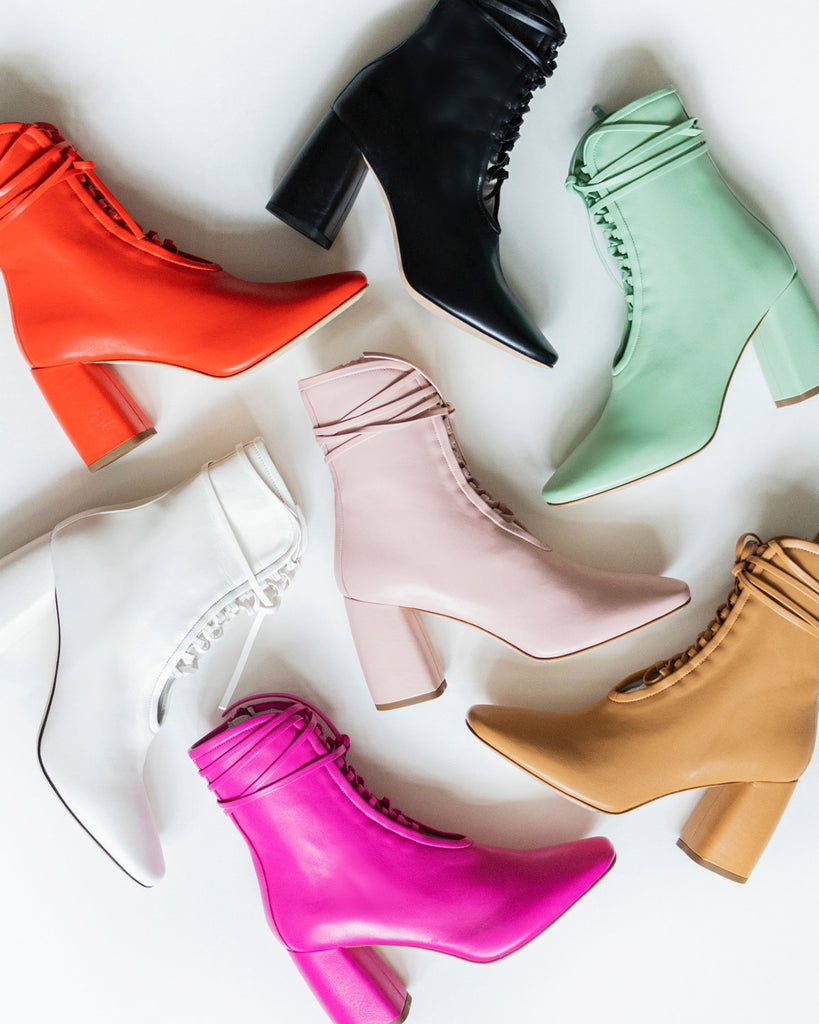


Packable luxury flats for travel should do more than fold. The category grew from bendable “travel flats” sold across a range from $9 to $215, but the modern standard is a lightweight, compressible, all-day shoe that's elegant enough to replace your backup pair.
If you're packing for a city trip right now, you probably know the old ritual. One pair for walking. One pair for dinner. One emergency pair because the “comfortable” pair usually disappoints by mid-afternoon.
I've never believed that luxury should ask you to suffer for the look. The goal isn't finding a flat that disappears into your tote for an hour. It's finding a flat you can wear from the airport to the hotel, through a museum, over uneven streets, and into dinner without mentally counting the minutes until you can take it off.
That's how I define Packable luxury flats for travel. Not as novelty fold-ups, but as refined, comfort-first shoes that reduce what you need to pack because they keep working all day. For a well-planned trip, that kind of versatility matters as much as any blazer or handbag in your suitcase.
The category itself has changed. Earlier travel flats were built to bend into a purse with thin soles and elastic edges, as noted in this roundup of pack-small travel flats. Today's better flats are judged differently. They need to feel polished, hold their shape, and still support a real day of movement.
I see this most often in women who travel the way I do. They want one beautiful shoe that works hard. If you're also weighing luggage space against comfort, or comparing wardrobe options the way some travelers compare private jet charters to save time and friction, you're already thinking the right way. The smartest travel choices remove effort.
Introduction The End of the Backup Shoe Era
The backup shoe era came from compromise. We accepted that the chic shoe would hurt, and the practical shoe would flatten the outfit.
That's a poor trade, especially on a trip. In a major city, the average adult can easily walk several miles in a day, and comfort has a direct effect on how the day feels. A shoe that starts pinching by lunch doesn't just hurt your feet. It narrows your itinerary, changes your mood, and makes everything after that feel more complicated than it should.
The old travel flat and the new expectation
The earliest travel flats earned their place because they solved a very clear packing problem. They folded small, slipped into a purse, and gave women a quick change option.
But compact alone isn't enough anymore.
Luxury travelers now expect more from a flat:
- A polished silhouette that still works at dinner
- Comfort engineering that supports long wear
- Low bulk that earns its place in a carry-on
- Versatility that reduces the need for extra pairs
Business and fashion coverage now treat knit, glove-fit, and cushioned flats as category leaders, which tells you something important. Comfort is no longer separate from luxury. It's part of luxury.
Practical rule: If a flat only works as an emergency shoe, it isn't truly packable for modern travel.
My working definition of packable
When I design or evaluate travel footwear, I don't ask whether it folds in half. I ask whether it eliminates friction.
A packable flat should:
- Wear lightly on the foot and in the suitcase
- Compress without collapsing
- Feel secure for hours, not just for a quick taxi ride
- Move day to night without looking apologetic
That last point matters more than people admit. The best way to save space isn't packing a second pair. It's choosing a first pair that doesn't need replacing halfway through the day.
For women who value handcrafted quality, Italian and Portuguese craftsmanship, and comfort-first design, that shift is liberating. You stop packing defensively. You start packing with intention.
What Does Packable Truly Mean for Luxury Footwear
The initial thought upon hearing “packable” is often “foldable.” I think that definition is too narrow, and in many cases, it leads women toward the wrong shoes.
A flat can fold beautifully and still fail on a real itinerary.

Lightweight is only the first test
A travel flat should feel easy to carry. That sounds obvious, but lightweight design has to come from intelligent construction, not from indiscriminately stripping support away.
If a shoe becomes feather-light by removing structure everywhere, you'll feel it quickly in the forefoot and heel. Weight savings are valuable. Instability isn't.
Compression matters less than recovery
A luxury flat should tolerate pressure inside a carry-on, then return to itself. Shape retention is where many “travel” styles disappoint.
The engineering trade-off is clear in Concept Kicks' analysis of packable footwear sole systems. Thinner midsoles and softer uppers reduce bulk, but they need to be balanced by secure heel counters and well-designed flex grooves so the foot doesn't absorb all the compromise. The strongest packable designs use a pliable upper, a slim but supportive outsole, and an insole with enough rebound to offset the rest of the shoe's minimal build.
That's the standard I trust in practice. Not “can it fold?” but “does it still feel and look right after being packed?”
Wearability is the real luxury metric
This is the part I care about most.
A shoe becomes packable in the most meaningful sense when you don't feel the need to switch out of it. If your flat handles the airport, the afternoon walk, and the evening reservation, it has saved you more luggage space than any ultra-thin backup pair ever could.
Here's the framework I use when judging a travel flat:
| Pillar | What works | What fails |
|---|---|---|
| Low bulk | Slim profile with intentional structure | Paper-thin construction that feels unstable |
| Shape retention | Uppers that compress and recover cleanly | Deep creasing, toe collapse, warped toplines |
| All-day comfort | Secure heel, forgiving forefoot, rebound underfoot | Heel slip, hot spots, flat feeling by midday |
One practical option in this broader category is the Daniella Shevel flats collection, which focuses on dress flats and flat silhouettes designed for everyday wear and travel use. What matters more than the label, though, is whether the shoe holds up to real movement.
Packability isn't a folding trick. It's a performance standard.
The smarter way to think about suitcase space
Women often try to solve travel discomfort by adding more shoes. I'd solve it by demanding more from one pair.
That's the luxury lens. Buy less. Choose better. Let the shoe earn its place through day-to-night versatility, graceful shape retention, and comfort-first design.
If your flat can do that, it's packable in the way that matters.
The Anatomy of the Perfect Travel Flat
A travel flat succeeds or fails in the details. Two shoes can look equally elegant on a shelf, but one will still feel composed after a full day and the other will start negotiating with your feet before lunch.
When clients ask what to look for first, I tell them to ignore marketing words and inspect construction. Materials, edge finishing, sole behavior, and interior feel all matter more than a promise printed on a product page.
For a broader foundation on what makes this category work, I recommend reading our guide to leather flats shoes. Then use the checklist below when you're comparing styles for a trip.
Start with the upper
The upper decides whether a flat feels forgiving or punishing.
What works:
- Supple leather or soft textile that moves with the foot
- A glove-like fit that feels secure without gripping too hard
- Clean interior seams that don't rub as your foot warms up
What doesn't:
- Stiff toplines that cut across the instep
- Rigid toe shaping that presses the forefoot
- Decorative seams placed exactly where swelling tends to show up
The best uppers don't fight the foot. They hold it gently.
Cushioning should support, not puff
A lot of flats advertise softness. Softness alone isn't enough.
What you want is cushioning that reduces pressure without making the shoe unstable or mushy. On a city day, the foot needs somewhere to land, especially under the ball of the foot and heel.
I always prefer cushioning that feels integrated into the architecture of the shoe:
- Responsive underfoot feel, not just immediate squish
- Even pressure distribution
- Enough rebound to keep the shoe from feeling dead by the end of the day
A comfortable flat shouldn't feel like a slipper. It should feel like a refined shoe that happens to be kind to your body.
The outsole has to flex in the right places
Flexibility is important, but random softness isn't the same as proper flex.
A travel-worthy outsole should bend where the foot naturally bends. If the sole resists that motion, your foot works harder. If it's too minimal, you start absorbing the street surface more than you should.
Look for:
- A slim outsole with substance
- Flex grooves that support natural movement
- A stable platform through the midfoot and heel
Skip flats that can be rolled into a tiny bundle if that roll comes from total structural absence. They may pack beautifully and wear poorly.
Heel hold is a quiet dealbreaker
Women often focus on toe room first, which makes sense. But poor heel hold creates its own fatigue.
If the heel slips, your foot starts gripping to keep the shoe on. That extra tension can make an otherwise soft flat feel tiring. A good travel flat should stay with you naturally.
The signs are subtle:
- A topline that doesn't gape
- A heel cup with enough integrity to guide the foot
- No need to claw your toes while walking
Breathability changes everything on a trip
Travel puts feet through more than a normal day at home. You're moving through airports, changing temperatures, and sometimes staying in the same shoes much longer than planned.
That's why breathable materials matter. A breathable upper, soft lining, and thoughtful edge finishing can make the difference between “still comfortable” and “I need these off now.”
A quick comparison helps:
| Feature | Better for travel | Less reliable for travel |
|---|---|---|
| Upper feel | Soft, adaptive, glove-like | Stiff and heavily structured |
| Interior | Smooth lining, soft edges | Rough seams, hard trim |
| Underfoot | Rebound and pressure relief | Flat, hard, unsupportive |
| Sole | Flexible with control | Either too rigid or too flimsy |
What I reject quickly
I'm very skeptical of flats that rely on one flashy feature. Foldability alone won't save a poor fit. A beautiful pointed toe won't compensate for a hard edge. A cushioned insole won't solve a collapsing heel.
The perfect travel flat is balanced. It doesn't excel in one area and fail everywhere else. It carries its elegance through the entire build.
If you're shopping with a cost-per-wear mindset, that balance is what you're paying for.
Why Handcrafted Quality Matters for Travelers
Travel exposes shortcuts. That's why handcrafted quality matters more in a travel shoe than many people realize.
A flat that's worn in rotation at home may get occasional use on smooth surfaces and shorter outings. On a trip, the same shoe gets packed, unpacked, worn for extended stretches, and asked to handle changing conditions without complaint. Small flaws reveal themselves quickly.
What I notice when I visit factories
When I travel to work with artisans in Italy and Portugal, I pay close attention to the parts of the shoe most customers never see first. How the lining is joined. How the edge is finished. Whether the upper has enough softness without turning loose. Whether the sole feels balanced in hand before anyone even puts it on.
Those choices are where comfort-first design lives.
A handcrafted shoe doesn't only look more refined. It often feels more predictable. That matters when you're relying on one pair to carry an entire day.
For readers comparing materials and construction quality, this guide to Italian leather flats is a useful place to start.
Durability is part of luxury
I don't think of durability as a boring specification. I think of it as freedom.
A well-made flat should:
- Keep its shape better after packing
- Age with character rather than collapse
- Handle repeated wear without turning harsh
- Reward care and repair instead of demanding replacement
That's where sustainable luxury becomes practical, not abstract. If you buy a shoe made with intention, wear it often, and maintain it well, you need fewer shoes overall.
The buy less buy better lens
Fast-fashion travel shoes often appeal because they promise convenience. But convenience disappears the moment the shoe creases badly, rubs on day two, or looks tired by the time you reach dinner.
Handcrafted quality supports a different kind of traveler. One who wants:
- Reliable comfort
- Quiet elegance
- Long-term value
- Materials worth maintaining
The smartest travel purchase is often the one that removes future decisions.
That's also why I'm drawn to small-batch production and circular thinking. Shoes shouldn't be disposable, especially not the ones you depend on most. If a pair gives you genuine day-to-night versatility, it has already begun to justify its place in your wardrobe.
Finding Your Perfect Fit for Any Journey
Fit anxiety stops many women from buying flats online, and I understand why. Most fit issues don't come from the shoe being objectively “wrong.” They come from the shoe being wrong for your specific foot shape.
A luxury travel flat should reduce effort. It should slide into your routine the way a well-designed home does, by removing friction from the day. That analogy is useful because this piece on modern apartment features gets at the same principle. High-end choices feel luxurious when they're reliable, convenient, and easy to live with. Footwear is no different. A glove-like fit, pressure-mitigating cushioning, soft edge finishing, a forgiving forefoot, and secure heel hold all matter because foot volume can increase over a long day or with cabin pressure changes.
If you've ever boarded a flight in a shoe that felt perfect and landed in a shoe that felt tight, you've felt this firsthand.
For help converting fit expectations, especially if you're shopping European sizing, our Italian shoe size guide can make the process much easier.
If you have a wider forefoot or bunions
You need softness before you need trend.
Look for:
- A forgiving upper that adapts instead of pressing inward
- Toe room that lets the forefoot settle naturally
- Minimal internal pressure points
Avoid sharply structured fronts that hold a strict shape no matter what your foot is doing. They may look pristine in the box and feel punishing after a few hours.
If you have narrow heels
Don't focus only on length. Focus on hold.
A narrow heel often needs:
- A more secure topline
- A heel cup with some structure
- Enough grip from the interior to prevent sliding
If the back slips, your foot starts compensating. That compensation turns into fatigue faster than many women expect.
If you have high arches
A flat doesn't need to be orthopedic to feel supportive, but it does need thoughtful underfoot balance.
Prioritize:
- Cushioning that doesn't collapse
- Midfoot stability
- A footbed that feels responsive, not empty
The common mistake here is choosing the softest shoe in the room. High arches often do better with controlled comfort than with shapeless softness.
Material matters more than people think
Leather, mesh, knit, and mixed materials all fit differently over time.
A few simple expectations help:
- Soft leather often relaxes and molds with wear
- Mesh or knit may feel adaptive right away
- More structured materials can hold shape beautifully but offer less forgiveness
That doesn't mean one material is universally better. It means you should choose based on your foot and itinerary, not just the image on the page.
Fit note: A travel flat should feel secure immediately, but it shouldn't feel unforgiving. There's a difference.
My private-consultation advice
If you're between two styles, choose the one that accommodates your foot after hours of wear, not at the beginning. Travel amplifies pressure, heat, and wear time. The flatter or tighter option that seems “sleeker” in the morning often becomes the shoe you resent by evening.
That's why I always come back to comfort-first design. The right fit doesn't lower the luxury. It protects it.
Styling Your Flats from Cobblestones to Cocktails
The most useful travel shoe doesn't announce itself as “sensible.” It looks right in more places than you expected.
That's the beauty of a refined flat. It can anchor a wardrobe without dragging the wardrobe casual.

Day look for walking cities well
For museums, long lunches, galleries, and uneven streets, I'd keep the silhouette clean and the palette intentional.
Try pairing your flats with:
- Well-cut ankle trousers and a fine knit
- Relaxed denim with a crisp button-down
- A midi skirt with a light blazer
- A silk shirt dress with understated jewelry
The key is proportion. A sleek flat looks better with garments that have shape. If everything is oversized and soft, the outfit can lose definition.
If Europe is on your calendar, our guide to the best shoes for walking in Europe offers practical styling and packing ideas for real itineraries.
Night look for dinner without a shoe change
A pointed or refined almond-toe flat really earns its keep.
At night, the same pair can work with:
- A fluid black trouser and silk camisole
- A column skirt and structured jacket
- A minimalist jumpsuit
- A slip dress under a structured coat
The trick isn't adding more. It's editing better.
A luxury flat moves into evening when the materials look polished, the line of the shoe feels deliberate, and the outfit around it has enough structure to signal intention.
Here's a quick styling lens:
| Setting | What to wear with flats |
|---|---|
| Airport to lunch | Soft trousers, tee, trench |
| Museum afternoon | Midi dress, blazer, crossbody |
| Early dinner | Silk separates, statement earring |
| Cocktails | Black column skirt or sharp jumpsuit |
A short visual helps if you're building that wardrobe around one elegant pair:
What doesn't work
I'd skip flats that are overly collapsible in appearance, heavily logo-driven, or so minimal that they read like indoor shoes. They don't transition well.
Day-to-night versatility depends on presence. The shoe should feel easy, but it still needs enough visual authority to finish the outfit.
Essential Packing and Care Hacks for Your Luxury Flats
Soft travel flats save space, but they need respectful packing. That's especially true if you care about cost per wear.
One of the biggest unanswered questions in this category is how premium materials behave after repeated compression. That concern is valid, and this travel-flats discussion points directly to the issue: luxury buyers aren't only asking whether a flat fits in a tote. They're asking whether leather, mesh, or knit will wrinkle, scuff, or lose shape faster than a more structured shoe.
My packing checklist
- Stuff the toe lightly: Use soft socks, a dust bag, or tissue to support the front without stretching it.
- Pack sole to sole: This reduces friction against the upper and keeps the shape cleaner.
- Avoid hard compression: Don't wedge your flats under heavy hardware or rigid toiletries.
- Use a dust bag: It protects the finish from scuffs inside the suitcase.
What to carry on the trip
I keep care simple:
- A soft cloth for dust and surface marks
- A small brush if the material needs it
- A travel-safe protector appropriate to the material
- A shoe bag for storing them at the hotel
If you're traveling with suede, our suede care guide is worth bookmarking before you go.
After the trip
Let the shoes rest out of the suitcase. Wipe them down, let any moisture dissipate naturally, and store them with light support inside so the silhouette settles back properly.
That small routine helps a handcrafted pair stay elegant for the next departure.
Answering Your Deeper Travel Footwear Questions
Can a packable flat really handle a full walking day
Sometimes yes. Sometimes no. The honest answer depends on the construction.
A major gap in travel coverage is that many roundups focus on style and convenience, while buyers are asking a more serious question: can a packable flat support 15,000-step days on airports, cobblestones, and dinner routes without becoming a regret? That concern is at the center of Business Insider's discussion of flats and real-world comfort expectations.
My rule is simple. If a flat lacks toe room, heel security, and meaningful underfoot comfort, it's a backup shoe. If it has those elements, it can be a travel shoe.
Should you bring one great pair instead of a foldable extra
Often, yes.
For many women, the smarter choice is one refined, walkable flat that stays on from morning to night. That approach lowers packing volume in a more useful way than bringing a second pair “just in case.”
I think of this as travel editing. The same way some travelers use tools like Split My Fare to cut unnecessary travel costs through better booking choices, your shoe strategy should remove excess rather than add it.
Will repeated packing ruin soft luxury flats
It can, if the material is delicate and the construction is weak.
What holds up better:
- Supple uppers with resilient finish
- Shoes that recover shape after pressure
- Balanced soles that don't warp easily
What tends to age poorly:
- Very thin unsupported uppers
- Hard compression in overpacked luggage
- Pairs that were flimsy from the start
The right flat shouldn't ask to be babied. It should ask to be chosen carefully.
If you're ready to build a travel wardrobe around one elegant, comfortable pair instead of a suitcase full of compromises, explore Daniella Shevel and choose a style designed for luxury without pain.
Written by Daniella Shevel, Designer & Founder