

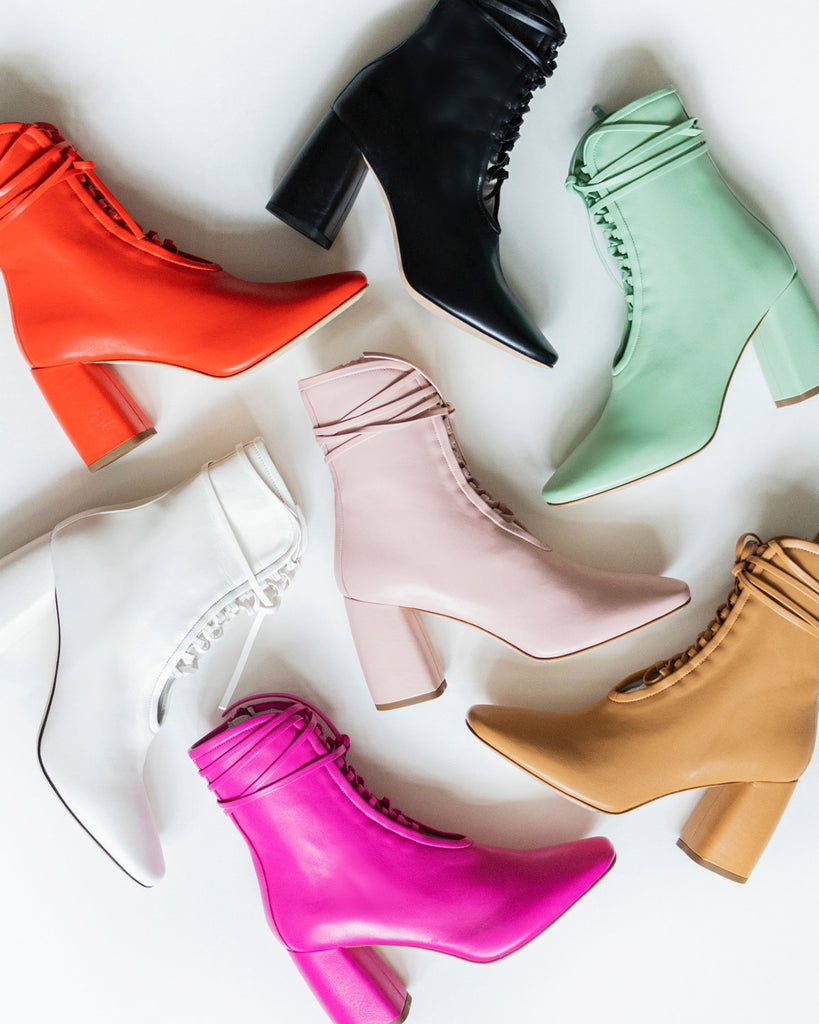


The best wedding shoes for grass are block heels, wedges, or elegant flats. A 2 to 3 inch block heel is often the smartest middle ground because it gives you height, stability, and a much better chance of getting through the ceremony, photos, and reception without sinking or wobbling.
You open the invitation, admire the calligraphy, and then see the words every stylish guest notices immediately: garden ceremony. Suddenly the outfit question becomes a physics question.
I've always believed luxury should never ask you to suffer for it. If a shoe looks beautiful but leaves you tiptoeing across a lawn like it's a hazard course, it has failed its job. Wedding shoes for grass need to do more than match a dress. They need to support you through the walk in, the standing, the photographs, and the long stretch between first champagne and last dance.
That Beautiful Invitation and One Big Question
Outdoor weddings are lovely in theory. In practice, grass changes everything.
A lawn can look perfectly polished in photographs and still behave unpredictably underfoot. One step may feel firm, the next slightly damp, the next soft from foot traffic. That's why shoe choice for a garden wedding is never just about silhouette. It's about whether the design can handle real terrain.
When brides or guests start planning a backyard or tented celebration, the ground setup matters almost as much as the dress code. If you're helping host or attending a home event, this practical tent sizing guide for BC weddings gives useful context for how outdoor layouts affect walkways, seating, and traffic across grass.
I say this as a designer who thinks obsessively about how a woman moves in a shoe. The prettiest pair in your closet may be the wrong pair for a lawn ceremony. The right pair lets you forget your feet and enjoy the day.
Practical rule: If the venue includes grass, choose for footing first and formality second. The polished look comes from confidence, not from struggling in a narrow heel.
For brides, guests, and anyone styling an event look with intention, I also love starting with a broader view of bridal shoes. The venue should shape the shoe decision. It always does, whether people admit it or not.
Why Do Your Heels Sink on Grass Anyway
The reason is simple. Narrow heels put your weight onto a very small point.
That tiny contact point presses into soft turf much more aggressively than a wider heel does. Wedding and venue guidance specifically warns against pointy shoes on grass because they're more likely to sink or catch in the surface, which makes walking less stable on uneven ground, as noted in this WeddingWire discussion about pointy shoes on grass.

What the ground is doing
Grass isn't a flat floor. It's a living surface over soil, moisture, roots, and air pockets.
Even when a lawn looks smooth, it can behave differently from step to step:
- Compacted areas feel firmer near paths or seating.
- Soft patches give way where irrigation or shade keeps the ground looser.
- Uneven zones shift your ankle slightly, even if the change looks minor.
A stiletto can manage a polished dance floor because the floor pushes back evenly. Grass doesn't.
Why heel geometry matters
When I work on a heel, I'm not only thinking about appearance. I'm thinking about balance, pitch, and contact with the ground.
A wide heel doesn't help much if the shoe throws your weight too far forward or if the stance feels precarious. Good design should feel like a well-built chair. Stable, supportive, and graceful without drama.
That's why block heels work so well for grass. Their wider contact patch lowers ground pressure and reduces the chance of sinking into soft turf. Bridal guidance consistently identifies block heels as the top choice for outdoor grass venues for exactly that reason, as explained in this piece on outdoor wedding shoes and block heel stability.
A shoe can be tall and still feel calm underfoot. The secret isn't height alone. It's how the heel, pitch, and sole work together.
What usually fails
If you want a quick mental filter, these are the pairs I'd approach with caution for grass:
- Needle-thin stilettos because they pierce the lawn instead of standing on it.
- Narrow heel tips because they wobble when the surface changes.
- Overly rigid soles because they don't adapt well to subtle unevenness.
For wedding shoes for grass, the mechanics matter as much as the styling.
The Best Silhouettes for a Flawless Outdoor Celebration
The right silhouette changes how your whole body feels at an outdoor wedding. On grass, that matters as much as the look. A shoe can be beautiful in a fitting and still feel tiring after an hour on a lawn if the heel shape, foot coverage, and internal padding are working against you.
For grass wedding venues, the silhouettes I trust most are block heels, wedges, and flats. They distribute weight more kindly and give the foot a steadier platform. Guidance also often points to a 2 to 3 inch block heel as a practical range for outdoor settings, as noted in this guide on shoes and hemlines for outdoor wedding dresses on grass.

The block heel
If you want height without that anxious, careful walk across the lawn, start here.
I design block heels for grass with two questions in mind. Where does your weight land, and how tired will your feet feel by the end of the night? The answer is never just "make the heel wider." The heel has to be shaped well, the pitch has to keep you from tipping too far forward, and the insole has to absorb pressure instead of sending it straight into the ball of the foot.
A well-made block heel gives you:
- A broader, steadier landing point on soft ground
- Better balance through the arch and forefoot when you are standing for photos or ceremonies
- Enough polish for evening wear, without the fragility of a narrow heel
That balance is why I keep returning to this silhouette. A handcrafted block heel sandal can handle grass at the ceremony, wood flooring under a tent, and dancing later without looking out of place. If you want a closer look at how I style this shape, this guide to block heel wedding shoes is a useful place to start.
The wedge
A wedge solves a different problem. It gives you more continuous contact under the foot, which many guests find reassuring on lawns and garden paths.
The trade-off is visual weight. Some wedges can look heavy or too casual for a formal dress code, so the shape has to be refined. Cleaner lines, better materials, and a slimmer profile make a big difference.
On grass, a wedge offers:
- Support across more of the sole
- Easier walking over softer patches
- A secure feel for guests who dislike traditional heels
Venue setup matters too. If the space includes temporary walkways, platforms, or synthetic turf for events, the surface may feel firmer and more predictable than a natural lawn. That can open the door to a slightly dressier wedge or a slimmer block heel.
A closer look at movement and styling can help here:
The elegant flat
Flats deserve much more respect in outdoor dressing. For long ceremonies, uneven garden venues, or guests who know they will be walking a lot, a flat can be the sharpest choice.
What matters is structure. A flat with a thoughtful last, soft leather, and proper underfoot cushioning feels very different from a thin slip-on that offers no support. I look for enough shape through the vamp to hold the foot securely and enough padding to keep pressure from building as the day goes on.
The right flat works beautifully for:
- Garden ceremonies with long standing periods
- Guests who want zero distraction from foot pain
- Dresses that already bring plenty of drama
A pointed toe, a graceful strap, or delicate embellishment keeps the look polished. If you know you will cross lawns, gravel edges, or a damp aisle, a chic flat can be the most elegant answer in the room.
Daniella Shevel includes event-ready silhouettes made with comfort-focused construction and handcrafted production in Italy and Portugal. For grass, the value is practical. Balanced proportions, considered padding, and materials that soften beautifully over time.
Look Beyond the Heel Materials and Traction Matter
Most advice about wedding shoes for grass stops at heel shape. That's only half the decision.
Independent guidance notes that even a small amount of rain can make grass slippery and recommends rubber soles for better traction, which is why surface conditions matter as much as silhouette in this grass wedding shoe guide focused on rain and traction.

The outsole decides more than people think
A stable heel can still feel risky if the sole is too smooth.
That's especially true when:
- The ceremony lawn was watered earlier
- Morning moisture hasn't fully lifted
- The aisle gets polished flat by heavy foot traffic
When I visit our makers and review prototypes, I pay close attention to what touches the ground. The upper may be beautiful, but the outsole is what negotiates with the venue.
Why upper materials still matter
Outdoor weddings can be long. Heat, humidity, and standing all change how a shoe feels.
That's where material choice earns its place:
- Supple Italian leather molds more naturally to the foot over time.
- Breathable mesh can feel lighter for warm-weather events.
- Thoughtful lining and padding help reduce the fatigue that builds as the day goes on.
I'm a great believer in handcrafted shoes that soften into your movement rather than fight it. That's one reason I'm drawn to Italian and Portuguese craftsmanship. When the materials are chosen well and assembled with care, the shoe doesn't just look refined. It behaves better.
For brides considering a slightly more elevated look with outdoor practicality, this guide to platform bridal sandals for outdoor weddings offers another useful lens on support and balance.
A grass-friendly shoe isn't only about not sinking. It's about not slipping, not pinching, and not feeling finished halfway through the event.
Preparing Your Shoes for All-Day Comfort
The right pair still needs preparation. That isn't a sign the shoe is wrong. It's part of wearing it beautifully.
I always tell women that comfort begins before the event. A well-made shoe should start to adapt to your foot, but you still want a short break-in period, especially if the wedding includes walking, standing, and dancing across multiple surfaces.
What to do before the wedding

A few smart habits make a noticeable difference:
- Wear them at home for short stretches so the shoe begins to shape to your foot.
- Test them on a similar surface if possible, especially if the venue is a garden or lawn.
- Check the sole grip before the event, not in the parking lot on the way in.
- Protect the upper if the forecast looks uncertain.
Heel protectors and honest expectations
Heel protectors can help in some situations. If heels are essential, they may reduce how aggressively the heel digs in.
But they're not magic. On very soft or wet ground, they can still feel awkward or unreliable. I'd rather see a woman start with the correct silhouette than depend entirely on an accessory fix.
This is also where cushioning matters. I design with the belief that a beautiful event shoe should support the full arc of the day. Memory foam, layered thoughtfully, helps absorb some of the fatigue that comes from hours on your feet.
Fit is part of comfort, not a separate issue
A shoe that's technically stable can still become unbearable if the fit is off.
Before the wedding:
- Try them later in the day when your feet feel more realistic.
- Walk, pause, and turn instead of only standing in front of a mirror.
- Notice toe pressure early because outdoor events rarely get easier as the hours pass.
If you want more practical fit advice before the event, this guide on how to wear heels comfortably is worth reading.
Your Wedding Guest Emergency Kit and Final Touches
Even with the right shoes, I like a small insurance policy. Not because the shoe should fail, but because polished women prepare well.
A simple outdoor wedding kit can include:
- Blister bandages for peace of mind
- A soft cloth for quick cleanup after lawn photos
- Fashion tape if hem movement becomes fussy
- A compact pouch so everything stays elegant, not chaotic
Finishing the look
Hemline matters more on grass than often expected.
A slightly lifted hem or a dress that doesn't drag gives your shoes room to do their job. It also lets the silhouette read more intentionally in photographs. If the couple wants every candid from the lawn and dance floor, a tool like Collect wedding photos from guests can help gather all of those moments in one place, including the ones that catch your shoes doing their quiet work.
The final filter
If you're still deciding, use this test:
- Will it stand steadily on grass
- Will it stay secure if the lawn is uneven
- Will it still feel good hours later
For grass weddings, block heels remain the most mechanically stable heel geometry because their wider contact patch lowers ground pressure and reduces the chance of sinking into soft turf. That's why bridal guidance repeatedly places them at the top for outdoor lawns, as covered in the earlier discussion of block heel stability.
And if the celebration runs late and you want a graceful backup for dancing, travel, or the after-party, I also like the idea of keeping inspiration from luxury reception sneakers for brides in mind.
The goal isn't to survive the day. It's to enjoy it, beautifully.
If you're shopping for a pair that can carry you through ceremony grass, cocktails, and the dance floor without asking for a backup bag, explore the curated collections at Daniella Shevel. Start with the bridal and event styles that balance craftsmanship, comfort-first design, and the kind of elegance you'll want to wear again.